Dr. Nguyen Trong Thuy, former chief physician for Vietnam’s national and U23 men’s football teams, said many people mistakenly assume that thoroughly cooked food is always safe to eat.
However, when food has spoiled or deteriorated, ordinary cooking temperatures may not completely destroy toxins that have already developed. Consuming such food can cause serious poisoning and potentially damage the liver, kidneys and other organs.
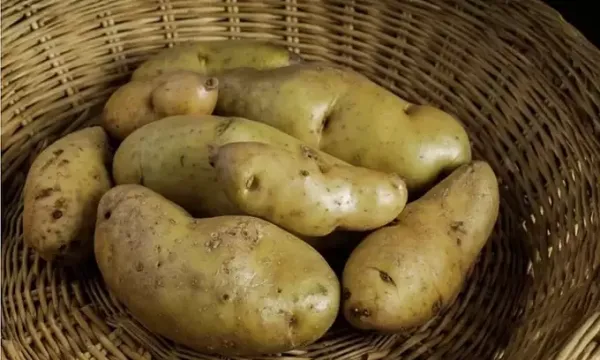
Sprouted or green potatoes
Potatoes can sprout or develop green skin when stored improperly. These changes are associated with increased levels of glycoalkaloids, particularly solanine and chaconine.
|
Potatoes that have sprouted or developed green skin are unsafe to eat. Illustration photo by the doctor |
These toxic compounds are relatively resistant to heat, meaning that boiling, steaming, frying or stir-frying may not fully remove them, especially when they are present in high concentrations.
Eating potatoes containing excessive solanine can cause nausea, vomiting, abdominal pain and diarrhea. Severe poisoning may also lead to headaches, dizziness, confusion and other neurological symptoms requiring urgent medical treatment.
Removing the sprouts or peeling away the green skin may not make the potatoes safe because the toxins could already have spread into the flesh. Potatoes that have sprouted heavily or turned noticeably green should therefore be thrown away.
To prevent potatoes from sprouting or greening, keep them in a cool, dry and well-ventilated place away from light. They should not be exposed to direct sunlight or stored together with onions, which can cause them to spoil and sprout more quickly.
Moldy dried wood ear or snow fungus
Dried wood ear and snow fungus, also known as tremella, can easily develop mold when exposed to moisture.
Not all mold produces bongkrekic acid, a dangerous toxin created by certain bacteria under specific conditions and commonly linked to improperly fermented or soaked foods.
Nevertheless, moldy wood ear or snow fungus should never be eaten because it may contain other microbial toxins that cooking cannot completely destroy.
Food should be discarded in full if it develops mold, a sour or rancid smell, a slimy texture or unusual discoloration. Cutting away the spoiled portions and eating the remainder is not considered safe.
After opening, dried fungi should be stored in airtight bags or containers. Food-grade desiccant packets may also help keep them dry. They should be kept in a cool, dry, ventilated area away from sunlight or refrigerated in hot and humid weather, provided the container is tightly sealed.
People should use clean, dry hands or utensils when handling dried fungi. Only enough for one meal should be soaked, and the fungi should be cooked soon after they expand.
Leaving wood ear or snow fungus soaking at room temperature for extended periods, particularly in hot weather, can encourage microbial growth and increase the risk of food poisoning.
-
Libra Ten of Pentacles: Today emphasises maintaining proper discussions with important people and close ones

-
Aquarius Tarot Horoscope Today, July 25, 2026: Will increase understanding of policies and rules, management will remain better

-
Gemini Two of Swords Today, July 25, 2026: Family will offer support, position and influence will remain average

-
Cancer Nine of Cups

-
Sawan 2026: Bring These: Bring these auspicious things home before the start of Sawan