How to detect Vitamin D deficiency in the body?
Whenever this question bothers people, they often think of getting tested. But it is not necessary to get tested every time. Your body itself starts giving signals of this deficiency. Vitamin D impacts immunity, muscle strength, mood, mental health and hormonal balance. Therefore, changes in the body can warn you in advance.
Vitamin D deficiency in India
Vitamin D deficiency is seen in many people in India. There can be many reasons behind this, like staying indoors for a long time, excessive use of sunscreen, pollution, dark skin and lack of Vitamin D in the diet. Let us discuss some signs that indicate this deficiency.
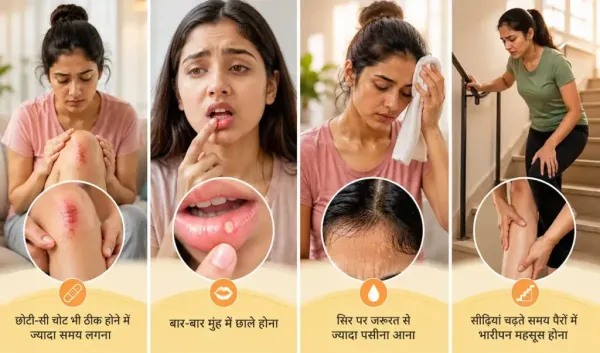
minor injuries take time to heal
If small scratches or common wounds are taking longer to heal, it may be a sign of vitamin D deficiency. Vitamin D helps form new skin and heal wounds. Due to its deficiency, wounds heal slowly.
frequent mouth ulcers
Frequent mouth ulcers for no apparent reason may also be associated with vitamin D deficiency. It helps in strengthening bones and keeping the immune system balanced. Its deficiency can increase swelling in the inner layer of the mouth, which increases the possibility of ulcers.
excessive sweating on head
If your head sweats frequently without any exertion or heat, it could be a sign of Vitamin D deficiency. It can affect the mechanisms that regulate body temperature and the function of the nervous system.
Heaviness in legs while climbing stairs
If at an early age one feels heaviness or weakness in the legs even after climbing a little, it could be a result of Vitamin D deficiency. Vitamin D is important in maintaining muscle strength. Its deficiency can weaken the muscles of the thighs and legs, making it difficult to climb stairs or get up from a chair.
-
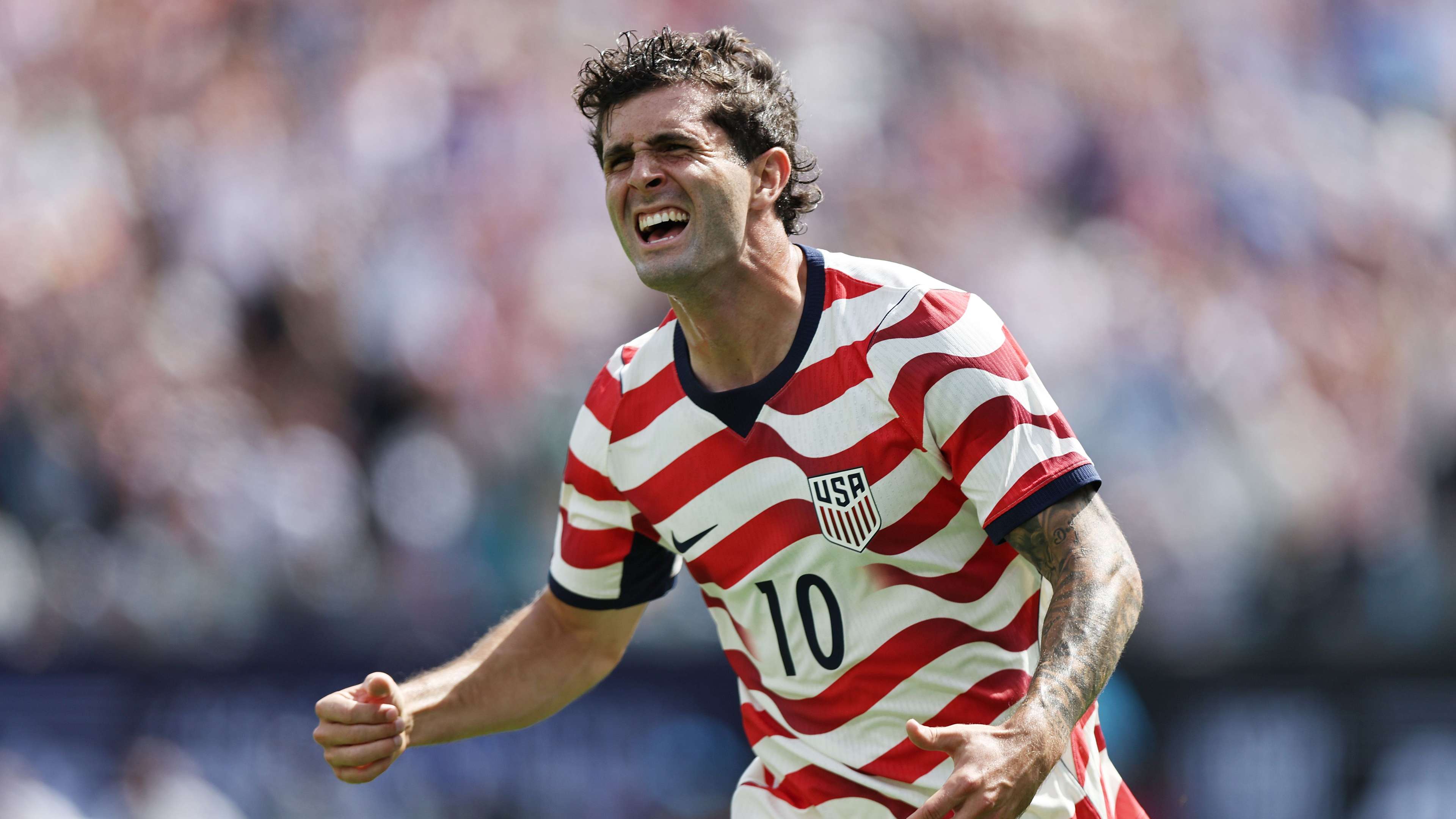
‘Nightmare’ Christian Pulisic could be ideal Mohamed Salah replacement for Liverpool as former USMNT star explains why he struggled in Premier League at Chelsea
-
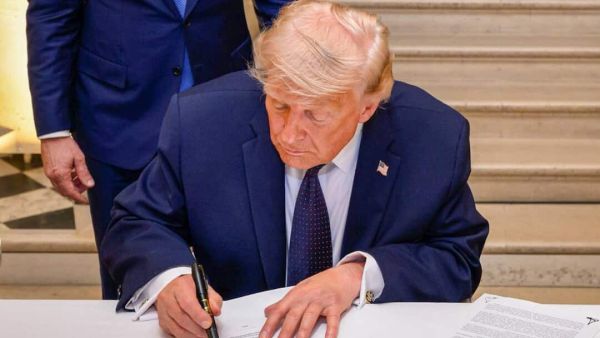
US Court Rejects Trump Administration's Bid To Reinstate $100,000 H-1B Visa Fee
-
New Generation Asks Questions: RSS Chief Mohan Bhagwat Amid CJP Protest
-
'Pradhan Must Be Sacked, Modi Must Apologise': Rahul Reiterates Students' 3 Demands Over NEET Protest Crackdown
-
Vizhinjam seaport gets final Customs clearance for EXIM operations