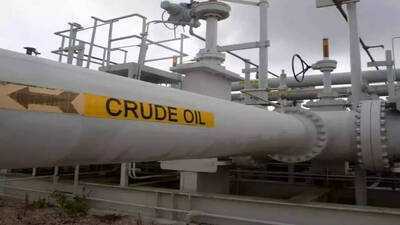
On Thursday, global oil prices surpassed the $100 per barrel mark, breaching a significant psychological barrier. This surge is attributed to escalating tensions involving Iran, the United States, and the strategic Strait of Hormuz, raising concerns about potential disruptions to global energy supplies. Benchmark crude contracts experienced a notable increase during trading hours as military and political developments heightened fears regarding the stability of this crucial oil transit point.
The rise in prices is linked to renewed threats of military action in the Middle East, with warnings that assaults on shipping routes in the Strait of Hormuz and the Red Sea may escalate.
Factors Behind the Price Increase
Traders are increasingly wary of the potential impact of ongoing conflicts on crude oil flows from the Gulf, where a substantial portion of the world’s oil exports transit through the Strait of Hormuz daily. Recent incidents involving attacks on commercial vessels, missile strikes, and drone assaults in the region have led to a more cautious stance in energy markets. Analysts suggest that the market is now factoring in a greater likelihood of supply disruptions rather than merely responding to daily military news.
Market Anxiety Heightened by Political Statements
The rise in oil prices was further fueled by comments from President Donald Trump, who indicated he was nearing a decision on a new, potentially significant military operation against Iran. Although no final decision has been made, traders interpreted his remarks as a sign that the conflict could escalate. Trump has also stated that Iran would be held accountable for attacks by Iran-aligned Houthi forces on vessels in the Red Sea, adding to the uncertainty surrounding global shipping routes.
Importance of the Strait of Hormuz
The Strait of Hormuz is considered the most vital oil transit corridor globally, and any disruption in this area can significantly affect global energy prices. Shipping companies have reported heightened security risks, prompting some operators to reconsider their routes through the Gulf as insurance costs rise. Market participants are particularly worried that a prolonged military conflict could temporarily hinder tanker traffic or compel vessels to avoid the region entirely.
Economic Consequences of Rising Oil Prices
A sustained increase above $100 per barrel could have profound implications for the global economy. Higher crude prices typically lead to:
- Increased fuel costs for consumers.
- Higher airline and transportation expenses.
- Rising manufacturing and logistics costs.
- Broader inflationary pressures.
Central banks, which have been closely monitoring energy prices, may face renewed challenges if oil prices remain elevated for an extended period.
Market Reactions and Future Outlook
The sharp rise in crude prices has been accompanied by gains in energy and defense-related stocks, with investors also turning to traditional safe-haven assets. Companies involved in oil production, refining, and military equipment manufacturing have shown strong performance in market trading. The next significant factor influencing oil markets will likely be whether the current military standoff remains contained or escalates into a broader regional conflict involving additional Gulf infrastructure or shipping assets.
Analysts predict that prices may continue to be volatile as traders respond to:
- Any new military decisions from the US regarding Iran.
- Iran's reactions in the Gulf.
- Developments related to Houthi attacks on shipping.
- Potential diplomatic efforts aimed at restoring a ceasefire.
Currently, the resurgence of oil prices above $100 per barrel highlights how swiftly geopolitical risks can overshadow typical supply-and-demand dynamics and underscores the close ties between global energy markets and events in the Middle East.
-
'You Awakened Nation's Conscience': Dipke Reacts After Wangchuk Ends 26-Day Fast | WATCH

-
Severe Wildfires Force Evacuations Across Southern Europe Amid Record Heat

-
Investigation Launched into Vice President JD Vance's Security Detail

-
Exciting Heist Drama: The Great Punjab Robbery Trailer Unveiled

-
'Jana Nayagan' box office collections day 1: Thalapathy Vijay's farewell film opens strong; earns Rs 41 Cr India Net