When Do Periods Return After Delivery? What New Mothers Should Expect
Pregatips | July 23, 2026 5:39 PM CST
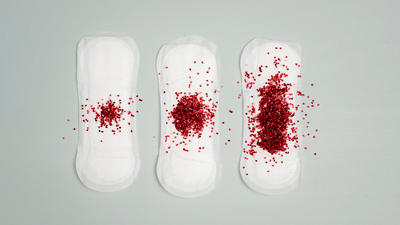
Periods after delivery typically return within six to eight weeks for women who are not breastfeeding. For those who exclusively breastfeed, menstruation is often delayed for six months or longer, and in some cases, until weaning. This is driven by raised prolactin levels, the hormone responsible for milk production, which suppresses ovulation. The timing varies from woman to woman, so if your period has not returned yet or came back earlier than you expected, both are within the normal range.
What Is the Difference Between Lochia and a Period After Delivery?Before your period can return, your body goes through a phase of postnatal bleeding called lochia.
Lochia is made up of blood, mucus, and uterine tissue. It usually starts bright red, similar to a heavy period, and gradually fades to pink or brown before tapering off. It typically lasts four to six weeks.
The key difference is that lochia can last several weeks, while a period usually lasts just a few days. A period only begins once your body has ovulated again. If you are still within the first six weeks after delivery, any bleeding you see is almost certainly lochia, not menstruation.
When Do Periods Return If You Are Not Breastfeeding?Your first period can come anytime betweensix and twelve weeks after delivery.
Without the hormonal effects of nursing, your body resumes ovulation earlier. Ovulation happens before the period appears, which means you can become pregnant again before your cycle even returns. If you do not want to conceive immediately, discuss contraception with your doctor at your postnatal check-up, which is usually scheduled around six weeks after delivery.
How Long Can Breastfeeding Delay Your Period?Breastfeeding delays menstruation through a process called lactational amenorrhoea. When you nurse frequently, your body produces high levels of prolactin, the hormone responsible for milk production. Breastfeeding delays the resumption of normal ovarian cycles by disrupting the pulsatile release of gonadotrophin-releasing hormone (GnRH) from the hypothalamus, which in turn suppresses ovulation.
Around one in five breastfeeding mothers gets her period within six months of giving birth. If you are breastfeeding, your menstrual cycle will typically return within 1 to 2 months after you stop nursing or significantly reduce your feeding frequency.
According to NFHS-5 data, 63.7% of Indian mothers exclusively breastfed their infants during the first six months. Given that exclusive breastfeeding is the single biggest factor in delaying menstruation, a large proportion of Indian mothers can expect their period to remain absent well into the second half of the baby's first year.
A community-based study found the median duration of postnatal amenorrhoea among Indian women was 5.7 months, with longer breastfeeding duration significantly associated with a delayed return of menstruation.
What Will Your First Period After Delivery Be Like?Your first postnatal period may look and feel different from periods you had before pregnancy. This is common and usually settles within a few cycles.

Your first postpartum period may be heavier than before, with stronger cramps, irregular cycles, small clots, or spotting between cycles. Over time, your period should settle into a more predictable rhythm.
If your cycle was irregular before pregnancy, it may take a few months to settle into a regular pattern again.
When Should You See a Doctor?Most changes in your first postnatal period are normal. However, some signs require prompt medical attention.
See your doctor if you experience:
If your period has not returned three months after stopping breastfeeding, or if bleeding is unusually heavy or painful, speak to your gynaecologist.
Whether you’re pregnant, a new mom, or navigating postpartum, you don’t have to do it alone. Join our support group to connect, share, and support one another.
FAQs on When Do Periods Return After Delivery?Does the type of delivery affect when periods return?
A vaginal birth or a caesarean does not influence the timing of the first period after birth. The timing of your period's return is determined by the same hormonal factors, primarily whether you are breastfeeding and the frequency of breastfeeding.
Is it normal for periods to be irregular for several months after delivery?
Yes. Irregular cycles are common after birth and can include changes in cycle length, flow, and timing. Some variation in your cycle is normal as hormones naturally stabilise after pregnancy. If irregularity continues beyond six months after your period returns, speak to a gynaecologist.
Can I get pregnant before my period returns after delivery?
Yes. Ovulation happens before menstruation, so you can conceive even before your first postnatal period arrives. Do not assume that the absence of a period means you cannot get pregnant.
What Is the Difference Between Lochia and a Period After Delivery?Before your period can return, your body goes through a phase of postnatal bleeding called lochia.
Lochia is made up of blood, mucus, and uterine tissue. It usually starts bright red, similar to a heavy period, and gradually fades to pink or brown before tapering off. It typically lasts four to six weeks.
The key difference is that lochia can last several weeks, while a period usually lasts just a few days. A period only begins once your body has ovulated again. If you are still within the first six weeks after delivery, any bleeding you see is almost certainly lochia, not menstruation.
When Do Periods Return If You Are Not Breastfeeding?Your first period can come anytime betweensix and twelve weeks after delivery.
Without the hormonal effects of nursing, your body resumes ovulation earlier. Ovulation happens before the period appears, which means you can become pregnant again before your cycle even returns. If you do not want to conceive immediately, discuss contraception with your doctor at your postnatal check-up, which is usually scheduled around six weeks after delivery.
How Long Can Breastfeeding Delay Your Period?Breastfeeding delays menstruation through a process called lactational amenorrhoea. When you nurse frequently, your body produces high levels of prolactin, the hormone responsible for milk production. Breastfeeding delays the resumption of normal ovarian cycles by disrupting the pulsatile release of gonadotrophin-releasing hormone (GnRH) from the hypothalamus, which in turn suppresses ovulation.
Around one in five breastfeeding mothers gets her period within six months of giving birth. If you are breastfeeding, your menstrual cycle will typically return within 1 to 2 months after you stop nursing or significantly reduce your feeding frequency.
According to NFHS-5 data, 63.7% of Indian mothers exclusively breastfed their infants during the first six months. Given that exclusive breastfeeding is the single biggest factor in delaying menstruation, a large proportion of Indian mothers can expect their period to remain absent well into the second half of the baby's first year.
A community-based study found the median duration of postnatal amenorrhoea among Indian women was 5.7 months, with longer breastfeeding duration significantly associated with a delayed return of menstruation.
What Will Your First Period After Delivery Be Like?Your first postnatal period may look and feel different from periods you had before pregnancy. This is common and usually settles within a few cycles.
Your first postpartum period may be heavier than before, with stronger cramps, irregular cycles, small clots, or spotting between cycles. Over time, your period should settle into a more predictable rhythm.
If your cycle was irregular before pregnancy, it may take a few months to settle into a regular pattern again.
When Should You See a Doctor?Most changes in your first postnatal period are normal. However, some signs require prompt medical attention.
See your doctor if you experience:
- Bleeding that soaks through a pad in less than one hour
- Blood clots larger than a small coin that persist for several days (this could be a sign of a thyroid problem, infection, fibroids, or polyps)
- Bleeding that persists beyond six weeks or suddenly becomes heavier after it had lightened
- No period for three months after stopping breastfeeding
- Foul-smelling discharge alongside any bleeding
If your period has not returned three months after stopping breastfeeding, or if bleeding is unusually heavy or painful, speak to your gynaecologist.
Whether you’re pregnant, a new mom, or navigating postpartum, you don’t have to do it alone. Join our support group to connect, share, and support one another.
FAQs on When Do Periods Return After Delivery?
A vaginal birth or a caesarean does not influence the timing of the first period after birth. The timing of your period's return is determined by the same hormonal factors, primarily whether you are breastfeeding and the frequency of breastfeeding.
Yes. Irregular cycles are common after birth and can include changes in cycle length, flow, and timing. Some variation in your cycle is normal as hormones naturally stabilise after pregnancy. If irregularity continues beyond six months after your period returns, speak to a gynaecologist.
Yes. Ovulation happens before menstruation, so you can conceive even before your first postnatal period arrives. Do not assume that the absence of a period means you cannot get pregnant.
READ NEXT
-
OFSS Bihar Admission: Major decision by BSEB following CBSE Class 10 results; application window for Class 11 admission to reopen..

-
Mayank, Prince Wreak Havoc As India Restrict Zimbabwe To 125/7 In 1st T20I

-
WATCH: Vaibhav Sooryavanshi Storm Arrives In Zimbabwe! Teen Star Smashes Maiden India Fifty
-
'Students Are Not Alone': Rahul Gandhi, INDIA Bloc Leaders March To Gandhi Smriti

-
Passports Of CJP Protesters Involved In Violence May Be Cancelled: Reports