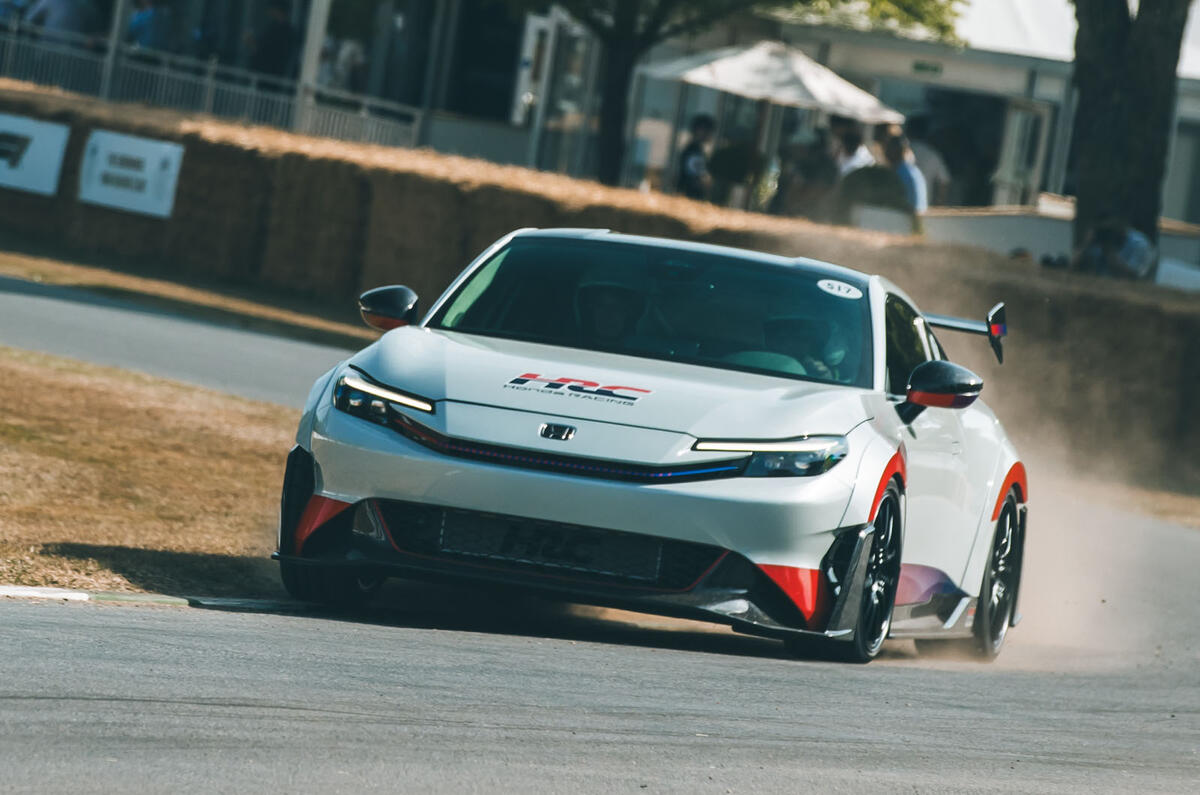
Honda is planning to revitalise its presence in the European market by introducing distinctive and characterful vehicles that “strike the perfect balance” for customers while highlighting the brand’s engineering excellence.
The Japanese automaker sold just 72,000 cars across Europe last year, a steep fall from its 2007 peak of 313,000 units. This figure now places Honda roughly on par with luxury compatriot brand Lexus in the region.
Competitors Mazda and Suzuki have each recorded more than twice that number of sales over the same period, while Nissan, despite facing its own struggles, managed nearly 300,000 units, and Toyota approached 900,000.
Honda’s European president, Hans De Jaeger, acknowledged in an interview that the company is “not a big player” in Europe. However, he outlined a long-term strategy to grow sales in a “sustainable and healthy way” by developing products that are more finely tuned to regional customer preferences and stand out through their uniqueness and ability to “bring a smile” to drivers’ faces.
Speaking at the Goodwood Festival of Speed, De Jaeger introduced the Prelude HRC concept — a performance-focused reinterpretation of Honda’s new hybrid sports coupé, developed with input from its motorsport division.
Although he stopped short of confirming production plans for the high-performance model, De Jaeger described it as a symbol of Honda’s renewed commitment to its heritage as a brand that “embodies engineering dreams and delivers products that exceed customer expectations.”
Instead of aiming to “double or triple” its European footprint, Honda intends to gradually expand its market share across the EU, the UK, and Turkey, which together account for around 100,000 annual sales. De Jaeger emphasised that “the most important aspect” of this approach is to “launch products that truly connect with our customers.”
He added that both the HRC concept and the standard Prelude demonstrate Honda’s dedication to offering such vehicles. De Jaeger also referenced the upcoming Super-N city car as another example of how Honda plans to challenge industry norms and re-establish a distinctive identity in Europe.
According to De Jaeger, early feedback on the compact electric Super-N has been “very, very positive” because it captures “the same quirky joy” that defined classic Honda models such as the 1980s City Turbo II, which served as its inspiration.
“It’s a car that makes you smile when you drive it, yet it’s also very practical. That’s exactly the kind of product we want to bring to the market — something a little bit different,” he explained.
De Jaeger noted that Honda’s smaller scale in Europe could actually be an advantage, saying, “We are lucky that we’re not as large as some of our rivals. Competing in the mainstream segment is extremely tough, as many manufacturers have discovered.”
He clarified that Honda has no intentions of exiting the competitive C-segment, where it currently offers the Civic hatchback along with the CR-V and HR-V crossovers. “Our focus is on highlighting the unique selling points of our products and clearly communicating those to our customers,” he said.
This focus, he added, is crucial as new entrants rapidly capture market share across Europe, often at the expense of established legacy brands. “We must acknowledge that Chinese competition is intense. We need to adapt while ensuring we deliver what our customers truly desire,” De Jaeger remarked.
He pointed out that Honda already enjoys a “very high” customer retention rate, and the Super-N will serve as a key model to attract new buyers, particularly younger ones, and introduce them to what the brand stands for.
De Jaeger also highlighted Honda’s diversified global portfolio, describing it as “a little atypical.” Beyond automobiles, Honda manufactures motorcycles, power tools, garden equipment, marine engines, and more. This broad business base provides opportunities to cross-promote products, as he explained: “We can explore how to bring customers from one area, like motorcycles or marine, into the automobile side — and vice versa.”
Honda’s European car division is relatively small compared to its dominant motorcycle operations, which hold a 21% market share and sell around 450,000 units annually across the continent. “In terms of customer reach, we operate a very different kind of business,” De Jaeger observed.
He added that while Honda doesn’t necessarily expect CBR 1000 RR Fireblade owners to transition into CR-Vs, “there is definitely an opportunity to further strengthen our brand image within the car market.”
“Our brand perception is already very strong in motorcycles, and even stronger in marine and power products,” he said. “But with cars, our goal is to help people better understand what Honda represents.”
When asked if Honda’s renewed focus on distinctive models aligns with Toyota chairman Akio Toyoda’s “no more boring cars” philosophy, De Jaeger responded: “Yes. For a smaller automaker like us, competing in the mainstream is extremely challenging. We must focus on areas where we can establish our presence and appeal to customers who see the added value that Honda provides.”
-
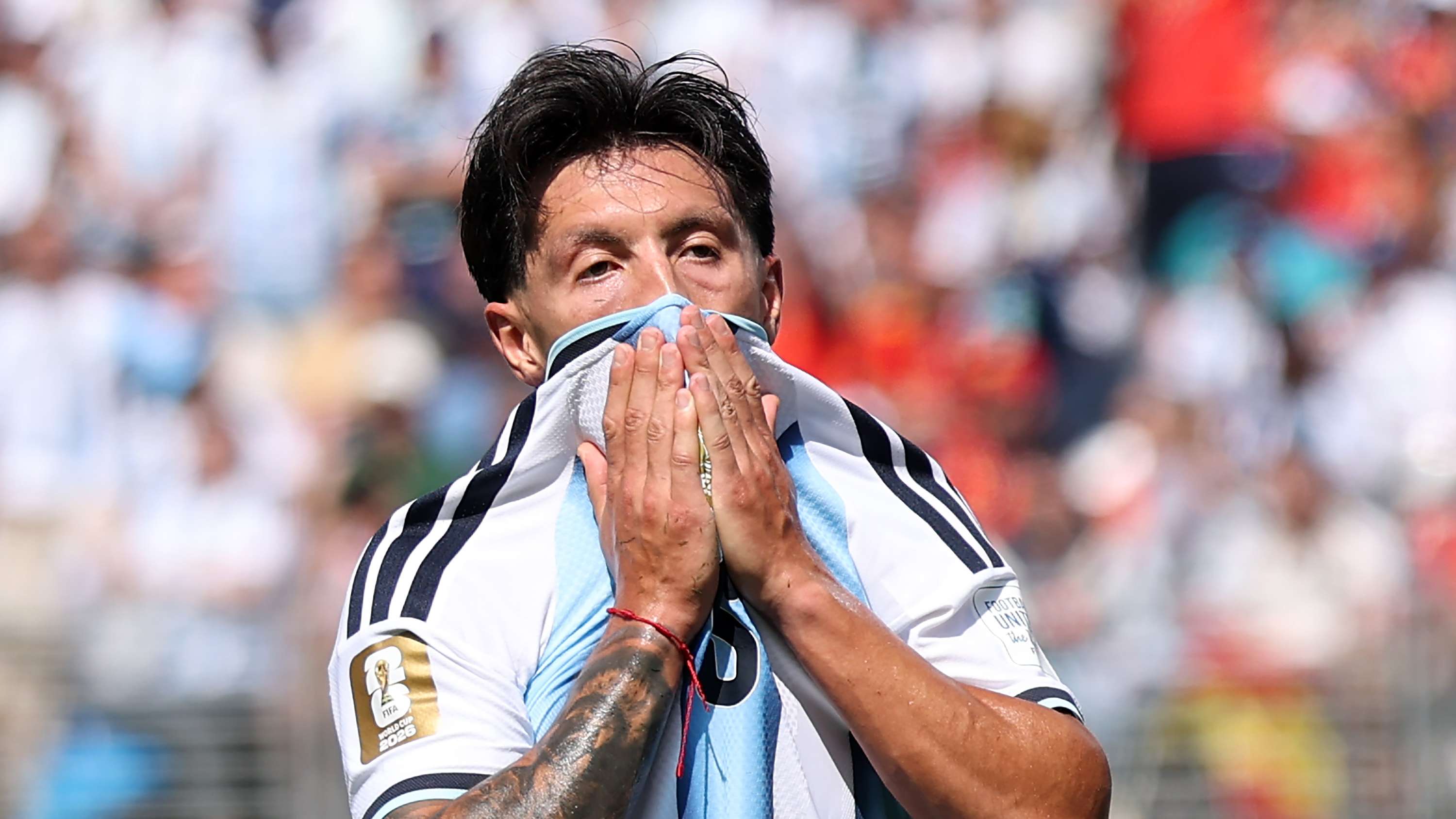
‘The fall of the great brings comfort to the ordinary’ – Lisandro Martinez shares heartfelt message to Argentina supporters after World Cup final loss
-
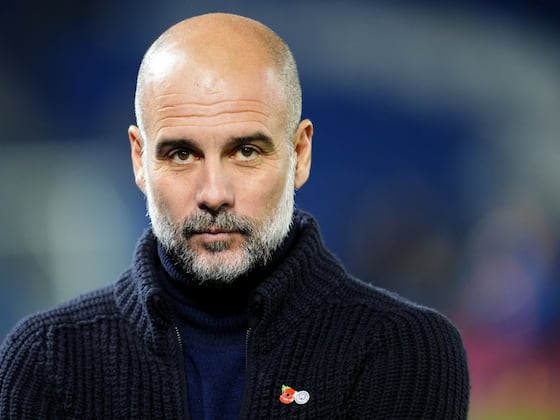
Italy FA President Confirms Talks with Pep Guardiola Over National Team Coaching Role
-
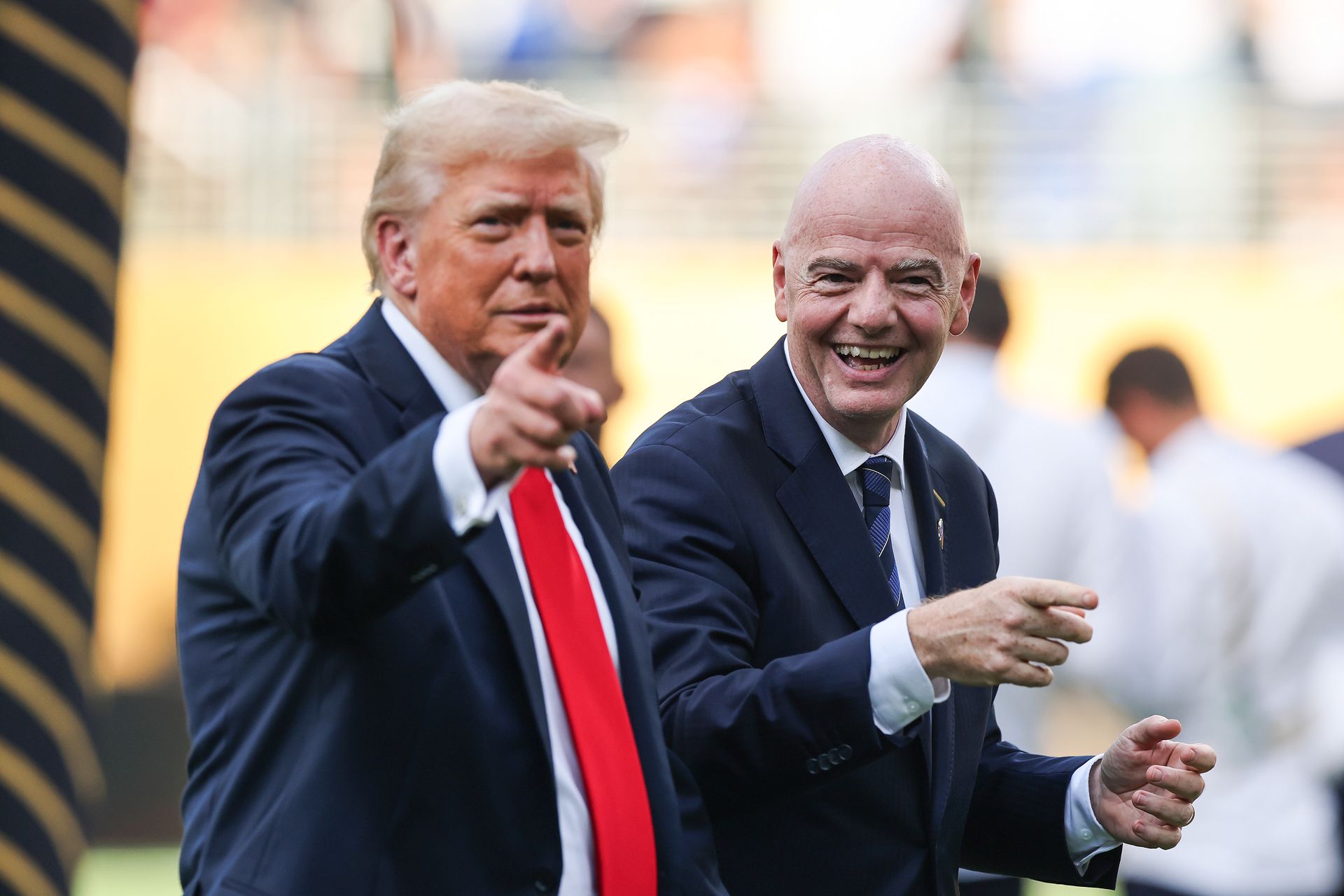
Donald Trump Reportedly Endorses FIFA Chief Gianni Infantino for Top UN Post
-
Rains submerge key bridges in Thane district; traffic diverted

-
Heartbroken yet filled with hope: Alia Bhatt on student protests