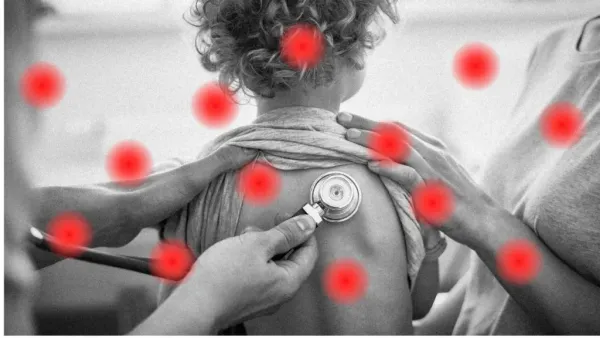
How To Prevent Measles: Measles is an infection that spreads through the air and can be extremely dangerous for both children and adults. This remains a problem globally. Early diagnosis, prompt treatment and strong prevention are of utmost importance to deal with measles.
How does measles spread?
Measles virus is highly contagious. This infection spreads when coughing or sneezing, due to which small droplets spread in the air. Typically, symptoms begin to appear one or two weeks after infection. First, there is high fever and then difficulty in breathing and changes in the skin start happening in a certain sequence. First there is fever, respiratory symptoms and conjunctivitis, after which a rash appears on the face and entire body.
due to measles
- The infection is also spread through droplets after coughing or sneezing, by direct contact with nasal or throat secretions and, in rare cases, through contaminated objects.
- Young children who have not been vaccinated, those with weakened immune systems and travelers who are not allowed to be vaccinated are most vulnerable.
- The lack of two-dose vaccination is a major reason for both endemic and import- cases.
- Diseases often spread in communities where vaccination rates are low.
- These include poor access to healthcare and declining regional vaccination rates.
symptoms of measles
Usually, symptoms of measles infection appear after 7 to 14 days and develop in a certain sequence. Measles begins with a high fever, often exceeding 104°F and accompanied by symptoms such as cough, runny nose, and red watery eyes. Distinctive Koplik spots then appear and the rash later spreads over the skin.
-
early stages
High fever, cough, runny nose and conjunctivitis.
-
Koplik spots
Small white spots appear inside the mouth two to three days after symptoms begin.
-
appearance of rash
After 3-5 days, red, mottled rashes appear, which start from the hair roots and face and spread downwards to the trunk and arms and legs. Fever also increases with rashes. Along with this, there may also be pain in the entire body.
-
loss of appetite
Some patients may experience loss of appetite, weakness, or swollen lymph nodes. After the rash appears, the immune system may weaken, increasing the risk of other infections.
what to do in measles
- Drink enough fluids like water, coconut water, lemonade, soup and ORS, so that there is no dehydration in the body.
- Eat soft and easily digestible food, like porridge, khichdi, dal, curd, soup and well-cooked vegetables.
- Include foods rich in Vitamin A and Vitamin C like carrots, spinach, sweet potatoes, oranges, sweet potatoes and papaya in your diet.
- Get plenty of rest and give your body time to fight the infection.
- Take medicine for fever and other symptoms as per doctor’s advice. Doctors can also give vitamin A supplements to children if needed.
- Keep the room clean and ventilated and allow the patient to take adequate rest.
What not to do in measles
- Avoid eating fried, spicy and processed foods, as these can increase digestive problems.
- Do not consume cold drinks, overly sweet drinks and caffeinated drinks.
- Don’t ignore dehydration. In case of vomiting, diarrhea or high fever, fluid intake should be increased immediately and if necessary, contact a doctor.
- Do not take antibiotics or other medicines without doctor’s advice. Measles is a viral infection and antibiotics are only given if there is a bacterial infection.
- Do not let the sick person come in contact with crowds or other people, because measles is a highly contagious disease.
- Do not give aspirin to children, as it can cause serious complications.