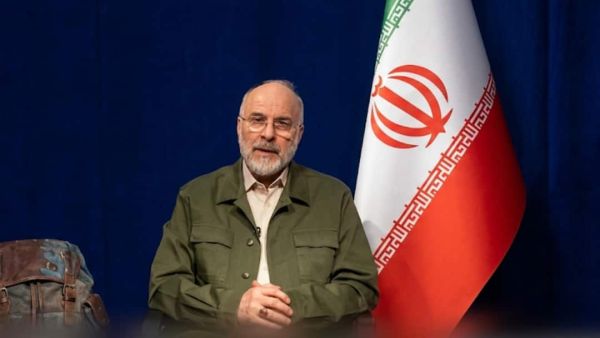
Iran's Parliament Speaker and chief negotiator, Mohammad Bagher Ghalibaf, has declared that Tehran will not allow the Strait of Hormuz to return to its pre-war status, signalling that the strategically vital waterway will remain a key point of contention with the United States. His remarks came as tensions between Washington and Tehran escalated further, with US President Donald Trump warning of military retaliation against Iranian infrastructure if ships transiting the strait come under attack.
Ghalibaf Says Strait's Security Hinges On US Withdrawal
In a post on X, Ghalibaf said the regional confrontation had reached what he described as an "all or none equation," arguing that the future security of the Strait of Hormuz depends on the departure of American forces from the region.
"In a region where we do not sell oil, no one will sell oil. If our security is not ensured, no infrastructure will be safe, and the security of the strait is in the absence of American forces. We have repeatedly said that the situation of the strait will not return to pre-war conditions," he wrote.
معادلهٔ این جنگ مشخص است: یا همه یا هیچکس!
— محمدباقر قالیباف | MB Ghalibaf (@mb_ghalibaf) July 22, 2026
در منطقهای که ما نفت نفروشیم، کسی نفت نخواهد فروخت. اگر امنیت ما تأمین نشود، هیچ زیرساختی ایمن نخواهد بود و امنیت تنگه در نبود نیروهای آمریکایی است. بارها گفتهایم که وضعیت تنگه به قبل از جنگ باز نمیگردد.
The statement also underscored Iran's position that if its crude oil exports are prevented, it would not permit other Gulf nations to continue exporting oil through the strategic waterway.
Trump Threatens Strikes On Iranian Infrastructure
Ghalibaf's comments followed a fresh warning from Trump, who said the United States would target Iranian infrastructure if Tehran attacked commercial shipping in the Strait of Hormuz.
"From this point forward, any time the Islamic Republic of Iran shoots at a ship in the Strait of Hormuz, whether it be by Missile, Rocket, Drone, or any other device or weapon, the United States will bomb and destroy ONE BRIDGE OR POWER PLANT, including those located next to, or in, the Capital City of Tehran," Trump wrote in a post on his Truth Social platform.
Trump repeated the warning on Wednesday, saying that any Iranian attack on vessels using missiles, rockets, drones or other weapons would prompt US strikes on bridges, power plants and other infrastructure. He added that potential targets could include facilities "next to, or in, the capital city of Tehran."
Strait oOf Hormuz Remains Centre Of Escalating Conflict
The latest exchange comes after nearly two weeks of escalating military action between the United States and Iran following the collapse of a temporary ceasefire linked to disagreements over the Strait of Hormuz.
Since then, US forces have carried out multiple strikes inside Iranian territory, while Iran has responded by targeting American military installations across the Gulf.
The Strait of Hormuz, through which a significant share of the world's oil supply passes, remains at the heart of the dispute. Iran maintains that recent understandings give it a greater role in determining how the waterway is managed.
Meanwhile, Iranian state television reported that American missile strikes hit locations near the western cities of Ahvaz, Ramshir and Andimeshk. State media also said two people were killed in a US missile strike on the border town of Shalamcheh early on Thursday.
-
Al Hilal initiate discussions with PSG to sign Ousmane Dembélé

-
‘Football has a rougher side’ – Gavi urges FIFA not to punish Argentina players after Spain’s World Cup victory clash

-
Mexican goalkeeping legend Guillermo Ochoa retires at 41, joining Lionel Messi and Cristiano Ronaldo in World Cup history

-
KTR chooses NEET protest in Hyderabad over birthday celebrations

-
Pakistan seeks USD 10bn from US after Iran mediation role: Report