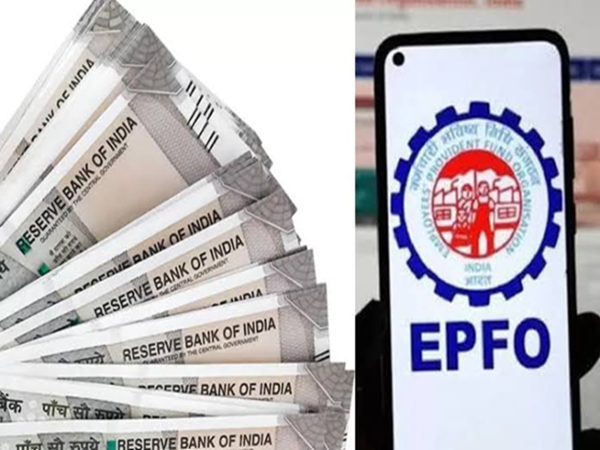
EPFO Rules and Digital Changes 2026: If you have been following news related to the Employees' Provident Fund Organisation (EPFO) recently, you might have formed the impression that all PF rules have changed. Following new updates and service announcements, many salaried individuals are confused about the status of their PF accounts. However, the reality is that the fundamental rules remain unchanged; the major updates have primarily been introduced to streamline digital services.
Let us look at what is new regarding PF accounts in 2026 and which rules have remained the same.
What has changed?
A. Service History Feature: The most significant and useful change for employees has occurred on the digital front. EPFO has introduced a new 'Service History' feature. Through this, members can view details of all their past and current jobs linked to their Universal Account Number (UAN) in one place. If you have changed jobs two or three times during your career, you can easily verify whether the PF IDs from all your companies are correctly linked to your UAN.
B. Automated Claim Process: EPFO has expanded the scope of its automated claim settlement system. Eligible online claims are now being processed and settled much faster than before. However, claims may face delays if there are mismatches between your bank account, PAN, Aadhaar card, and employer records. Therefore, keeping your KYC details updated is crucial before submitting a claim.
Which rules have remained unchanged?
A. PF Contribution Rates: If you were expecting major changes to EPF contribution rates, there have been none. As before, 12% of the employee's basic salary and dearness allowance (Basic Pay + DA) is contributed to the PF. The employer also deposits its share in accordance with established EPF and EPS regulations. B. Tax Rules: Many people still believe that the entire PF amount is tax-free; however, the tax rules remain unchanged. Tax exemption is available on PF withdrawals made after completing five years of continuous service. Withdrawals made before the five-year mark may attract tax. The rule regarding taxation on interest earned on an employee's own EPF contribution—if it exceeds the prescribed annual limit (e.g., ₹2.5 lakh or ₹5 lakh)—remains in effect.
C. Partial Withdrawal and PF Transfer: The terms and conditions for making advance PF withdrawals for specific situations—such as illness, marriage, higher education, purchasing a home, or repaying a home loan—remain the same. When changing jobs, it is advisable to transfer the PF balance to the new account rather than withdrawing it. Maintaining a single active UAN ensures a hassle-free withdrawal process in the future.
Key Takeaways for Employees
The EPFO has not introduced a new regulatory framework for 2026; instead, it has streamlined facilities and processes. Your monthly savings, interest earnings, and retirement benefits continue to operate securely, just as before. It is in your best interest to:
Keep your KYC and service records updated at all times.
Avoid withdrawing PF funds unnecessarily.
Allow your retirement fund to grow over the long term.
Disclaimer: This content has been sourced and edited from Money Control. While we have made modifications for clarity and presentation, the original content belongs to its respective authors and website. We do not claim ownership of the content.
-
Advocate Sajid Siddiqui, who built SDPI in Madhya Pradesh, dies
-
CJP protests: Dhurandhar fame Ayesha Khan detained in Mumbai

-
Samsung Galaxy Z Fold 8 Ultra Vs Galaxy Z Fold 8: Go Big Or Go Small?
-
'Crying Would Serve No Purpose': NEET Toppers Say Cancelled Paper Became Biggest Opportunity
-
Blinkit's Q1 Adjusted EBITDA Rises To ₹102 Cr; 'Others' Losses Rise On Nugget R&D