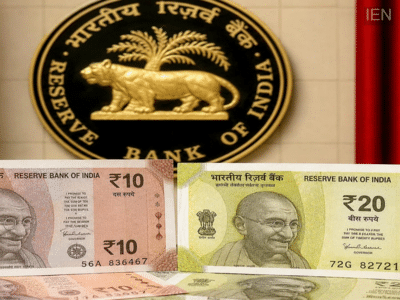
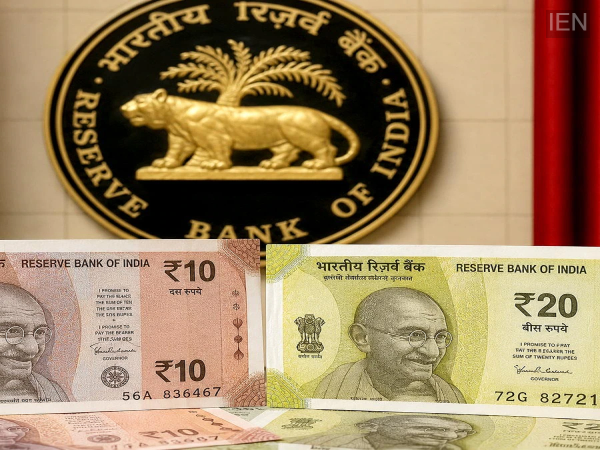
Plastic Currency: A while ago, the RBI announced plans to introduce plastic currency soon. This has sparked numerous questions among the public about these new notes—including their appearance, potential design changes, and whether they can be withdrawn from ATMs. Another key question concerns their safety features: will they include secret security elements? Here is the answer to that question.
Will plastic notes have security features?
The answer is yes! Plastic notes may incorporate secret security features. Compared to the paper notes that have been in use for years, these notes could feature more modern and robust security elements. These might include transparent windows, micro-printing, color-shifting ink, raised printing, laser-based designs, and special holographic elements. Such technologies make it extremely difficult to counterfeit the notes.
Countries already using plastic currency
Plastic currency is already in use in several countries around the world. Australia was the first to issue plastic notes in 1988. Subsequently, countries like Canada, New Zealand, the UK, Singapore, Brunei, Romania, Vietnam, and many others adopted polymer notes. Experience from these nations shows that plastic notes are more durable than paper ones; they are water-resistant and have a longer lifespan.
Plastic notes are robust
Moreover, polymer notes are considered highly secure. It is extremely difficult to replicate the transparent safety features and special printing techniques used in them. This is why plastic currency is considered effective in curbing counterfeit notes to a significant extent in many countries.
-
Congress targets Modi over video message on NEET protest
-
Father held for killing 13-day-old baby girl in Karnataka
-
Mumbai court orders Flipkart to refund iPhone buyer sent beard oil
-
Unusual Twist! India To Play As 'Visiting Team' On Home Soil Ahead Of Asian Games

-
Delhi University Warns Students Against Jantar Mantar Gatherings; Issues Important Advisory