E20 Will Not Make Petrol Cheaper: Ex-HPCL Chief Explains
Sandy Verma | July 18, 2026 9:24 PM CST
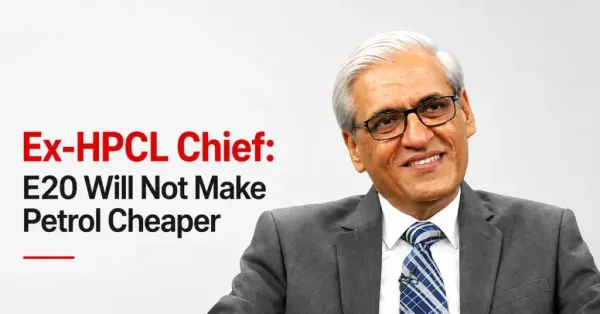
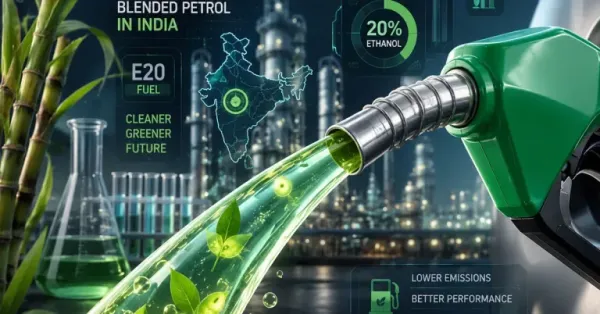
India’s rapid transition to E20 petrol (a blend of 20% Ethanol and 80% petrol) has improved energy security. Consumers, however, expected petrol prices to come down post-blending. Previous claims made by some ministers and government officials backed these hopes. As it turns out, the shift to E20 petrol will not reduce fuel prices. MK Surana, former Chairman and Managing Director of Hindustan Petroleum Corporation Limited (HPCL) recently spoke about this. He said that ethanol actually costs more than petrol for oil companies and thus a reduction in bunk prices of blended petrol, is very unlikely.
Surana was talking at a panel discussion on biofuels by CNBC. The common belief that adding ethanol to petrol should lower fuel prices is baseless- he said. Ethanol is priced between ₹56.71 and around ₹71 per litre. In comparison, the ex-refinery price of petrol is about ₹53 per litre. This means oil marketing companies (OMCs) pay more to procure ethanol than petrol.
The ex-refinary prices of petrol are linked to global crude oil prices. Ethanol prices, on the other hand, are linked to feedstocks such as grains and sugarcane. Because of this pricing system, blending ethanol does not reduce the overall cost for fuel retailers.
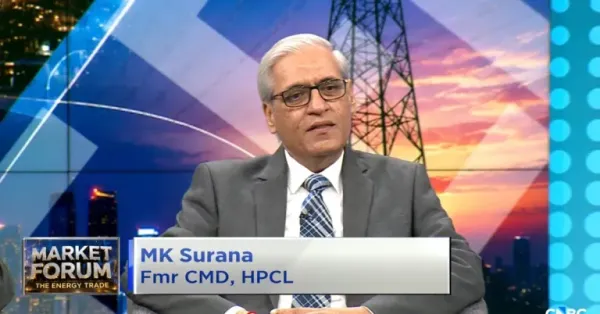
The advantage of the blending program, Surana said, is that it provides price stability when global crude prices rise. Ethanol, he said, acts as a hedge for oil marketing companies when crude prices are high.
In simple terms, ethanol works like a buffer. When crude oil prices rise, blending ethanol can reduce the financial losses, also known as under-recoveries, for oil companies.
However, when crude oil prices fall, companies do not benefit as much from ethanol blending. Even then, it helps bring some stability to fuel pricing over time.
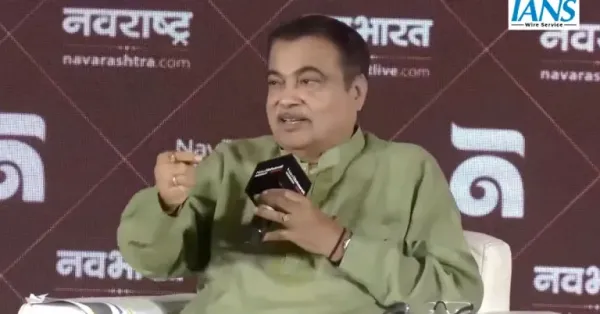
In the early stages of India’s E20 transition, Union Minister Nitin Gadkari had made big claims and promises around blended fuel. He had even stated that the blending program would bring down petrol prices to Rs 15 per litre!
Back then, he said “The petrol that you buy for Rs 120, we will make it available for Rs 15. The average (mileage) that you get from the Rs 120 petrol, you will get from Rs 15 Ethanol blended petrol.” While that sounded a bit too ambitious, citizens expected a notable reduction in prices.
In reality, however, the blending program has brought no major cuts in bunk prices of petrol. The Petroleum and Natural Gas Ministry recently issued a clarification on this saying E20 petrol is costlier to produce than pure petrol at prevailing global crude oil prices.
The ministry explained that Maize-based ethanol is now being procured at Rs 71.86 per litre. GST, transportation and depot handling costs apply on top of this. It even said that for the total cost of producing E20 petrol to be lower than that of making pure petrol, global crude prices should go further up. We have explained this claim in detail, in a previous story.
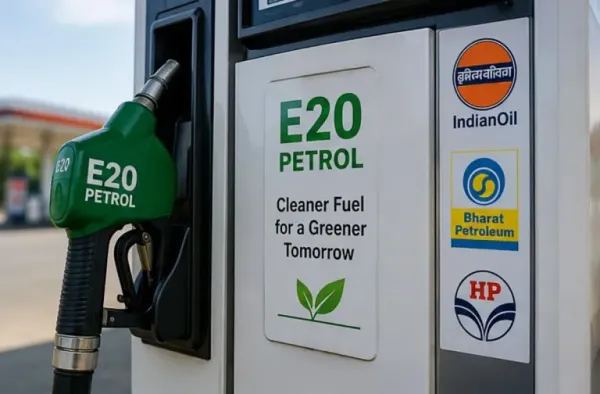
Surana also addressed concerns about ethanol affecting refinery operations. He made it clear that ethanol blending does not reduce refinery output.
In fact, ethanol can help refineries work more efficiently. Because ethanol has a higher octane rating, refiners can use certain low-octane fuel streams, like naphtha, more effectively while producing petrol.
The discussion also covered whether India can move beyond E20 fuel in the future. Jay Kale, Director at Elara Capital, said most carmakers are already ready for E20. Vehicles made after 2023 are largely compatible with this fuel type.
However, increasing ethanol content beyond 20 percent will require major changes. Automakers will need to invest heavily in flex-fuel technology and redesign certain engine components. This means higher costs for manufacturers, which may also affect vehicle prices.
One major challenge with higher ethanol blends is fuel efficiency. Ethanol has lower energy content compared to petrol. As a result, vehicles may deliver lower mileage when using higher ethanol blends.
Kale pointed out that consumers will only accept higher ethanol blends if the pricing makes sense. If the drop in fuel efficiency is not balanced by lower fuel prices, adoption could remain slow.
The panel also discussed other alternative fuels. Suhas Baxi, CEO of Biofuel Circle, highlighted that agricultural waste in India is a large untapped resource for biofuel production.
He also mentioned that the compressed biogas (CBG) sector is still developing and may take two to three years before it becomes financially stable for investors.
READ NEXT
-
AIBE XXII Schedule OUT: Registration Begins August 19 At allindiabarexamination.com; Exam On November 29
-
Chennamma, wife of former Prime Minister HD Deve Gowda, dies at 85

-
All-party meet ahead of session, Wangchuk set to dominate agenda

-
Blast at illegal firecracker unit in Ahmedabad, nine dead
-
Female influencer claims DU student repeatedly harassed her online