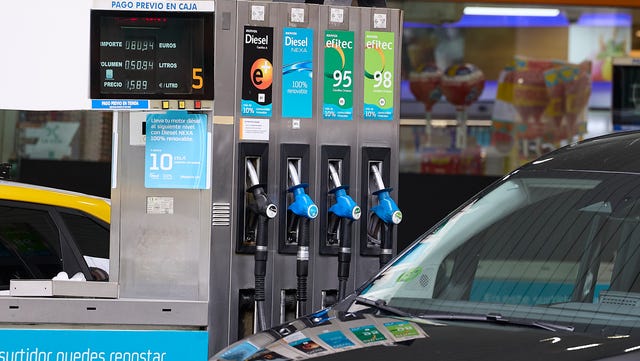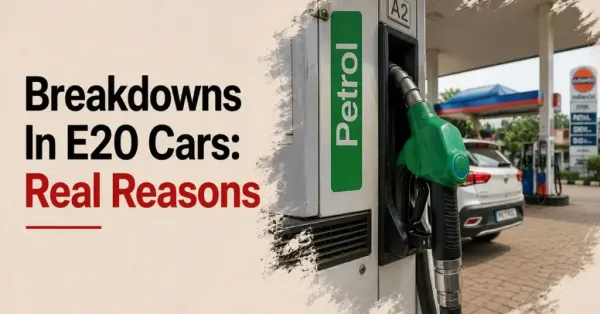
India’s ethanol-blending program is now being widely discussed online. One major reason is that even cars designed for E20 fuel are now facing breakdowns. At first, these may seem linked to the use of E20 petrol (which contains 20% ethanol). However, the real problem is not the fuel itself. Instead, it is to how E20 petrol is stored, used and everything in between. These may include cases of adulteration, contamination and more.
Though not all, many of these breakdowns can be attributed to three broad causes- water contamination, outdated storage infrastructure at bunks, and adulteration. Water is the villain in the first two cases. Proper maintenance has now become more important than ever. Even compliant Engines face issues when fuel quality dips. Rough idling, stalling and unprecedented breakdowns could occur.
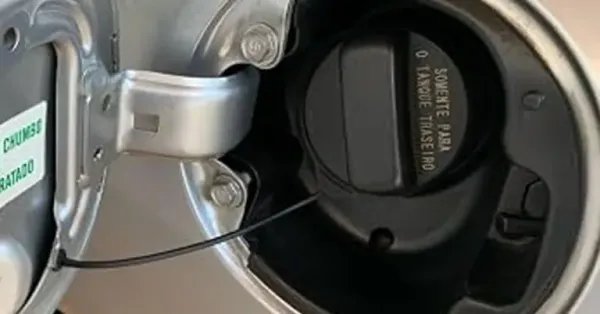
Water ingress into the car’s fuel tank can be a stronger villain than you think. This is due to the peculiar chemical nature of Ethanol. E20 petrol contains 20 percent ethanol and 80 percent petrol. Ethanol is highly hygroscopic. It attracts water aggressively.
If water enters the car’s fuel tank in some way, the ethanol in blended petrol detaches from the blend and binds with water molecules. This process is called phase separation. The ethanol-water mix forms a separate layer and settles at the bottom of the tank. The petrol being less dense, will form an upper layer.
The fuel pump draws from the bottom of the tank. This means that the Ethanol-water mix will get sucked into the engine, before the layer of petrol. This can be very damaging for the engine, and can lead to loss of power, misfires, or complete stalls.
When using unblended petrol, engines can tolerate small amounts of water that may enter the fuel tank during washing and through other such ways. Ethanol and phase separation make things worse. Even the ingress of 0.5% of water would breach the chemical threshold and trigger phase separation.
Vehicle owners will have to take extra care during monsoons. During heavy rains, water may collect around the fuel filler cap. If this is not cleaned before refuelling, some of that water may enter the tank, mostly unnoticed by the bunk’s staff. Damaged fuel caps, worn seals and poor maintenance will only add to this possibility.
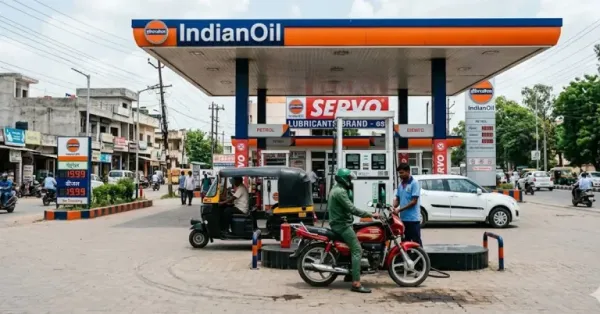
Most petrol bunks were originally designed and built to handle conventional petrol. Petrol is stored in specially-built underground tanks. These were originally installed for conventional petrol and in many cases, when E20 rollout was announced, modifications were made to them so that they can safely handle E20 blends.
Recently, some petrol bunk owners openly admitted that there can be compromises in E20 storage in these tanks. They stated that many underground tanks have not been comprehensively modified for sustained E20 storage. These operators added that this is a big issue during monsoons and in coastal areas, where humidity is naturally high.
Water ingress into these tanks can trigger phase separation within it. The petrol and Ethanol-water mix will then reach the dispensers as fuel is drawn from the bottom of the tank. This is the reason why in many recent cases, customers got a muddy-water-like liquid from fuel dispensers.
This can cause damages to the vehicle, just like we saw in the previous case. Bunk owners have also revealed that Ethanol’s corrosive nature can damage the underground tanks and pipelines, further facilitating water ingress and fuel contamination.
To ensure fuel quality, most bunks now conduct frequent checks to detect water content inside the storage tanks. Reports also state that fuel retailers are losing large amounts of stock due to contamination.
Fuel adulteration has been around for years. Things only get worse with E20 here. Adulteration refers to mixing petrol with lower-cost substances. Due to its unique chemical nature, adulteration can cause serious damage with E20 petrol. It destroys E20 petrol quicker than regular fuel, as the additives could disrupt ethanol’s chemical stability. Use of this can cause severe engine damage. Thus, adulteration may also be causing breakdowns in E20-compliant vehicles. Oil marketing companies have now intensified quality checks across bunks.
-
Would You Let AI Help Build Your Next BMW?
-
Alonso Says Aston Martin F1 Upgrades Under Newey Focus on Building Confidence
-
Fiat 500e Becomes One of the UK’s Most Affordable Cars After Electric Car Grant Approval
-
First Glimpse of the Upcoming Petrol BMW M3 – Manual Gearbox Still a Possibility

-
BMW and Toyota Begin Real-World Trials of 100% Renewable Petrol in Spain – A Step Toward Greener Mobility