Skin barrier damage is more common during monsoons than you think; Here's why
ETimes | July 17, 2026 10:39 PM CST

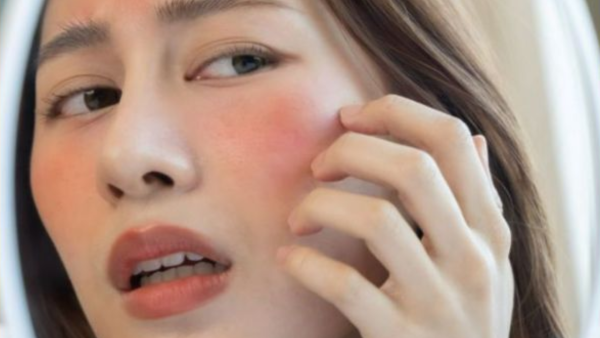
Monsoon rains may provide relief from harsh, hot summer months, but the season comes with numerous skin-related challenges. Humidity, temperature fluctuations, pollution, and prolonged dampness can disturb the skin’s shield, making it prone to dehydration, irritation, acne outbreaks, fungal infections, and extreme sensitivity. So, instead of treating each issue separately, experts believe the solution often involves strengthening the skin barrier.
What is the skin barrier?
The skin barrier, or epidermis, is the outermost layer of the skin. It is referred to as ‘brick-and-mortar’ construction, where the bricks are skin cells and the mortar is lipids such as ceramides, cholesterol, and fatty acids. The main functions of the skin barrier include preventing excessive loss of water, protecting the skin from pollens, pollutants, microorganisms, and harmful substances from entering the body, keeping the skin hydrated, ensuring normal functioning of the skin, and also defending the outer layer against environmental effects
Why is the skin barrier affected by the monsoon season?
Despite the moistness in the air during the rainy season, the high humidity is not necessarily good for the skin. Several factors can weaken the skin barrier.
1. High humidity disturbs the oil balance
Humidity increases the secretion of sweat and sebum. When excess oil combines with sweat, the pores become clogged and susceptible to acne-causing bacteria.
2. Frequent washing of the face
To deal with the stickiness, people usually wash their faces several times a day. Too much cleansing removes the natural lipids, forming a weak barrier.
3. Pollution
One of the features of the monsoon season is that pollution levels remain unchanged. Pollution is still present in the form of tiny particles that deposit on the skin. As a result, skin undergoes oxidative stress, leading to inflammation.
4. Growth of fungi and bacteria
The humidity associated with the rainy season results in the growth of microbes. These microbes can lead to skin infections and irritations.

How to resolve this problem?
1. Choose a mild cleanser
It is very important to look for a pH-balanced cleanser that does not contain any sulphates, as such cleansers allow you to wash the skin without stripping it of its oils.
2. Use ceramides
Ceramides will help to provide the skin with oil lost from the skin barrier.
3. Moisturisers are a must
Moisturisation is also important for oily skin. One can start with gel-cream formulations, and later switch to a lotion formulations, which is the best option in this season.
4. Use sunscreen
Up to 80 percent of UV rays can pass through the clouds, meaning that sunscreen should be used even in rainy weather. UV rays affect your skin barrier and cause premature ageing.
For better understanding, we had an exclusive conversation with Aarhan Khan, CEO of Maliao Cosmetics, who said, “A skincare routine during the monsoon needs to be revamped, with barrier care becoming a core component of your regimen. Although high humidity levels give you a hydrated feel, they disrupt the skin's natural balance by accumulating sweat, sebum, and other impurities that clog pores and cause skin irritation. Opting for light, non-comedogenic products with ingredients such as hyaluronic acid, panthenol, ceramides, and niacinamide will help you restore moisture, reduce inflammation, and create an effective skin barrier. With an intact skin barrier, you get more protection from the environment and radiant skin.”
Parting thoughts
The first step towards having healthy skin is keeping your skin barrier healthy. During the rainy season, our skin works harder to maintain the balance amidst all the humidity, pollution, and environmental stress. Instead of chasing multiple skincare trends, focus on healing the skin barrier by gently cleansing and securing it with moisturising your skin. A strong skin barrier will ensure your skin's immunity during this humid weather.
What is the skin barrier?
The skin barrier, or epidermis, is the outermost layer of the skin. It is referred to as ‘brick-and-mortar’ construction, where the bricks are skin cells and the mortar is lipids such as ceramides, cholesterol, and fatty acids. The main functions of the skin barrier include preventing excessive loss of water, protecting the skin from pollens, pollutants, microorganisms, and harmful substances from entering the body, keeping the skin hydrated, ensuring normal functioning of the skin, and also defending the outer layer against environmental effects
Why is the skin barrier affected by the monsoon season?
Despite the moistness in the air during the rainy season, the high humidity is not necessarily good for the skin. Several factors can weaken the skin barrier.
1. High humidity disturbs the oil balance
Humidity increases the secretion of sweat and sebum. When excess oil combines with sweat, the pores become clogged and susceptible to acne-causing bacteria.
2. Frequent washing of the face
To deal with the stickiness, people usually wash their faces several times a day. Too much cleansing removes the natural lipids, forming a weak barrier.
3. Pollution
One of the features of the monsoon season is that pollution levels remain unchanged. Pollution is still present in the form of tiny particles that deposit on the skin. As a result, skin undergoes oxidative stress, leading to inflammation.
4. Growth of fungi and bacteria
The humidity associated with the rainy season results in the growth of microbes. These microbes can lead to skin infections and irritations.
How to resolve this problem?
1. Choose a mild cleanser
It is very important to look for a pH-balanced cleanser that does not contain any sulphates, as such cleansers allow you to wash the skin without stripping it of its oils.
2. Use ceramides
Ceramides will help to provide the skin with oil lost from the skin barrier.
3. Moisturisers are a must
Moisturisation is also important for oily skin. One can start with gel-cream formulations, and later switch to a lotion formulations, which is the best option in this season.
4. Use sunscreen
Up to 80 percent of UV rays can pass through the clouds, meaning that sunscreen should be used even in rainy weather. UV rays affect your skin barrier and cause premature ageing.
For better understanding, we had an exclusive conversation with Aarhan Khan, CEO of Maliao Cosmetics, who said, “A skincare routine during the monsoon needs to be revamped, with barrier care becoming a core component of your regimen. Although high humidity levels give you a hydrated feel, they disrupt the skin's natural balance by accumulating sweat, sebum, and other impurities that clog pores and cause skin irritation. Opting for light, non-comedogenic products with ingredients such as hyaluronic acid, panthenol, ceramides, and niacinamide will help you restore moisture, reduce inflammation, and create an effective skin barrier. With an intact skin barrier, you get more protection from the environment and radiant skin.”
Parting thoughts
The first step towards having healthy skin is keeping your skin barrier healthy. During the rainy season, our skin works harder to maintain the balance amidst all the humidity, pollution, and environmental stress. Instead of chasing multiple skincare trends, focus on healing the skin barrier by gently cleansing and securing it with moisturising your skin. A strong skin barrier will ensure your skin's immunity during this humid weather.
READ NEXT
-
Manchester United include Andrey Santos in travelling squad for Wrexham friendly

-
Cow’s milk brought home is not mixed with detergent? Find out in a simple test

-
Kitchen Tips: These 4 delicious chutneys will enhance the taste of every food, from pulses, rice to snacks, know the easy way to make them.

-
BSNL Postpaid Plan: You will get the benefit of postpaid connection, unlimited calling and 25GB data in just Rs 199.

-
Dhinidhi Desinghu breaks national record, wins Asian Age Group bronze