Tea contains plant compounds such as catechins, theaflavins, flavonoids and polyphenols, which have antioxidant and anti-inflammatory properties. These compounds help protect blood vessels from damage caused by free radicals, according to Yahoo TW.
Long-term oxidative stress can impair the function of the endothelium, the inner lining of blood vessels, encouraging cholesterol buildup and the hardening of arteries. Polyphenols in tea may help maintain arterial flexibility, improve circulation and reduce chronic inflammation, all of which support cardiovascular health.
While tea cannot treat heart disease, experts say it may help protect the cardiovascular system as part of an overall healthy lifestyle.
|
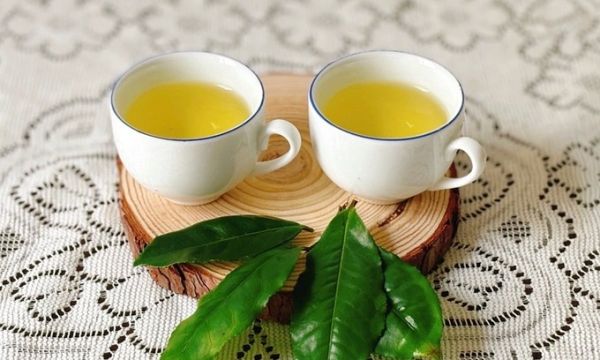
Drinking two to four cups of tea a day, or about 500–1,000 ml, may help support cardiovascular health. Photo by Bao Bao |
A meta-analysis of 14 studies involving more than 510,000 participants found that tea consumption was associated with a lower risk of stroke. Drinking around three cups daily was linked to a 13% reduction in stroke risk, particularly ischemic stroke caused by blocked blood vessels. Most studies suggest that two to four cups of unsweetened tea per day provide the greatest health benefits without increasing risks.
A 2020 study published in the European Journal of Preventive Cardiology, which tracked more than 100,000 adults, found that people who drank tea at least three times a week had lower risks of cardiovascular disease and premature death than those who drank tea less frequently. Regular tea drinkers also developed cardiovascular disease about 1.4 years later on average.
Researchers caution, however, that these studies show an association rather than proving that tea directly reduces heart disease risk. More clinical trials are needed to determine the ideal amount and type of tea for cardiovascular protection.
Although green tea has been studied most extensively, there is currently insufficient evidence to conclude that it is superior to black or oolong tea. All three varieties come from the same plant, Camellia sinensis, with the main difference being the degree of fermentation during processing.
Tea is more than just a morning energy boost—it can also benefit heart health when consumed wisely. Stick to moderate amounts, choose unsweetened tea, and avoid excessive caffeine, which may do more harm than good.
-
Cooking facing the wrong way? Extreme misfortune can happen in Vastur Kope Sansara

-
Hair Care Tips: What is the right time to apply hair oil? Javed Habib told easy way for healthy hair

-
World AI Conference 2026: Information about the launch of Nubia NaviX Ultra AI smartphone revealed

-
OnePlus said the news of closing business in India is wrong, but there is going to be a big change in the software system.

-
Changes to WC formats make sense: Ashwin – Tezzbuzz