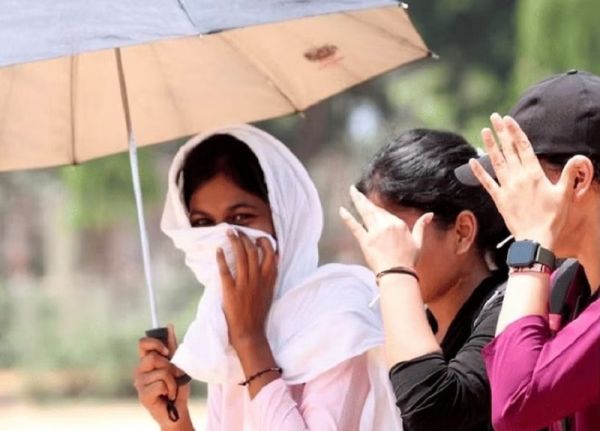
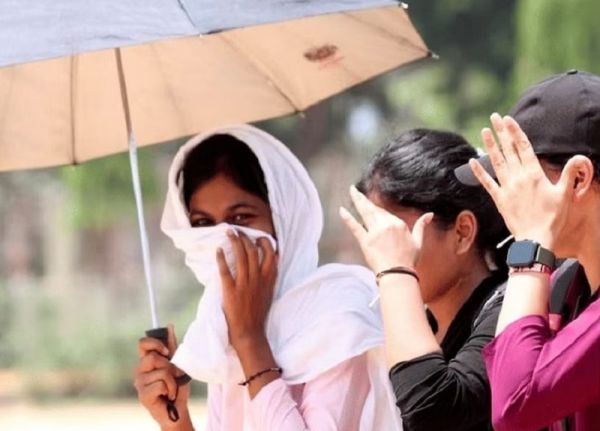
New Delhi. With rising day temperatures, the heat at night is also becoming a serious health crisis. According to a new global report by Climate Central, people in many parts of the country are losing dozens of hours of sleep every year due to hot and humid nights. South India has emerged as the biggest center of this problem. The report concludes that climate change is no longer just a matter of weather, but is affecting people’s sleep, health and performance.
According to the report, people of Puducherry are losing an average of 92 hours of sleep in a year. Sleep loss of 88.6 hours was recorded in Andhra Pradesh and 88.3 hours in Kerala. The situation is also worrying in Tamil Nadu, Karnataka and Telangana, where the continuously increasing night heat is not allowing people to get adequate rest. The extra sleep of about 7.9 hours per person in Tamil Nadu and 7.8 hours in Karnataka is being lost only due to the changing climate.
-
Read this also What was the biggest reason for theft in Ram temple? Big information in SIT report
Effect of hot nights visible even in big cities
The impact of hot nights has increased rapidly even in big cities. Chennai tops the list, where a person is getting an average of 93 hours less sleep annually. This figure is 84 hours in Mumbai, 80 hours in Kolkata and 66 hours in Delhi. The excess sleep loss due to climate change has been highest in Bengaluru, while Hyderabad, Ahmedabad and Pune have also seen significant impacts. Experts believe that rapid urbanization and the spread of concrete has made this problem more serious.
Lack of sleep can cause serious diseases
Health experts say that 7 to 9 hours of quality sleep per day is necessary for adults. When the temperature remains high at night, the body is unable to recover from the heat of the day and there is difficulty in getting deep sleep. If such a situation persists for a long time, the risk of problems like high blood pressure, heart disease, stroke, diabetes, obesity, mental stress, depression, loss of memory and weak immunity increases. Not getting enough sleep also affects efficiency and decision-making ability.
Danger increased rapidly in five decades
The report has analyzed 1,338 cities of the world including India. According to the study, sleep loss caused by climate change has almost doubled compared to the 1970s. Between 2020 and 2025, each person worldwide lost an average of 56 hours of sleep due to hotter nights, with more than 10 percent of the reduction directly linked to climate change. Scientists say that the increasing use of fossil fuels and emissions of greenhouse gases have led to a steady increase in temperatures. If emissions are not effectively controlled, this problem will become more serious in the coming years.
-
Failed NEET-UG? Find out how to build a brilliant career in the medical field without NEET..

-
Job opportunity with the country's largest examination agency; salary up to ₹2 lakh..

-
Apple Offer: Get AirPods Pro and Pencil Pro for free! Here’s who can avail of this benefit..

-
Indian T20 Franchise Owner Arrested For Bribing Player In Foreign League

-
'Kala Hiran' Teaser With 'Dabangg' And 'Sikander' References Drops Amid Salman Khan Legal Row