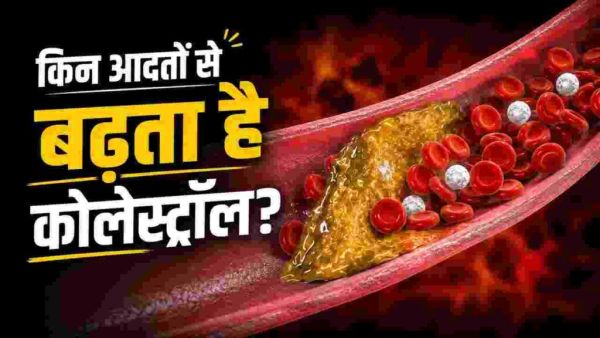
Due to modern lifestyle, physical inactivity and excessive dependence on processed foods, the problem of high cholesterol has taken the form of a serious global epidemic today. Cholesterol is basically a wax-like fatty substance found in our blood, which helps the body in creating new cells, essential hormones and vitamin D. But when its quantity in the body increases more than required, it can prove to be a silent killer. When the level of bad cholesterol (LDL cholesterol) increases in the blood, it starts getting deposited on the walls of the veins. Due to this, the veins become narrow and the blood flow to the heart is severely disrupted, due to which the risk of heart attack, coronary artery disease and brain stroke increases manifold. Let us know which of our daily habits are increasing this dirt in the veins and what are the scientific solutions to prevent it: These 4 habits increase bad cholesterol at the speed of a rocket (Major Causes) According to the reports of the National Heart, Lung and Blood Institute (NHLBI), our daily routine and eating habits are largely responsible for the problem of high cholesterol: Excessive consumption of saturated and trans fat: Samosas, Kachoris, Pizza, Burgers, Packets Trans fats are found in abundance in packaged chips, bakery products (cakes, pastries) and foods made with repeatedly heated oil. It directly increases LDL (bad cholesterol) in the veins. Physical inactivity (Sedentary Lifestyle): Due to working sitting at one place for hours, not walking and keeping distance from any kind of exercise, fat does not burn in the body, due to which weight starts increasing and cholesterol level gets worsened. Smoking and drug addiction: By consuming cigarettes or tobacco, the level of good cholesterol (HDL cholesterol) present in our body starts decreasing rapidly. The job of HDL is to clean the excess bad cholesterol deposited in the veins and transport it to the liver, its decrease increases the risk of blockage in the veins. Other health conditions and genetics: Patients with increasing age, obesity, uncontrolled diabetes (high sugar) and high blood pressure are at the highest risk of increased cholesterol. Apart from this, if there is already a family history of heart disease or high cholesterol, it can also affect you due to genetic reasons. 5 Surefire Ways to Clean Veins and Control Cholesterol (Lifestyle Changes) If you want to keep your lipid profile normal naturally without or with medicines, then immediately implement these 5 major changes in lifestyle: 150 minutes of exercise a week: It is most important to be physically active. Do at least 30 minutes of moderate intensity exercise daily or 150 minutes a week such as brisk walking, cycling, swimming or yoga. This increases good cholesterol. Adopt a heart-friendly diet: Include fiber-rich items like fresh fruits, green leafy vegetables, whole grains (oats, porridge), pulses and beans in your daily diet. For cooking, instead of refined oil, consume limited amount of healthy fat (like olive oil or mustard oil) and a handful of dry fruits (almonds, walnuts). Keep weight and sugar under control: If your weight is more than normal, try to reduce it through calorie deficit diet and exercise. Even a 5 to 10% reduction in weight improves cholesterol levels dramatically. Also monitor blood pressure and sugar level regularly. Complete abstinence from smoking: If you smoke, quit it today. Within a few weeks of quitting smoking, the level of good cholesterol (HDL) in the body starts improving and the risk of heart attack is halved. Don’t ignore the symptoms: When to run straight to the doctor? High cholesterol is called a ‘silent problem’ in medical science because in the initial stages no external or obvious symptoms are visible on the body. Millions of people are diagnosed with it when they get a routine blood test (lipid profile) done for some other disease. However, if the blockage in the veins reaches a serious level, the following symptoms start appearing in the body, which should not be ignored even by mistake: Heaviness, stiffness or sudden severe pain in the chest (angina). Shortness of breath even after walking a little or climbing stairs. Suddenly feeling weakness or numbness in any one part of the body. Excessive sweating and dizziness without any reason. Experts’ advice: If you are above 30 years of age and are suffering from obesity, diabetes, or high BP, or there is a history of heart disease in your family, then get your lipid profile test done every 6 months or 1 year and determine your diet and treatment as per the doctor’s advice.
-
Enzo Fernandez mocks England with cheeky post after Argentina’s World Cup semi-final win

-
‘Rescue us, Cristiano Ronaldo fans!’ – IShowSpeed urges Lamine Yamal to lead Spain past Argentina and Lionel Messi in World Cup final

-
Rohit Sharma 'Unhappy' With Selection Choice After BCCI's 'Last ODI' Meeting

-
‘The Odyssey’ X Reviews: Christopher Nolan’s Epic Wins Praise But Faces ‘Woke Casting’ Backlash

-
Bhojshala Convener Welcomes SC Order, Urges Muslims To Accept Temple Status