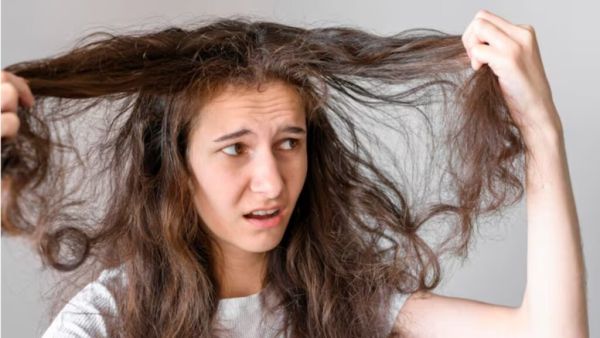
Hair fall is one of the most common concerns among both men and women. To control it, many people rely on hair oils, expensive shampoos, or biotin supplements. However, dermatologists say that several popular beliefs about these products are actually myths.
Understanding what these products can and cannot do may help you make better choices for your hair health.
Myth 1: Hair Oil Stops Hair Fall
Reality: Hair oil nourishes the hair shaft but does not treat the underlying causes of hair fall.
Using hair oil can:
- Reduce dryness
- Minimize frizz
- Improve hair softness
- Help reduce hair breakage caused by damage
However, it does not prevent hair shedding caused by factors such as genetics, hormonal changes, nutritional deficiencies, or medical conditions.
Tips for Using Hair Oil
- Apply oil about 1–2 hours before washing your hair.
- Avoid leaving oil on overnight unless specifically advised.
- If you have dandruff or a scalp infection, avoid applying oil directly to the scalp, as it may worsen the condition.
Myth 2: Shampoo Prevents Hair Fall
Reality: The primary purpose of shampoo is to clean the scalp—not to stop hair loss.
A good shampoo removes:
- Dirt
- Sweat
- Excess oil (sebum)
- Product buildup
Different shampoos may help improve hair appearance:
- Moisturizing shampoos with ingredients like avocado, coconut, or argan oil can benefit dry hair.
- Caffeine-containing shampoos may temporarily improve the appearance of thin hair in some people.
However, shampoo alone cannot treat the root causes of hair fall.
Myth 3: Biotin Supplements Cure Hair Loss
Reality: Biotin supplements are helpful mainly if you have a confirmed biotin deficiency, which is relatively uncommon.
Hair loss is more commonly linked to deficiencies of:
- Iron
- Vitamin D
- Vitamin B12
- Zinc
- Selenium
Before taking any supplements, it’s best to consult a healthcare professional. Blood tests can help identify nutritional deficiencies so that treatment is targeted and effective.
When supplements are prescribed, they often need to be taken consistently for at least three months before noticeable improvements may occur.
What Actually Helps Reduce Hair Fall?
Managing hair fall usually requires identifying and addressing the underlying cause.
Healthy habits include:
- Eating a balanced diet rich in protein, iron, vitamins, and minerals
- Managing stress
- Getting adequate sleep
- Avoiding excessive heat styling and harsh chemical treatments
- Treating scalp conditions such as dandruff promptly
- Consulting a dermatologist if hair fall is excessive or persistent
When Should You See a Doctor?
Seek medical advice if you notice:
- Sudden or excessive hair shedding
- Bald patches
- Persistent scalp itching, redness, or scaling
- Hair loss lasting for several months
- Hair fall accompanied by fatigue, weight changes, or other health concerns
A dermatologist can identify the underlying cause and recommend appropriate treatment.
Final Thoughts
Hair oils, shampoos, and biotin supplements each have their place in a hair care routine, but they are not miracle solutions for hair fall. Hair oil helps condition the hair, shampoo keeps the scalp clean, and supplements are beneficial only when there is a proven deficiency. For long-term hair health, focus on a balanced lifestyle, proper nutrition, and professional medical guidance when needed.
Disclaimer: This article is for informational purposes only and should not be considered medical advice. Always consult a qualified healthcare professional before starting supplements or treatment for hair loss.
-
Sagittarius Tarot Horoscope Today, July 17, 2026: New opportunities for connection, partner offers strong support

-
Capricorn Tarot Horoscope Today, July 17, 2026: Stay Focused and Enhance Your Organisation
-
Pisces Tarot Horoscope Today, July 17, 2026: Strengthen Focus and Streamline Routine
-
Gold Rate Today: Gold prices have slipped again; rates for both 24-carat and 22-carat gold have come down..

-
CBSE Class 10 Result 2026 Live: CBSE Class 10 Phase-2 board results could be released at any time; the link will be activated on cbse.gov.in.