
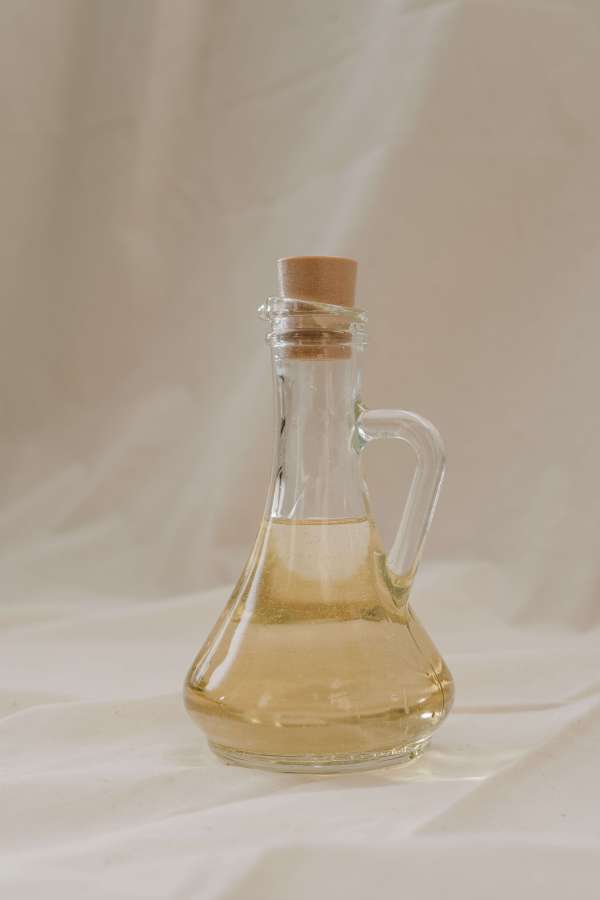
White vinegar has long been used in the kitchen, but it is now gaining popularity near front doors as well. On social media groups and forums, homeowners have started following a simple procedure: spraying white vinegar mixed with water near door openings to keep pests away from the house. This practice has become popular because it is inexpensive, easy to do and avoids toxic sprays. While white vinegar should not be considered a solution to get rid of pests in case of large infestations, many people are trying this natural remedy during the warm periods when insect activity becomes frequent.
The method sounds simple enough. Acetic acid present in white vinegar gives the product a pungent smell. Even though the smell vanishes fairly quickly, it disrupts the navigation process of some insects. Ants, for example, use chemical markers laid down by colony members to orient themselves. When those trails are erased, ants can no longer follow them into the house.
Why does vinegar seem to work against household pests?
Vinegar works less by killing insects than by making an area less attractive to them. Unlike commercial insecticides, vinegar does not poison ants or cockroaches. Instead, its strong acidic odour disrupts their normal behaviour. Ants communicate using pheromone trails that guide other workers to food sources. A layer of vinegar temporarily masks these chemical signals, forcing ants to search for alternative routes. That is why many homeowners notice fewer ants crossing treated thresholds after a fresh spray.
According to research published in the , studying ant communication has repeatedly shown that chemical cues are essential for colony organisation and navigation, highlighting how disrupting these signals can interfere with foraging behaviour. Spiders appear to respond differently. Rather than relying on scent trails, they are believed to avoid areas with strong unfamiliar odours. Scientific evidence that vinegar repels spiders remains limited, but many household users report fewer webs around regularly treated doorways. Cockroaches present a more complicated case.
Vinegar does not eliminate them, but cleaning entrances with vinegar can reduce food residues and odours that might otherwise attract insects. Combined with proper sanitation and sealing gaps around doors, vinegar may contribute to making the entrance less inviting. Experts stress that vinegar should be viewed as one element of an integrated approach rather than a miracle solution. Persistent infestations still require identifying nesting sites, removing food sources and, where necessary, seeking professional pest control.
Beyond pest control: a cleaner entrance
Another reason the habit has become popular is that front doors often accumulate far more dirt than people realise. Each time someone enters the house, shoes can bring in dust, soil, pollen and microscopic debris from outside. Moisture around the threshold can also encourage bacterial growth and unpleasant odours, especially during humid weather. Diluted white vinegar is widely recognised as an effective household cleaner because its mild acidity helps dissolve mineral deposits, grease and surface grime. A weekly spray followed by wiping the door frame and threshold can leave the entrance visibly cleaner while simultaneously reducing lingering smells.
Unlike most commercial cleaners, white vinegar is affordable and easy to get in almost all grocery stores. For people trying to minimise the number of chemicals they use at home, vinegar offers another cleaning option. The growing popularity of vinegar also reflects a broader trend toward simple kitchen remedies instead of speciality products.
How to use it safely and what it cannot do
The usual recommendation is to mix equal parts white vinegar and water in a spray bottle, then lightly mist the lower part of the front door, door frame and threshold once a week. During periods of heavy insect activity, some households repeat the treatment every few days. However, vinegar is not suitable for every surface. Natural stone such as marble, limestone and granite can be damaged by acidic cleaners, while certain wooden finishes may gradually lose their shine after repeated exposure. Testing a small hidden area first is always advisable.
It is also important to keep expectations realistic. Vinegar will not create a magic barrier that forever keeps insects out of the house. After the smell dissipates, its effect will wane, requiring homeowners to regularly renew their efforts. They should also remember that food, water and open entry points are what attract insects in the first place. As stated in the , research on integrated pest management consistently shows that combining environmental hygiene with physical exclusion measures produces better results than relying on any single treatment alone. The growing interest in spraying vinegar around the front door shows why many traditional household remedies continue to endure.
The method is affordable, easy to add to a weekly cleaning routine and carries relatively little risk when used correctly. Even if it does not eliminate insects, it can help make the entrance cleaner, fresher and potentially less appealing to some of the most common household invaders.
-
‘I’m Here to Win!’ – Rodri Focused on Leading Spain to World Cup Glory but Admits the Toughest Challenge Awaits Against Argentina

-
Extended half-time at World Cup final may heighten injury risk, warns expert

-
Strategic Shifts: The Managers Ushering in New Eras in the Roshn Saudi League

-
Liverpool nearing long-term contract renewal with Dominik Szoboszlai

-
Your Last Chance to Win £1,000 with Our Free World Cup Match Predictor