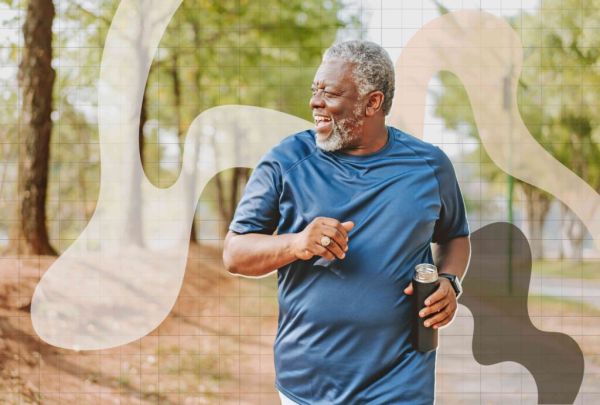
Improve your digestion and regularity with the #1 habit gastroenterologists recommend.
Reviewed by Dietitian Jane Leverich, M.S., RDN
Key Points
- Regular exercise improves digestion by stimulating intestinal contractions.
- Activities like walking or yoga can relieve stress, boost gut health and support the microbiome.
- Staying hydrated and eating fiber-rich foods also promote healthy bowel movements.
When it comes to going number two, we all want things to flow smoothly. But if you’ve ever experienced irregular bowel movements, you know how disruptive it can be to your quality of life. Constipation, bloating and digestive discomfort can leave you feeling sluggish and unwell. The good news? There’s one simple daily habit you can adopt to support your digestive system and improve your bowel health, and that’s regular exercise.
Besides keeping your body strong and healthy, physical activity is essential for maintaining a well-functioning digestive system and supporting gut health. In this article, you’ll learn why regular exercise is one of the best habits you could do to poop better, get expert tips for incorporating movement into your daily routine, and discover other strategies for healthy bowel movements recommended by gastroenterologists.
How Regular Exercise Can Help You Poop Better
May Improve Your Gut Motility
If your digestive system feels sluggish, getting your body moving might be the solution. In fact, research suggests that low-to-moderate aerobic exercise (think walking, swimming or cycling) may improve gut motility in a short period of time.
“Exercise stimulates the natural contraction of intestinal muscles known as peristalsis,” says David Clarke, M.D. “This process is essential for moving food through the digestive system efficiently, preventing constipation and reducing bloating. Regular movement can decrease the time it takes for food to pass through the large intestine, limiting water absorption from the stool and making it easier to pass.”
Can Help You Digest Protein Better
Protein is essential to a healthy diet, but some sources, such as red meat, can sometimes be difficult to digest. That’s where exercise comes in. According to Kenneth Brown, M.Dgentle activities like walking can help improve digestion by speeding up the breakdown and absorption of protein.
“Exercise like walking helps your body digest protein and amino acids better,” Brown explains. “Protein can often be difficult to digest and walking helps to reduce the amount of time it takes the body to digest proteins.”
May Help Reduce Stress
Some research has shown that stress is a common trigger for gastrointestinal issues like constipation, diarrhea, functional dyspepsia (indigestion) and irritable bowel syndrome (IBS).
That said, other research suggests that physical activity is a natural stress reliever that can help lower cortisol levels and release endorphins that may boost mood and relaxation.,
May Support a Healthy Microbiome
Your gut is home to trillions of bacteria essential for digestive and bowel health. Regular physical activity may enhance the diversity and balance of these microbes and create a healthier environment in your digestive tract.
“Regular exercise promotes the growth of beneficial microbes that support digestive health, immune function, and overall well-being,” Clarke explains. “This improved microbial balance can potentially lower the risk of various digestive disorders.”
May Strengthen Your Abdominal Muscles
Core exercises may help support your digestive tract and other organs. In fact, research suggests that even just three months of core strengthening exercises may help reduce transit time and alleviate constipation.
“Core exercises help tone the muscles of the digestive tract and abdominal wall, making bowel movements easier and preventing bloating,” says Clarke. “Abdominal workouts increase fat burn and metabolism, allowing healthy bacteria to function better and reducing midsection fat. Strengthening your core can help improve both gut health and digestive efficiency,” adds Brown.
Tips to Incorporate Regular Exercise Into Your Routine
Adding regular exercise to your routine doesn’t have to be complicated or time-consuming. Here are some practical tips to get started:
- Start small. Going for a short 15 to 20-minute walk after a meal is an excellent way to promote digestion. “Walking helps your body to extract and circulate more phenolics from foods,” says Brown.
- Stay consistent. Aim for at least 150 minutes of moderate exercise per week, as recommended by the Centers for Disease Control and Prevention.
- Mix it up. Variety is the spice of life, as they say. To help prevent your exercise routine from going stale, make sure you find joy in it and incorporate a mix of activities such as aerobic activity (walking, swimming, cycling) and strength training (bodyweight exercises, resistance bands).
- Incorporate movement throughout the day. Short bursts of activity add up. Take the stairs instead of the elevator, park farther from your destination, stretch during work breaks or go for a walk when taking phone calls.
Other Strategies for Improving Bowel Health
Here are some additional tips for improving bowel health:
- Eat a high-fiber diet. “Foods high in fiber, such as fruits, vegetables, whole grains and legumes, help keep your stools soft and promote regular bowel movements,” says Brown. Soluble fiber (the kind found in foods like oats and beans) helps soften stool, while insoluble fiber, present in things like apple skins and broccoli stems, helps food pass more quickly through the digestive system.
- Stay hydrated. “Drinking plenty of water or other fluids helps prevent constipation by softening stools and making them easier to pass,” explains Clarke. The goal is to drink enough fluids so that your urine is light in color, a sign that you’re adequately hydrated.
- Don’t ignore the urge to go. “When you feel the need to have a bowel movement, try to go as soon as possible,” says Brown. “Ignoring the urge can lead to harder stools and more difficult bowel movements.” He also cautions against straining while pooping, as this can potentially cause hemorrhoids and fissures.
- Include probiotic-rich foods. Research suggests that fermented foods like yogurt, kefir, tempeh, sauerkraut and kimchi may help support digestive health. “Regularly consuming foods containing probiotics can promote a healthy gut microbiome, which supports digestive health, immune function, and overall well-being,” according to Clarke.
Our Expert Take
If you’re looking to improve your bowel health and support digestion, regular exercise is the way to go! Exercise can help stimulate intestinal contractions, promote digestion, reduce stress and support a healthy gut microbiome. A daily walk, some yoga or a quick strength-training session may help you poop. Other gut-health-friendly habits include eating foods high in fiber and staying hydrated.
-
Monsoon Travel: This beautiful place of Himachal is considered safe even in rain, know how to reach

-
‘Flattering’ Sainsbury’s dress with Princess Kate-inspired look is now under £12

-
Which yogas like Raj Yoga are there in the horoscope? can change your luck

-
Every Miso Soup Was A Loss: The Taj Turnaround Story You Had No Idea About

-
Vivo T5 Lite 5G: Will be launched today, will give tough competition to Motorola and Realme –