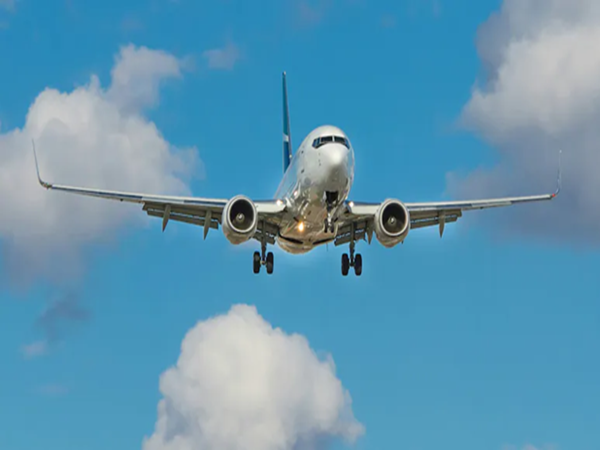
While flying for the first time brings excitement, it can also cause some anxiety regarding airport procedures and strict regulations. There are several crucial stages to navigate—from entering the airport to boarding the aircraft—and a lack of information can often lead to significant difficulties for travelers.
To ensure your first flight experience is smooth and hassle-free, we have compiled a simple, step-by-step guide covering key airport rules. Reading this will help make your journey completely trouble-free.
**Airport Timing Rules**
Punctuality is crucial in air travel. Unlike train travel, you cannot arrive at the airport just before departure because security checks take time. Passengers are required to arrive well in advance, depending on the type of flight. Details regarding the required arrival times are provided below:
**Domestic Flights:** Arrive at the airport at least 2 hours before your scheduled departure time. **International Flights:** For international travel, arriving at least 3 to 4 hours before departure is mandatory. **Boarding Gate Closing:** Boarding begins approximately 45 minutes before takeoff, and the boarding gates close completely 25 minutes prior to departure.
**Rules Regarding Entry Gates**
Security personnel are stationed at the main airport entry gates. You must have the following documents to gain entry. Therefore, ensure you carry these documents with you before leaving home for your trip.
**Ticket and ID Card:** At the gate, you will need to present your flight ticket (either an e-ticket on your mobile or a printout) along with a valid government-issued photo ID card. You can use a driving license, voter ID, or passport as proof of identity. A passport and visa are mandatory for international travel. DigiYatra: If you are traveling from major Indian airports, you can use the 'DigiYatra App' to avoid long queues. It enables rapid entry using facial recognition (biometrics) without the need to show physical documents.
Baggage Rules and Limits
Check-in Baggage: This refers to your large luggage or suitcase, which is deposited at the airport counter and stowed in the aircraft's hold. Typically, the limit for domestic flights is 15 kg per passenger.
Hand and Cabin Baggage: This refers to a small bag or laptop bag that you can carry with you inside the aircraft. The maximum weight limit for this is 7 kg.
Prohibited Items: Do not—under any circumstances—pack matches, lighters, knives, scissors, or liquids exceeding 100 ml in your cabin bag.
Rules for Power Banks and Laptops: Battery-operated electronic items such as power banks, laptops, cameras, and chargers must be carried exclusively in your cabin bag. Placing them in large check-in luggage is strictly prohibited.
Check-in Process and Boarding Pass
After entering the airport, you need to obtain your boarding pass—the primary document required to board the aircraft. You can do this using the methods described below:
Web Check-in: The best way to avoid long queues at the airport is to complete a free online web check-in via the airline's website or app up to 48 hours before your flight.
Airport Counter: If you have not checked in online, proceed to your airline's counter inside the airport. There, you can deposit your large luggage (check-in baggage) for weighing and collect your physical boarding pass. Seat Booking Rules: According to DGCA regulations, airlines are required to keep at least 60% of the flight's seats available for free selection.
Security Check
Use Trays: Upon entering the security area, you must remove items such as laptops, mobile phones, power banks, and chargers from your cabin bag and place them in the provided plastic trays. Additionally, you must remove items worn on your person—such as belts, jackets, wallets, or bulky watches—and place them in the trays. Scanning: Your bag and trays will pass through an X-ray scanner, while you will walk through a metal detector frame where security personnel will conduct a physical check.
Boarding Gate and Aircraft Entry (Final Boarding)
Locate the Gate: Check the gate number on your boarding pass and proceed to the correct gate while monitoring your flight's status on the airport display screens.
Entering the Aircraft: Once boarding is announced, airline staff at the gate will scan your boarding pass. You will then proceed directly to the aircraft via an aerobridge or airport bus; upon showing your pass to the flight attendant, you may take your assigned seat.
Disclaimer: This content has been sourced and edited from NDTV India. While we have made modifications for clarity and presentation, the original content belongs to its respective authors and website. We do not claim ownership of the content.
-
IRCTC's new beta website is extremely fast; now, 1.5 lakh tickets can be booked in one minute..

-
Know this key health insurance rule: Smoking and alcohol habits could cost you more; avoid claim rejection.

-
Hydrogen Train India: Tickets priced between just ₹5 and ₹25; travel on the country's first hydrogen train for the cost of a local train fare.

-
Why is electric vehicle insurance more expensive than that for petrol or diesel cars? Be careful when buying a policy.

-
ISRO Scientist Job: How to get a job at ISRO, salary details, shift timings, and resignation rules.