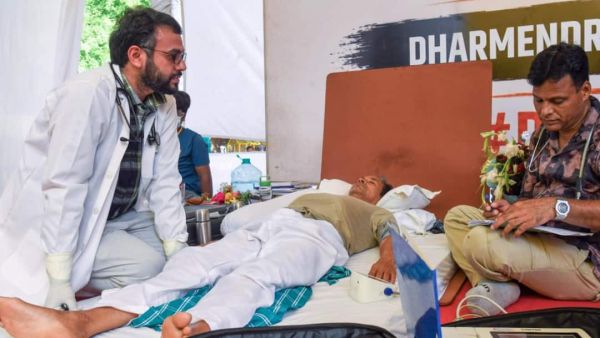
Sonam Wangchuk Fast: Concern is mounting over the health of activist Sonam Wangchuk after reports indicated that he has shed nearly 9 kg since beginning his hunger strike 19 days ago. While dramatic weight loss often grabs attention, doctors say the real concern lies deeper, in the physiological changes taking place inside the body during prolonged starvation.
Wangchuk is reportedly sustaining himself only on water as part of the protest. Medical experts note that the human body can endure brief periods without food, but fasting that stretches into weeks triggers a series of survival responses that can gradually begin damaging essential tissues and organ systems.
Weight Loss Is Only Part Of The Story
Doctors say the figure on the weighing scale does not fully reflect the seriousness of prolonged fasting. During the early phase, the body consumes readily available energy sources, including glucose circulating in the blood and carbohydrate reserves stored in the liver and muscles.
Once those supplies run out, the body shifts to a backup system, drawing energy from stored fat. This metabolic adjustment helps sustain life for longer periods, but it is not a permanent solution.
As starvation continues, the body is forced to search for alternative fuel sources. At that stage, it begins breaking down its own muscle tissue to keep critical organs functioning and maintain essential metabolic processes.
Experts warn that the loss of muscle is far more concerning than the loss of fat. It can reduce physical strength, impair normal bodily functions and signal that the body is operating under significant physiological strain.
What Happens During Weeks Of Water-Only Fasting?
According to doctors, extended fasting places increasing pressure on nearly every major system in the body. As muscle reserves decline, people may experience worsening weakness, fatigue and reduced mobility.
The impact can extend beyond skeletal muscles. The heart is also a muscle, meaning prolonged nutritional deprivation may affect cardiovascular function as well.
Other complications associated with long-term fasting include dehydration, low blood pressure, dizziness, electrolyte disturbances and episodes of low blood sugar. Medical professionals caution that these issues can escalate unexpectedly, even when a person continues to consume water.
In severe cases, prolonged starvation may increase the likelihood of abnormal heart rhythms, organ-related complications and loss of consciousness.
Why Doctors Fear The Recovery Phase
Health experts emphasise that the risks do not disappear once food is reintroduced. In fact, one of the most dangerous periods can begin after the fast ends.
After surviving for days or weeks in a state of starvation, the body adapts to operating with extremely limited nutrients. A sudden return to normal eating can overwhelm this delicate balance and trigger a condition known as refeeding syndrome.
This potentially life-threatening complication occurs when the body's metabolism rapidly shifts back to processing carbohydrates, causing sharp changes in crucial minerals such as phosphate, potassium and magnesium.
Such electrolyte disturbances can affect multiple organs and become medically dangerous if not carefully managed. For that reason, doctors recommend that nutrition be restarted slowly and under close supervision following prolonged starvation.
A Sign Of Significant Metabolic Stress
Experts say a water-only fast lasting nearly three weeks is fundamentally different from the short-term fasting practices many healthy individuals undertake. By the time someone has lost several kilograms in such a short period, the body has likely moved beyond relying solely on fat stores and has begun consuming muscle tissue to sustain vital functions.
That transition, doctors warn, is a clear indication that the body is under considerable metabolic stress, underscoring why prolonged hunger strikes require continuous medical monitoring, both during the fast and after it ends.
Disclaimer: The information provided in the article is intended for general informational purposes only. It is not a substitute for professional medical advice, diagnosis, or treatment. Always seek the advice of your physician or other qualified healthcare provider with any questions you may have regarding a medical condition
-
EC extends SIR timeline for Delhi, Punjab, Karnataka and Telangana

-
Delhi's Red Fort Closed to Public Ahead of Independence Day Celebrations

-
Assam Finance Minister Defends State's Borrowing Strategy Amid Opposition Criticism
-
Ramayana: Trailer gets the green light; video to be over 4 minutes long; receives 'U' certificate from CBFC..

-
US strikes Iranian missile sites as tensions escalate