Different mango varieties change color in different ways as they mature. Ataulfo mangoes, for example, develop a deep golden-yellow skin when ripe, while Keitt mangoes can remain green even when fully ready to eat, according to U.S. food publication Food & Wine.
Touch is therefore a better guide. Francisco Vargas, executive sous chef at Kona Village, A Rosewood Resort in Hawaii, recommends pressing the mango gently with the palm rather than the fingertips, which can bruise the fruit.
A ripe mango should give slightly under gentle pressure. “If the mango is just barely firm, it should be almost ripe, but an unripe mango will be very firm, almost rock-hard,” Vargas says.
|
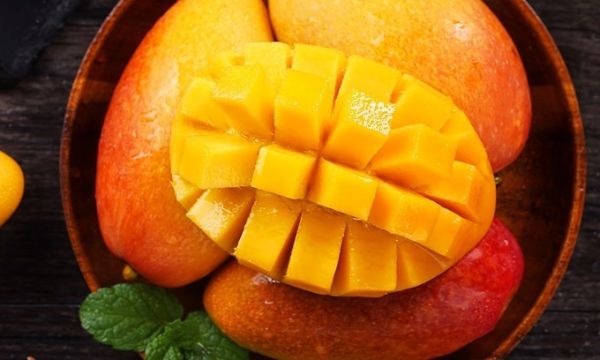
Ripe mangoes arranged on a plate. Photo from Xiaohongshu |
Smell is another useful sign. A ripe mango usually gives off a mild, sweet fragrance around the stem.
“Underripe mangoes will have a neutral or herbal smell, while overripe mangoes will have a sour or fermented smell,” Vargas says.
Mangoes continue to ripen after being harvested, so firm fruit can be bought and left to mature at home. Keep mangoes at room temperature until they soften slightly. Placing them in a paper bag can help speed up the process.
Once ripe, mangoes should be moved to the refrigerator to slow further ripening.
“Store it in the produce drawer of your refrigerator to prevent further ripening,” Vargas says. “It can stay this way for at least five days and gives you a cold, refreshing sweet snack at your fingertips.”
-
Send these special wishes, good thoughts and status to your loved ones on Jagannath Rath Yatra.

-
Grease, Flies, More Hygiene Lapses: 3 Popular Mumbai Eateries Lose Licenses After K Rustom

-
Vivo T5 Lite 5G Launch in India: Vivo’s new affordable phone with 6500mAh large battery and military-grade strength will be launched today.

-
India plays England in second ODI today – Tezzbuzz

-
IND vs ENG: Timing of India-England 2nd ODI changed, what time will the match start?