The real reason your skin feels greasy and dehydrated during monsoon
ETimes | July 15, 2026 10:39 PM CST

The monsoon weather dampens the sweltering summer heat to a certain degree, creating the troublesome mix of feeling both greasy and dry when exposed to the weather. So if you’re feeling sticky after being out for just a while and suffering from a dull, dry look? Then, no, it’s not an illusion. This is due to an unhealthy amount of humidity that causes excessive oil production, thus disturbing the skin's moisture level.
Steps you can take to fix it:
Use products that really help the skin barrier hold on
When the skin barrier is compromised, moisture tends to slip away even in humid weather. Try to look for ingredients like hyaluronic acid, glycerin, ceramides, and panthenol—these help pull in hydration and support barrier repair. Avoid harsh alcohol-based toners and any overly drying treatments. Honestly, a straightforward routine, consistent with hydration, is often more effective than layering too many products during the monsoon season.
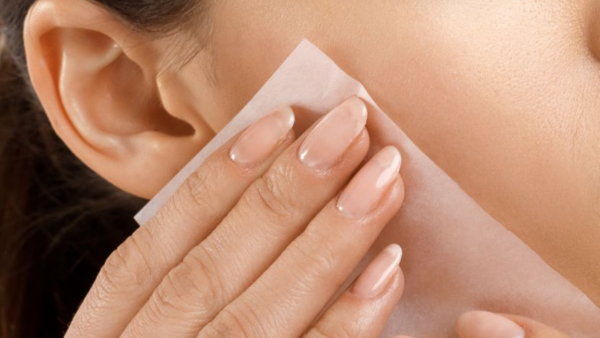
Heavy creams might make skin feel sort of uncomfortable
Many folks switch to thick moisturisers when their skin feels dry, but richer creams can trap sweat along with oil during muggy weather. That usually causes clogged pores and a shiny, greasy finish, even if it doesn’t actually fix the dehydration. A lighter gel or lotion with hydrating ingredients is often the wiser route. It helps the skin stay comfortable, brings moisture back, and cuts down on the heavy, sticky feeling that tends to show up during the rainy season.
Don’t Skip the Moisturiser Just Because Your Skin Feels Oily
One of the usual monsoon errors is to avoid moisturiser because your skin already feels greasy. But dehydrated skin tends to produce extra oil, as if trying to compensate for lost moisture, so it can actually feel stickier. Go for a lighter, gel-type or water-based moisturiser that hydrates gently without clogging pores. Put it on when your skin is just a little damp after cleansing so it can seal in moisture while your face stays fresh and comfortable for the day.
For better understanding, we asked Akanksha Sharma, CEO & Co-Founder of CITTA to throw some light on the topic, she said, “The high humidity during monsoon causes your skin to produce more sebum (oil), giving it a greasy appearance. However, oily skin and hydrated skin are not the same. While your skin may look moisturised due to excess sebum, it can still be dehydrated in the monsoon. To get rid of that greasy feeling, many of us wash our faces more often and even end up skipping moisturiser altogether.”
Another expert, Dr Pankaj Chaturvedi, co-founder and director at MedLinks Aesthetics, commented, "Every monsoon, the skin feels dry and oily at the same time. It confuses people a lot as to how the skin could have this duality at the same time. During the monsoon, dead skin cells mixed with sweat and extra oil can collect faster, and it may stop your hydrating products from getting absorbed properly. If you exfoliate once or twice a week using a mild chemical exfoliant, or even a gentle scrub, your skin texture usually looks smoother, and moisturizers can penetrate more easily. Just don’t go too far with it, because over-exfoliating can weaken the skin barrier and end up causing more dehydration instead of actually improving things.”

He further added, “Damp air stops sweat and oil from drying off the skin the way they would in normal weather, so it all just sits there. That's the oily part sorted. But that same damp air also stops moisturisers from locking onto water where it counts, deeper down. So the top stays wet and slick while the inside dries out. Skin notices the dryness and produces more oil to try to cover it.
There is one cause, but there are two symptoms. Though most people only see the oily one.
Which is why stronger face washes make things worse, not better.”
Concluding with some more tips, he said, “If you wash too much or use something harsh, then the oil gets stripped off. Skin just makes more of it. The dryness underneath gets worse, too. A mild cleanser, with no foam, twice a day is enough. Then a light, water-based moisturizer, something with hyaluronic acid or glycerin, since these actually pull water into the skin instead of coating it. Ceramides help too if the label has them; they fix the barrier instead of just hiding the problem for a bit.”
Steps you can take to fix it:
Use products that really help the skin barrier hold on
When the skin barrier is compromised, moisture tends to slip away even in humid weather. Try to look for ingredients like hyaluronic acid, glycerin, ceramides, and panthenol—these help pull in hydration and support barrier repair. Avoid harsh alcohol-based toners and any overly drying treatments. Honestly, a straightforward routine, consistent with hydration, is often more effective than layering too many products during the monsoon season.
Heavy creams might make skin feel sort of uncomfortable
Many folks switch to thick moisturisers when their skin feels dry, but richer creams can trap sweat along with oil during muggy weather. That usually causes clogged pores and a shiny, greasy finish, even if it doesn’t actually fix the dehydration. A lighter gel or lotion with hydrating ingredients is often the wiser route. It helps the skin stay comfortable, brings moisture back, and cuts down on the heavy, sticky feeling that tends to show up during the rainy season.
Don’t Skip the Moisturiser Just Because Your Skin Feels Oily
One of the usual monsoon errors is to avoid moisturiser because your skin already feels greasy. But dehydrated skin tends to produce extra oil, as if trying to compensate for lost moisture, so it can actually feel stickier. Go for a lighter, gel-type or water-based moisturiser that hydrates gently without clogging pores. Put it on when your skin is just a little damp after cleansing so it can seal in moisture while your face stays fresh and comfortable for the day.
For better understanding, we asked Akanksha Sharma, CEO & Co-Founder of CITTA to throw some light on the topic, she said, “The high humidity during monsoon causes your skin to produce more sebum (oil), giving it a greasy appearance. However, oily skin and hydrated skin are not the same. While your skin may look moisturised due to excess sebum, it can still be dehydrated in the monsoon. To get rid of that greasy feeling, many of us wash our faces more often and even end up skipping moisturiser altogether.”
Another expert, Dr Pankaj Chaturvedi, co-founder and director at MedLinks Aesthetics, commented, "Every monsoon, the skin feels dry and oily at the same time. It confuses people a lot as to how the skin could have this duality at the same time. During the monsoon, dead skin cells mixed with sweat and extra oil can collect faster, and it may stop your hydrating products from getting absorbed properly. If you exfoliate once or twice a week using a mild chemical exfoliant, or even a gentle scrub, your skin texture usually looks smoother, and moisturizers can penetrate more easily. Just don’t go too far with it, because over-exfoliating can weaken the skin barrier and end up causing more dehydration instead of actually improving things.”
He further added, “Damp air stops sweat and oil from drying off the skin the way they would in normal weather, so it all just sits there. That's the oily part sorted. But that same damp air also stops moisturisers from locking onto water where it counts, deeper down. So the top stays wet and slick while the inside dries out. Skin notices the dryness and produces more oil to try to cover it.
There is one cause, but there are two symptoms. Though most people only see the oily one.
Which is why stronger face washes make things worse, not better.”
Concluding with some more tips, he said, “If you wash too much or use something harsh, then the oil gets stripped off. Skin just makes more of it. The dryness underneath gets worse, too. A mild cleanser, with no foam, twice a day is enough. Then a light, water-based moisturizer, something with hyaluronic acid or glycerin, since these actually pull water into the skin instead of coating it. Ceramides help too if the label has them; they fix the barrier instead of just hiding the problem for a bit.”
READ NEXT
-
Chelsea criticised after deleting Enzo Fernandez post during England’s World Cup semi-final defeat to Argentina

-
Wangchuk fast Day 19: Political support grows, BJP silence questioned
-
Family of Hyderabad man stabbed in US appeals to MEA for help

-
Puri Rath Yatra: Crowd Surge Caught On Camera, Videos Show Injured On Stretchers

-
Top 10 | ABP LIVE Evening Bulletin: Top News Headlines from 16 July 2026 - Evening