
Lionel Messi and Argentina have emerged as the latest example in the internet's hero-to-villain pipeline, with millions of football fans desperately searching for an explanation behind the defending champions' relentless winning run.
Some have even called for Argentina to be banned from the World Cup, with online petitions attracting millions of signatures.
A growing number of football fans and neutral spectators have turned to conspiracy theories to explain the team's success rather than its football.
From refereeing controversies to lucky jerseys and viral memes, here are some of the wildest theories behind Messi's march to the top.
ArgenFifa
Perhaps the most prominent fan theory centres around Fifa's alleged favouritism.
Argentina's comeback against Egypt in the World Cup round of 16 became the focal point of online claims that the tournament was being "rigged" in favour of the defending champions.
Egypt, who squandered a 2-0 lead to lose 3-2, complained to Fifa, alleging biased officiating and calling for the match officials to be removed. Coach Hossam Hassan took it a step further and suggested Fifa wanted to keep Lionel Messi and the reigning champions in contention, fuelling speculation across social media.
Egypt had a goal ruled out after a VAR review for a foul in the build-up. The Egyptians also argued they were denied two penalty appeals before Argentina scored the winner.

Screen grab from social media
Although analysts called the officiating contentious, most stopped short of calling it evidence of a conspiracy. But the match became the catalyst for a wave of online theories, ranging from allegations of favourable refereeing to suggestions that Argentina had been handed.
The conspiracy theories also spawned a growing number of AI-generated memes, ranging from Fifa president Gianni Infantino embracing Messi in a Titanic-style romance to reading Messi bedtime stories, capturing what meme-makers believe is the off-the-pitch bond the two share that seems to guarantee Argentina's smooth sailing so far.
Soft Refereeing
More than six million people signed a petition demanding Argentina's removal from the World Cup after referee Ismail Elfath was appointed to oversee their semi-final against England - a decision that sent conspiracy theories into overdrive.
Elfath was labelled Lionel Messi's "favourite referee" because the Argentina captain had never lost a match under his officiating, boasting a perfect win record whenever the American official was in charge.
The appointment sparked a wave of outrage online, with one media report declaring England "might as well forfeit" the semi-final because Messi's "favourite referee" would help "dirty" Argentina advance.
Critics argued that Elfath's involvement was another sign of Argentina receiving favourable treatment, turning a routine refereeing appointment into a major controversy.
Red card immunity
Argentina's group-stage win over Algeria triggered another refereeing debate after Messi avoided a red card for a challenge on Algeria captain Aissa Mandi. With Argentina leading 1-0, Messi caught Mandi's calf and Achilles tendon with his studs, but Polish referee Szymon Marciniak chose not to brandish a red card.
Former Manchester City defender Nedum Onuoha was among those who felt Messi should have been sent off. "It should have been a red card in my opinion," he said. "Messi knew he did something that could have got him in trouble. I personally feel it is a red card."
US footballer Polarin Balogun was sent off for a similar foul against Bosnia and Herzegovina.
Algeria's football federation later filed a complaint to Fifa over what it called "refereeing injustice", further intensifying accusations from critics that Argentina were benefiting from favourable calls.
Eight penalties conspiracy
Eight penalties in seven games became one of the biggest pieces of "evidence" cited by conspiracy theorists who claimed Argentina's World Cup triumph was pre-arranged in Qatar.
Lionel Messi's side were awarded more penalties than any other team at the 2022 tournament, prompting online critics to argue that referees were tilting key moments in Argentina's favour. The spot-kicks became a recurring talking point, particularly in matches against Saudi Arabia, Croatia and France.
For sceptics, the penalty count was too striking to ignore, adding to claims that Fifa wanted Messi to complete his career fairytale.
Subsequent analysis of the decisions found that most penalties resulted from identifiable fouls inside the box, and there was no evidence that officials favoured Argentina. Despite that, the "eight penalties" narrative became one of the most persistent theories surrounding their World Cup win.
Easy route theory
Another theory surrounding Argentina's World Cup success focused on the strength of their opponents. Critics pointed to what they called a favourable route to the semi-finals, noting that Lionel Scaloni's side reached the last four without facing a single team ranked inside Fifa's top 15.
According to ranking comparisons since 1994, Argentina became the only World Cup semi-finalist to achieve that feat, with their opponents carrying an average Fifa ranking of 38.
Their toughest opponent before the semi-finals was Switzerland, then ranked 19th.
For conspiracy theorists, the numbers became another "clue" that the tournament was unfolding in Argentina's favour, alongside claims about refereeing decisions and penalties.
Lucky jersey theory
Argentina's decision to wear their dark blue away jersey against England in the World Cup semi-final has sparked a new wave of superstition-driven theories.
The shirt is tied to two of Argentina's most famous victories over England - the 1986 quarter-final, when Diego Maradona scored the "Hand of God" and the "Goal of the Century", and the 1998 knockout clash, where Argentina eliminated England on penalties.
For fans looking for signs that Argentina's title defence is "meant to be," the jersey choice has become another symbolic clue - a lucky charm with a history of ending England's World Cup dreams.
England manager Thomas Tuchel acknowledged the psychological pull of such traditions. "I would have done the same if there was any superstition combined with it," he said.
Argentina coach Lionel Scaloni said he did not request the kit and suggested it was simply tradition. Still, the dark blue shirt has added another layer to the growing mythology surrounding Argentina's World Cup run.
Hindu Temple theory
"Har Har Mahadev" has become the most unusual theory among the internet's explanations for Lionel Messi's World Cup performance.
Videos of the Argentina captain taking part in Hindu rituals during his 2025 India visit to Vantara have resurfaced, with fans joking that the prayers unlocked a new level of greatness.
Social media has been flooded with memes crediting "Indian blessings," "Sanatan power" and divine intervention for Argentina's success, presenting Messi's spiritual experience as a humorous "secret weapon" behind his performances.
While clearly shared in jest rather than as facts, the viral trend shows how fans around the world continue to create imaginative theories around Messi's success.
-
Mason Greenwood shares heartfelt farewell with Marseille fans after completing €39m transfer to Fenerbahce

-
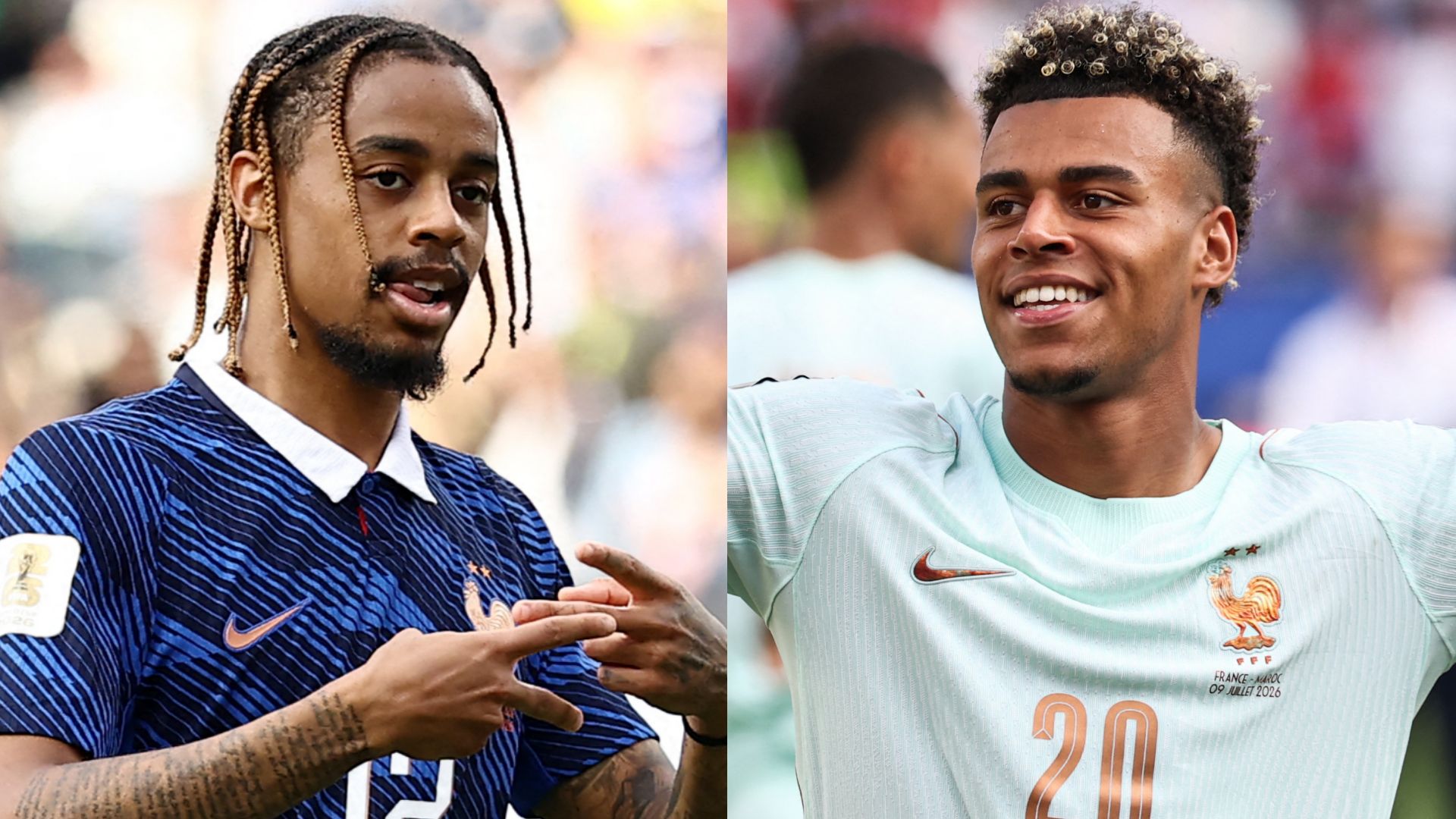
‘Sign one of them’ – Manchester United urged by 1999 Treble hero to target Bradley Barcola or Desire Doue as PSG stars attract Premier League interest
-
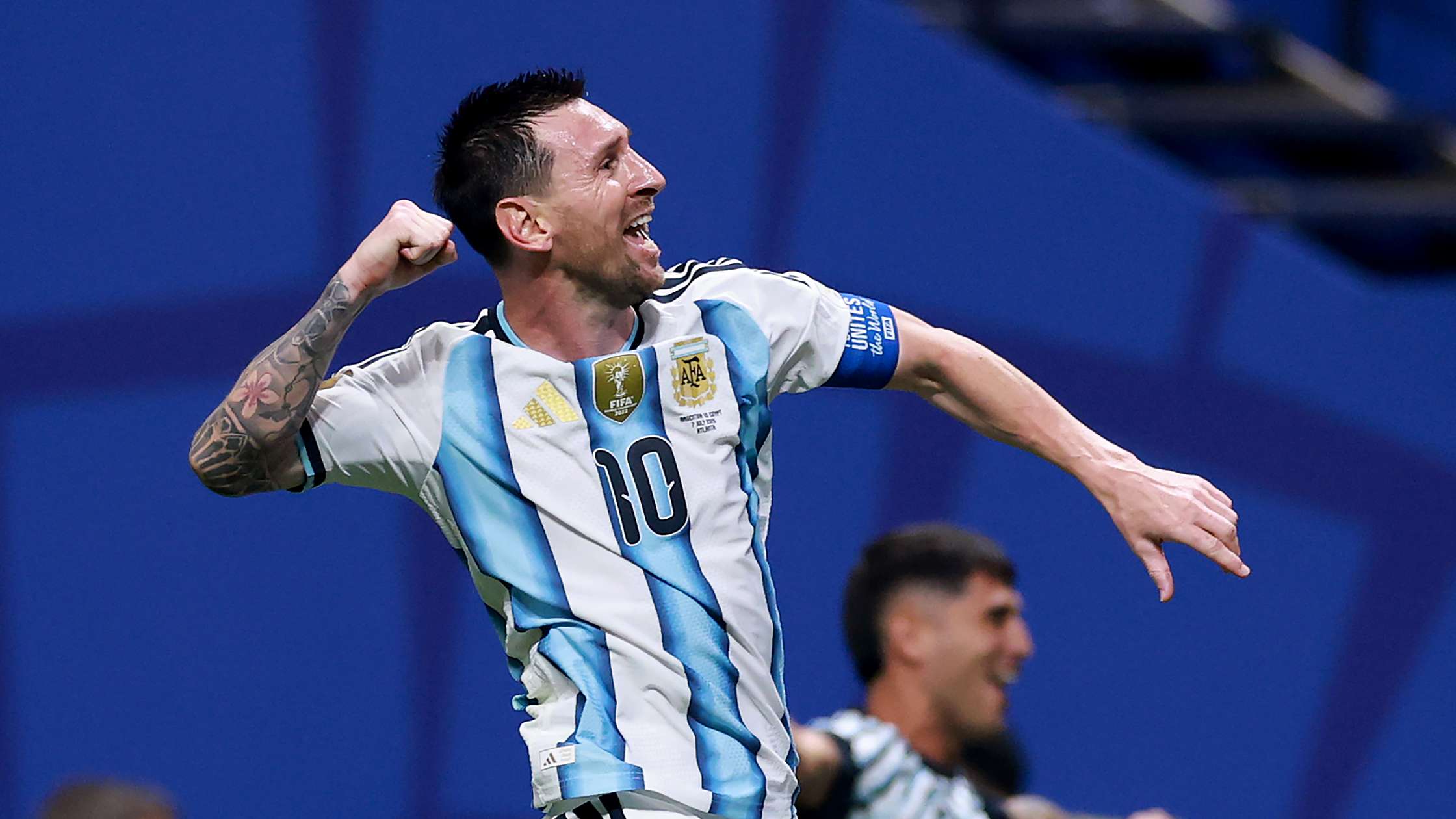
‘He switches into another gear’: Lionel Messi’s former Inter Miami teammates share insights on his big-match mindset before England showdown
-
India key EU partner for semiconductors due to skilled talent pool: European Commission VP

-
Rubio to chair global meet on far-left political terrorism on Thursday