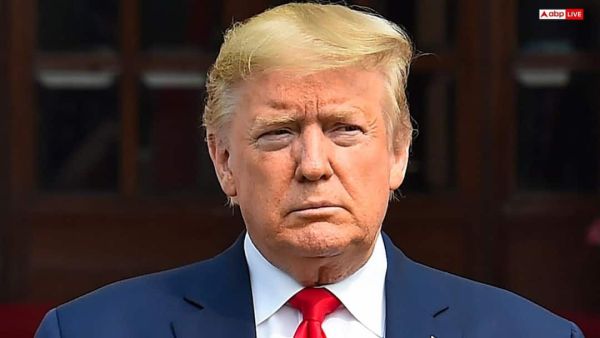
President Donald Trump has withdrawn his proposal to impose a 20% transit fee on vessels passing through the Strait of Hormuz, opting instead to pursue trade and investment agreements with Gulf nations.
The reversal came just a day after Trump unveiled the controversial shipping charge, which drew widespread criticism from analysts and the maritime industry. On Tuesday, July 14, 2026, Trump said the expected economic benefits from new Gulf investments in the United States would replace the revenue the proposed fee was intended to generate. However, he did not disclose the value of the investments or identify the countries expected to participate.
Trump's Shift From Transit Fee To Investment Deals
In a post on social media, Trump announced that the proposed 20% U.S. Reimbursement Fee would no longer move forward. Instead, he said Gulf nations would commit to trade and investment agreements benefiting the American economy.
According to Trump, the planned investments would be substantial and would also serve the long-term interests of the Gulf countries involved. While highlighting the anticipated economic gains, he stopped short of offering specific details on the agreements or their timeline.
Speaking to reporters later, Trump reiterated his opposition to imposing such a charge despite having proposed it a day earlier. He said, "I don't believe anybody should charge that fee," adding that he personally dislikes the concept of such a levy. At the same time, he argued that countries benefiting from the Strait of Hormuz should contribute more toward protecting the strategically important shipping lane.
Oil Markets React As Hormuz Policy Changes
Energy markets responded quickly to Trump's announcement. Crude oil prices initially slipped after news of the policy reversal before recovering later in the trading session.
Brent crude was trading at around $85 per barrel, roughly 2% above Monday's closing level by late Tuesday morning. The fluctuations reflected continued uncertainty surrounding developments in the Gulf region, where tensions involving Iran remain elevated.
The proposed transit fee had triggered concerns a day earlier that shipping costs could rise sharply, potentially increasing fuel prices for consumers in the United States. Those fears eased somewhat after Trump abandoned the proposal, although broader geopolitical risks continued to influence market sentiment.
Industry Experts Questioned the Proposal
Shipping experts, financial analysts and market participants had largely dismissed the proposed fee as impractical, arguing that implementing such a charge would be extremely difficult and could strain ties with key American allies.
Jay Hatfield, CEO of Infrastructure Capital Management, criticised the proposal before Trump reversed course, saying: "I think it's patently ridiculous and totally irrelevant. It's Trump nonsense."
Industry estimates suggested the proposed charge could have added nearly $30 million to the cost of a fully loaded supertanker transiting the Strait of Hormuz. Analysts also warned that such a move would affect oil-exporting Gulf nations as well as major Asian economies dependent on energy imports from the region.
-
The crucial statistic Spain must consider before facing Argentina 🎯

-
Leeds United file lawsuit against Leicester City over lost Premier League promotion, citing Foxes’ financial rule breach

-
Former PSG Defender Thomas Meunier Joins Sunderland on Free Transfer

-
Barcelona chief Joan Laporta praises Lionel Messi’s 'extraordinary' 2026 World Cup heroics with Argentina, shares thoughts on Lamine Yamal and Anthony Gordon performances

-
Cameras Capture Lionel Messi’s Emotional Reaction After Leading Argentina to World Cup Final