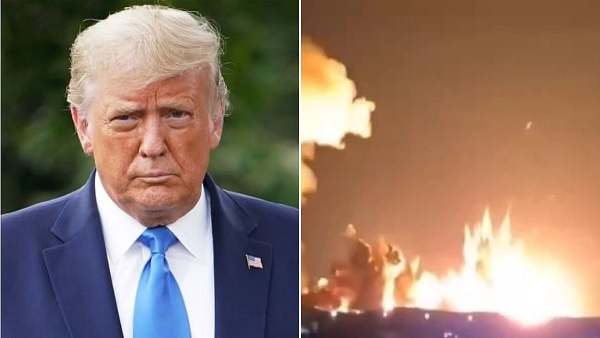
The US launched fresh strikes on Iran after President Donald Trump reinstated a blockade on the Strait of Hormuz and proposed charging ships for safe passage. Iran retaliated by attacking UAE-linked tankers and Bahrain, killing one Indian mariner and injuring eight others. The escalation has heightened Gulf tensions, raised fears of wider conflict and pushed oil prices higher.
Dubai: The US launched strikes on Iran early Tuesday morning, hours after President Donald Trump said Washington is "reinstating" a blockade on Iran in the Strait of Hormuz. Trump separately suggested the United States will charge other ships for safe passage, upending hundreds of years of American policy supporting freedom of navigation across the globe.
Iran responded with attacks targeting Bahrain and two tankers associated with the United Arab Emirates travelling through the strait, killing one mariner and wounding eight others. The Emirates threatened to retaliate against Iran, potentially drawing the nation home to Abu Dhabi and Dubai back into fighting with Tehran.
The attacks come as Iran and the US both vie for control of the strait through which a fifth of all crude oil and natural gas once passed in peacetime. The price of benchmark Brent crude oil rose to a one-month high of over USD 84 in trading early Tuesday, still well below the nearly USD 120 reached at the height of the war but threatening to make costs everywhere higher.
US Central Command announced on social media that the US military had begun another round of strikes against Iran.
-
Barcelona ready to offload Ferran Torres to avoid additional payout to Manchester City

-
Didier Deschamps Confirms Kylian Mbappe Fit for France’s World Cup Semi-Final Against Spain Despite Ankle Concerns

-
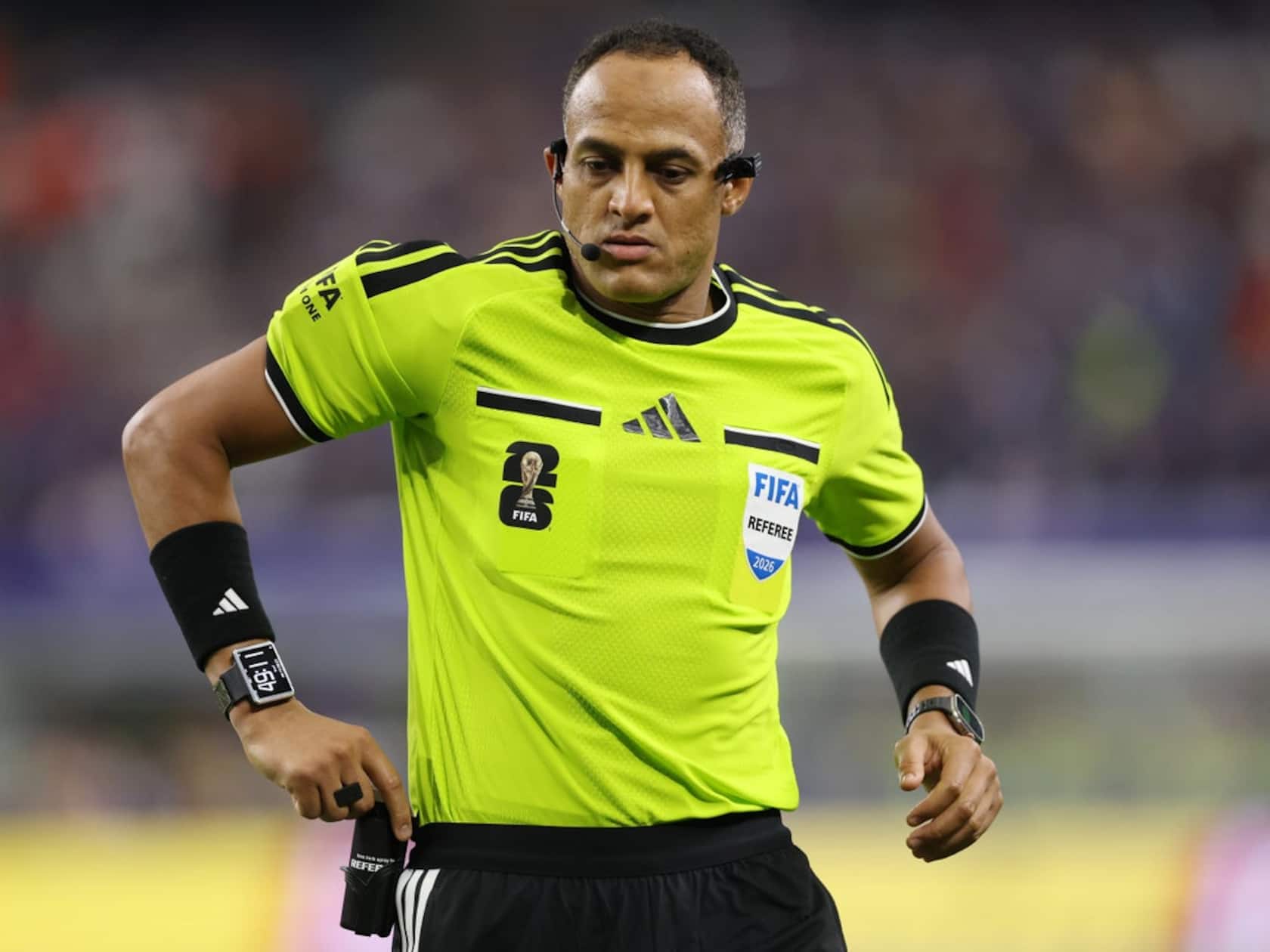
Ismail Elfath to officiate England vs Argentina World Cup semi-final in Atlanta
-
FIFA World Cup 2026 Power Rankings: The Final Four Emerge

-
Sivasagar District Sees Decline in Encephalitis Cases Amid State Surge