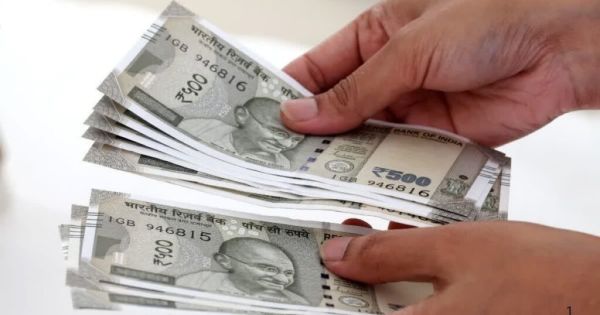
New Delhi. About 48.66 lakh central employees and about 66.55 lakh pensioners of the country are waiting for the next big announcement to the 8th Pay Commission. Overall, more than 1.15 crore beneficiaries may be affected by the recommendations of this commission. At present the Commission is collecting suggestions and data from various employee organizations and departments. The central government will take a decision on these after the final recommendations come.
Let us know those 5 big changes which are being discussed the most.
1. There may be a big increase in minimum basic salary
At present the minimum basic pay of central employees under the 7th Pay Commission is ₹18,000 per month. Employee organizations have proposed increasing it from ₹34,000 to ₹68,940 per month. If the government accepts even some part of these demands, then a big increase in the starting salary may be seen.
Current vs Proposed Salary
Current Minimum Basic Pay: ₹18,000
Demand for employees: ₹34,000 to ₹68,940
2. There will be a big change in salary due to increase in fitment factor.
The fitment factor decides how the old basic salary will be converted into the new pay scale.
Fitment Factor in 7th Pay Commission: 2.57
Demand of employee organizations: 2.86 to 3.83
For example, if the current basic salary of an employee is ₹18,000:
New Basic at 2.57 Fitment Factor approx ₹46,260
Approx ₹51,480 at 2.86 fitment factor
Approx ₹68,940 at 3.83 fitment factor
However, the final fitment factor will be decided by the Central Government.
3. Increase in HRA, TA and medical allowances also possible
The increase in basic salary has a direct impact on other allowances also.
Currently HRA is given in three categories:
X Category Cities: 30%
Y Category Cities: 20%
Z category cities: 10%
If the basic salary increases, the amount of HRA, Travel Allowance (TA), medical benefits and other allowances may also automatically increase. This can significantly increase the total monthly income of employees.
4. Possibility of getting arrears of 20 months or more
If the new pay scale is considered to be effective from January 1, 2026 and final approval is received in 2027, employees may get arrears of around 20 months or more. The amount of arrears will depend on the pay level of the employee. For employees with higher pay scales, this amount can reach lakhs of rupees.
5. Demand for relief from professional tax
The National Council (NC-JCM) has placed a demand before the Commission that central employees should be exempted from professional tax imposed by the states. If the government accepts this proposal, the monthly deductions of the employees may reduce and their real income will increase.
-
Hyderabad: Two women BLOs attacked during SIR exercise

-
NIA court issues non-bailable warrant against Hafiz Saeed

-
Video: ‘3 Idiots’ Chatur says he doesn’t want Sonam Wangchuk to die

-
Alarming Land Encroachment Issues in Indian Railways Revealed

-
Forgotten histories: Awadh-born Mir Aulad Ali's impact on 19th century Dublin