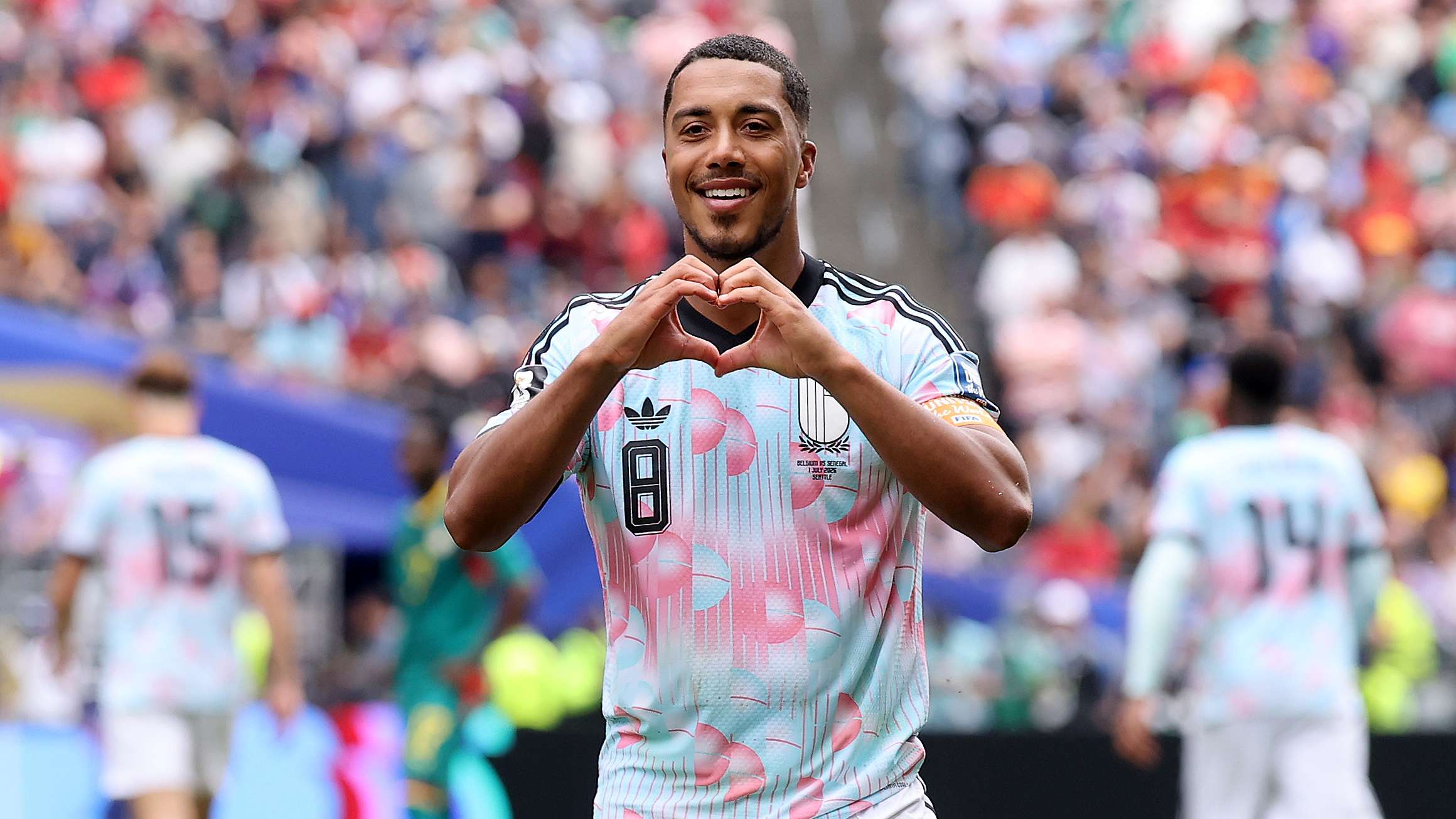
As France have glided through this World Cup, their dazzling front line playing with freedom and confidence, one issue has been quietly troubling Didier Deschamps. The French coach has even invited journalists to highlight his team’s weaknesses. Now, on the eve of their clash with Spain, that concern has turned into a real tactical dilemma.
The question confronting Deschamps is how France’s two-man midfield will cope against Spain’s trio. A team that has dominated every opponent so far might suddenly find itself outnumbered in the centre of the pitch.
Deschamps and his staff have debated whether to make tactical adjustments or trust their forwards to extend an already impressive record of 16 goals in six matches.
Spain, meanwhile, will stick firmly to their identity. They have displayed the most complete tactical blueprint at this World Cup, by a significant margin. Some analysts even argue that this structured system explains why Lamine Yamal hasn’t stood out in the same way as other breakout stars—because his team operates like a finely tuned club side. His responsibilities are clearly defined, and his relentless work often exhausts his double markers, many of whom have been substituted early in games.
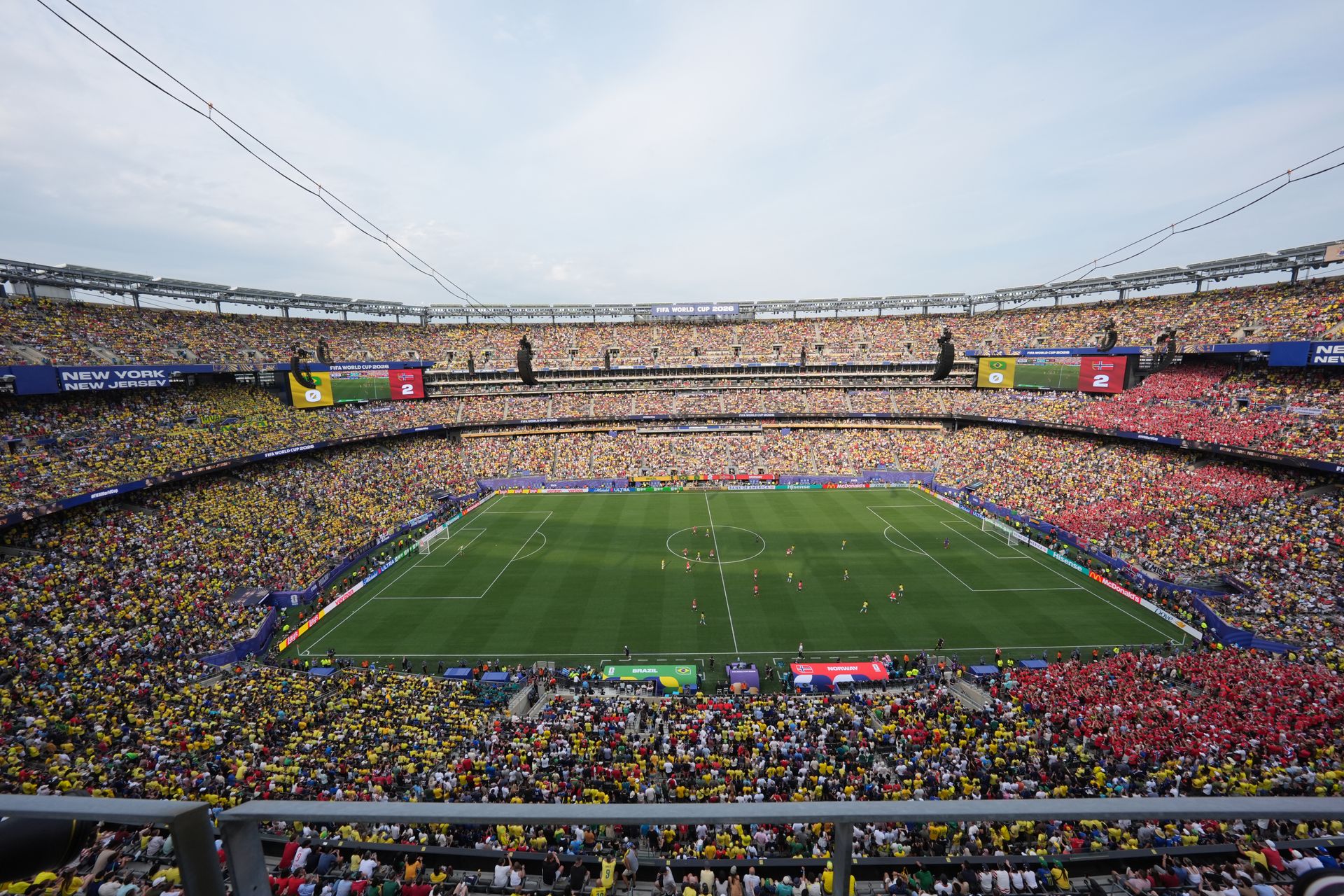
To deal with France’s blistering pace, Spain may drop their possession structure about 20 metres deeper, a move that has helped them concede just one goal so far. Their defensive solidity is complemented by a ferocious counter-press. On average, Spain regain possession 11.57 seconds after losing it—the fastest among all the quarter-finalists. Their energy is evident in how they swarm opponents immediately after turnovers, aided by the acoustics of enclosed stadiums. Yet, they defend primarily in advanced areas, leaving space behind for Kylian Mbappe and Ousmane Dembele to exploit.
Although this match pits the tournament’s best attack against its tightest defence, modern football ensures it’s far more complex than a simple duel between forwards and defenders. Spain will dominate possession high up the field, while Deschamps will unleash his attackers from deeper positions. The contest will be layered with tactical intrigue, illustrating how contrasting philosophies can coexist at the highest level.
More than just numbers, this encounter embodies a fascinating contrast: the most disciplined defensive record facing the most prolific attacking unit, though that’s only part of the story.
Beyond tactics, this is also a rivalry between two neighbouring nations with intertwined football histories. Adrien Rabiot’s old remarks about Yamal needing to “do more,” made before their Euro 2024 semi-final, have resurfaced, reigniting competitive tensions.
The two nations have frequently met in recent years, both becoming powerhouses of player development through very different pathways. In their last major meeting, the roles were reversed—Spain were seen as the adventurous, youthful side, while France appeared defensive and uninspired, prompting questions about whether Deschamps’ tenure had run its course.
Since then, much has changed. Spain’s most dynamic attackers have struggled with injuries, with Nico Williams only just returning. Their inability to stretch games has led to a more compact, sometimes overly cautious setup, sparking debate about whether they’ve become too “boring.”
France, conversely, have been rejuvenated by an influx of young talent since Euro 2024, emerging as the tournament’s entertainers. One of those players, Michael Olise, has risen into the global top five, while Desire Doue has become one of the brightest young prospects in world football. Bradley Barcola has transformed from an impact substitute into an effervescent starter, Dembele has earned Ballon d’Or honours, and Mbappe looks freer than ever.
Deschamps, pragmatic as always, has simply built around his strengths, creating arguably the most uncharacteristically attack-minded French team of his tenure. This has set up a true philosophical clash.
It’s a battle between two ideologies: Spain’s “positional play,” rooted in Pep Guardiola’s methods, and France’s more fluid, instinct-driven “relationism.” Spain’s movements are dictated by structured positioning relative to the ball—with limited exceptions for Yamal and Dani Olmo—while Deschamps allows his forwards far greater creative freedom.
It’s the tactical equivalent of an orchestra facing a free jazz band. The outcome could influence how football is played for years to come, though predicting which philosophy will prevail is far from straightforward.
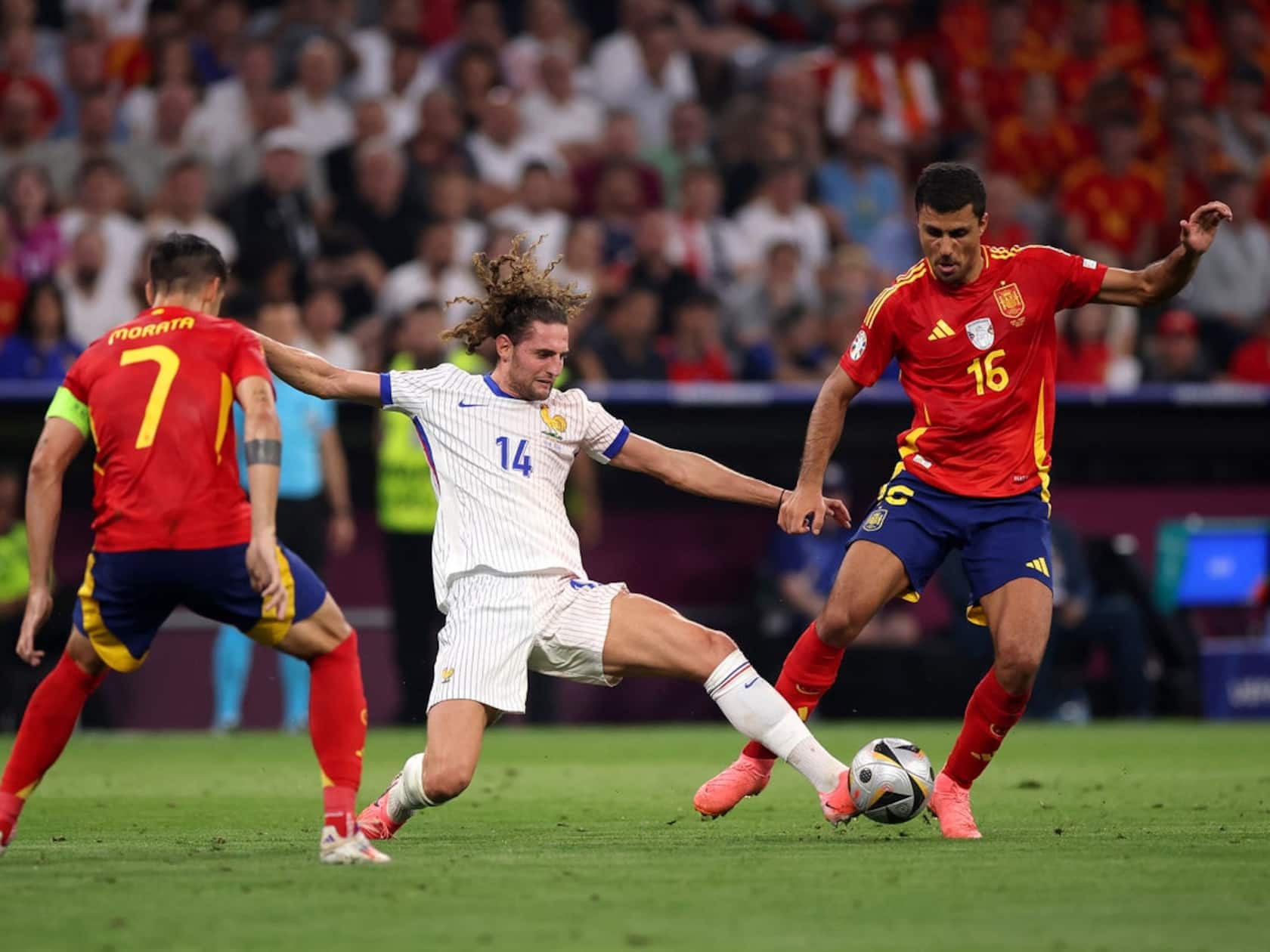
Much like Guardiola’s sides, no one replicates Spain’s positional structure quite like they do. And France’s approach would be far less potent without attackers of such extraordinary quality. Still, it’s fitting that the French are the first to challenge Spain’s ideology on such a grand stage. Their diverse talent pool—unlike the Spanish-Dutch mould adopted by Germany—offers variety but lacks a classic holding midfielder in the mould of Rodri.
Deschamps has compensated with a tireless two-man engine room of Rabiot and Aurelien Tchouameni, while Spain can afford to keep two natural number-sixes on the bench.
That’s why the burden lies with France to take the initiative, even though their attack has done the most damage throughout this World Cup. The rhythm of the match seems predictable: Spain will control possession and inch forward, while France will wait to spring on the counter.
Despite their defensive record, Spain’s backline hasn’t faced sustained pressure yet. Observers at the quarter-final in Los Angeles noted how Belgium exposed vulnerabilities, particularly after Charles De Ketelaere ended Unai Simon’s clean sheet streak. Yet Spain responded by calmly continuing their game plan.
They will need to do the same against France, maintaining composure and possession to deny their opponents’ dangerous forwards the ball.
For all the talk of attack versus defence, this encounter promises to be far richer tactically. It could ultimately prove to be the most influential World Cup match of the modern era.
-
Official: Paulo Dybala Extends Roma Contract Until 2027
-
Lewis Hall’s Growing Interest in Joining Manchester United Explained
-
NSUI Organises 'Run Against Paper Leak' Marathon In Jaipur Under 'Chhatron Ki Goonj' Campaign
-
Who Is Expected to Officiate the World Cup Final?
-
Manchester United to finalise surprise signing of Youri Tielemans after activating £35m release clause in Aston Villa midfielder’s contract