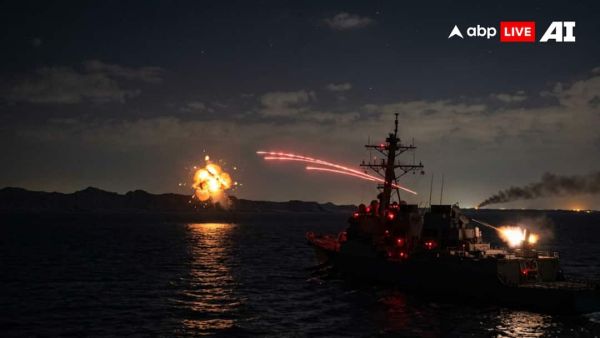
The United States and Iran exchanged fresh missile and drone attacks on Sunday, with Tehran targeting US facilities across the Gulf and announcing a renewed closure of the Strait of Hormuz, further escalating tensions in the region.
The latest round of hostilities has cast fresh uncertainty over an interim US-Iran agreement signed last month, which was intended to reopen the strategic waterway and pave the way for a 60-day negotiation process aimed at ending the conflict.
Iran Expands Attacks Across Gulf
Iran launched missile and drone attacks against US-linked facilities in several Gulf states, extending strikes to Qatar, which has been mediating ceasefire efforts, Reuters reported.
The United Arab Emirates also reported intercepting Iranian missiles and drones, marking one of the most significant escalations since fighting intensified earlier this year.
The attacks reflected Tehran's continued effort to assert control over shipping through the Strait of Hormuz, one of the world's busiest energy transit routes.
US Responds With Fresh Airstrikes; Trump Says 'We're Beating Them Up'
The US military launched another round of strikes against Iranian targets on Sunday evening.
US Central Command (CENTCOM) said the operation aimed to further degrade Iran's ability to target civilian vessels and commercial shipping transiting the Strait of Hormuz.
CENTCOM spokesperson Tim Hawkins said US aircraft intercepted and destroyed an Iranian cruise missile and a one-way attack drone during the operation.
US President Donald Trump briefly commented on the military action during a phone interview with Reuters. "We're beating them up," Trump said.
The president has repeatedly maintained that the ceasefire reached last month is effectively over, while continuing to leave the door open for future negotiations with Tehran.
Iran Blames US For Failed Diplomacy
Iranian state media reported explosions and missile strikes around the strategic port cities of Sirik and Bandar Abbas, as well as Qeshm Island, which hosts military installations near the Strait of Hormuz.
Iran's Foreign Ministry condemned what it described as "aggressive" US attacks and accused Washington of undermining diplomatic efforts.
The ministry said talks held in Muscat on Saturday between Iranian and Omani officials on managing navigation through the Strait of Hormuz failed because of what it described as overt and covert US pressure on Oman.
Iran's top negotiator, Mohammad Baqer Qalibaf, also signalled a tougher negotiating stance. "The era of one-sided deals is OVER. We told you: keep your word or pay the price. Reality is knocking," he said.
Hormuz Closure Raises Global Energy Concerns
Iran said it had again closed the Strait of Hormuz after warning that vessels would not be allowed to transit the waterway without its authorisation.
Tehran claimed it had fired a warning shot at a vessel travelling on an unauthorised route on Saturday before disabling another vessel on Sunday.
The Strait of Hormuz previously handled nearly one-fifth of global oil and liquefied natural gas shipments. The renewed disruption has heightened concerns over global energy supplies, pushed oil prices higher and increased fears of further inflation, particularly in fuel markets.
The renewed violence comes as the conflict, which began after US and Israeli strikes on Iran on February 28, continues to destabilise the Gulf region despite ongoing diplomatic efforts.
-
Cancer Tarot Horoscope Today, July 13, 2026: Will skillfully move ahead on multiple fronts, may take key decisions

-
Capricorn Daily Horoscope Today (Dec 22 - Jan 19), July 13, 2026: Stay Consistent, Health Will Remain Steady

-
Leo Daily Horoscope Today (Jul 23 - Aug 22), July 13, 2026: Achievements Ahead, Confidence Will Shine

-
Pisces Daily Horoscope Today (Feb 19 - Mar 20), July 13, 2026: Keep Ego in Check and Avoid Pressure

-
Leo Tarot Horoscope Today, July 13, 2026: Will move forward confidently in finances, home environment will stay cheerful