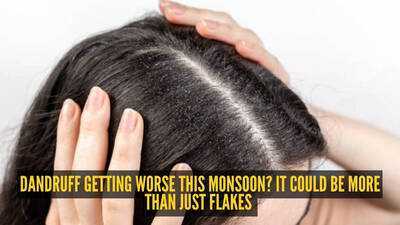
In the monsoon due to humidity , sweating and moisture disrupts the natural balance of the scalp. Monsoon comes with several scalp concerns as humidity makes the scalp oily. The environment encourages the overgrowth of Malassezia, more bacterial or fungal growth which triggers Dandruff and seborrheic dermatitis .
Dandruff characterised by fine white flakes, itching, no redness. Seb dermatitis causes oily yellowish scales, redness and itchiness. Seborrheic Dermatitis is different from dandruff. It's inflammatory condition is present with redness, greasy yellowish scales present with itchiness, and irritation. It may extend beyond the scalp involving eyebrows, eyes, ears and nose. Persistent itching, redness, flakes might not all the time be dandruff but need to differentiate with other conditions like psoriasis, eczema, fungal infections. It requires accurate diagnosis and treatment. Otherwise it can worsen the scalp condition which leads to hair fall and long term discomfort
Aggravating factors are stress, hormonal changes, lack of sleep, weak immune response. In this monsoon people sweat more so reducing the frequency of hair wash may cause more dandruff and if washing more with harsh products may disturb the scalp barrier, so need to understand the balance of scalp is important. Moreover in urban cities if scalp gets wet due to rain then it's advisable to wash immediately with mild shampoo after reaching home because it contains dust, pollutants and microbes, which encourage fungal growth and itchiness in the scalp. Dr. Shilpa Patil, MD, Dermatologist, Director of Ethoski Cosmetology Clinic shares insights on the same.
To prevent this, always use anti dandruff shampoos containing ketakonazole,zinc pyrithione, ciclopirox or selenium sulphide. Maintain hygiene by washing with mild shampoo. Keep shampoo for 3-4 min on the scalp before rinsing so it will give better benefits. Dry your scalp after washing your hair. Avoid keeping hair tied while wet. Avoid applying oil overnight on the scalp, it may increase fungal growth. Eat food which contains vitamins, proteins, zinc and antioxidants with good hydration.
Prevention is the best way to avoid symptoms. A healthy scalp is the foundation of healthy hair. Monsoon related scalp problems are more common but we can manage with proper hygiene, with medical intervention, medicated shampoos. Ignoring dandruff can lead to seb dermatitis which is an inflammatory condition, so we need to break this vicious cycle with proper diagnosis and treatment.
-
Petrol, Diesel Prices Today: Fuel Rates Rise Slightly in Key Cities on July 13; Check Latest Prices

-
Cricket stars reached Wimbledon, Suryavanshi was seen in suit and boots, Abhishek Sharma was seen with Guru Yuvraj. Wimbledon 2026 Final Indian Cricketers Vaibhav Suryavanshi Abhishek Sharma Yuvraj Singh Stylish Look Center Court Photos Photoshow

-
A mountain of sorrow fell on Laxmikant-Pyarelal’s Pyarelal, wife Sunila Sharma passed away. Pyarelal Sharma Wife Sunila Sharma Death Last Rites Family Emotional Note Indian Idol

-
Mumbai Latest Weather Update: Humid Day Ahead With Light Rain and Thunderstorms Likely
-
Voter ID New Rules: Big change for new voters! Now voter card cannot be made without SIR details of parents. Voter ID New Rules Parents Sir Details Mandatory For Online Registration Form 6