After trying the grilled fish with cham cheo (herb dipping salt) at Nguyen Quynh Lam’s restaurant in Melbourne, Australia, a local paused for a moment before asking: “What is that smell?”
The guest said the flavors were unlike any Vietnamese food they had encountered before. This is hardly surprising since northwestern food is considered exotic even in the rest of Vietnam.
The question comes up often at Duong Melbourne, where 38-year-old Lam serves up the cuisine of Vietnam’s northwestern highlands.
|
Grilled fish with cham cheo herb dipping salt is served with sticky rice at Duong Melbourne. Photo courtesy of Quynh Lam |
Lam left Vietnam for Melbourne in 2014. She had no trouble finding pho, banh mi, and other Vietnamese staples, but her childhood favorites from Son La, like grilled meat with cham cheowere unavailable.
“Some dishes feel ordinary back home, but when you’re overseas and can’t find them anywhere, you realize how much they mean,” she says.
In 2017, she decided to open an eatery with around 10 tables.
“I was not sure whether guests would embrace dishes they had never even heard of,” she admits.
“But I believe every regional Vietnamese cuisine has its own value and deserves to be shared with the world.”
Starting in the food industry was not the hard part for her; what kept her up at night was the ingredient problem.
Spices like mac khen (wild pepper) and hat two (magnolia seed) had to be shipped to Australia from northern Vietnam. Import costs, storage, and quarantine rules made them more expensive.
Many ingredients were seasonal and scarce at times, forcing the restaurant to adjust the menu. For example, their flowers (mountain ebony blossom) salad is only available early in the year.
“I prioritize quality and flavor over selling at any cost,” Lam says.
|
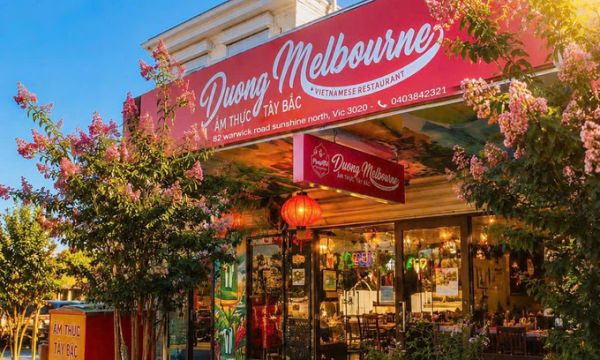
A view of Nguyen Quynh Lam’s Duong Melbourne restaurant. Photo courtesy of Quynh Lam |
Over the decade, the eatery has grown into 500-square-meter restaurant, with 12 staff and 200 covers.
The space is decorated with brocade textiles, bamboo and rattan pieces, and details inspired by the northwestern highlands.
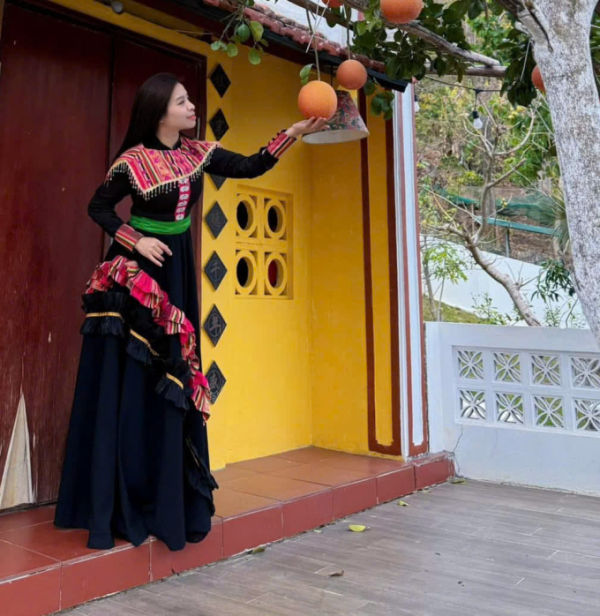
On special occasions, staff wear traditional Thai or Hmong clothing to welcome guests.
On a typical day, the restaurant serves 150-200 customers; on weekends and holidays, that number can double.
Around 30% of diners are whites, with the rest being Vietnamese and other Asians.
The menu has some 30 dishes, the standout of which is the Tay Bac grilled platter, featuring pork, beef, chicken, or fish served with cham cheo sauce.
Other highlights include fried fish, not yum (fermented pork with rice powder), and hotpot.
Guests trying spices like mac khen and cham cheo for the first time are often curious.
“Some people ask what kind of pepper this is, and say the aroma is unlike anything they know,” Lam says.
On request, the kitchen can tone down the spiciness while keeping a dish’s core ingredients.
 |
|
Staff wear traditional clothing of northern Vietnam’s Thai or Mong ethnic groups on special occasions. Photo courtesy of Quynh Lam |
Some guests linger after food to talk about what they have just eaten. A few overseas Vietnamese are moved to reminisce about their time back home.
Lam says: “Some guests say the food reminds them of family meals from years ago. For me, that means more than any business success.”
She plans to open a coffee shop and Vietnamese dessert place in Melbourne alongside the restaurant.
“I want a place where guests can sit a little longer after their meal,” she adds.
-
England vs India 5th T20I LIVE: Toss Delayed As Team India Is Stuck In Traffic In England

-
ABP LIVE Doc Talk Can Monsoon Trigger Brain Infections? Neurologists Explain Rare But Dangerous Risks

-
Punjab Congress Feud Escalates Despite Baghel's Constant Efforts

-
Roma set €55m price tag for Manchester United target Manu Koné as Matias Soulé’s agent holds talks with Sunderland and Fulham

-
Only One Can Survive! Football Braces For Explosive Kane vs Haaland Showdown In FIFA World Cup 2026 Quarter-Final