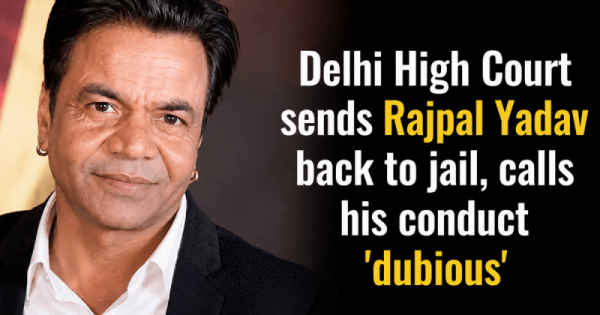
All is not well again in Rajpal Yadav’s life. The actor, who was recently out on bail and was seen promoting his upcoming film Welcome to the Jungle with Akshay Kumar, has suffered a legal setback.
On Friday, the Delhi High Court upheld Rajpal Yadav’s conviction in a Rs 9 crore cheque bounce case, calling his conduct “dubious” and directing authorities to send him back to jail.
Delhi HC upholds Rajpal Yadav’s conviction in cheque bounce case, cuts jail term to 3 months
According to reports by Bar and Bench, Justice Swarana Kanta Sharma dismissed the petitions filed by Rajpal Yadav and the other accused challenging the trial court’s conviction. The High Court also directed the actor to pay more than Rs 1 crore to the complainant in each of the seven cases, while clarifying that around Rs 2 crore already paid by Yadav would be adjusted against the dues.
All you need to know about the case
The case stems from a Rs 5 crore loan that Rajpal Yadav and his wife, Radha, took in 2010 from Delhi-based M/s Murli Projects Pvt Ltd to finance his directorial debut, Ata Pata Laapata. After the film failed at the box office, the couple allegedly defaulted on repayments. With interest and penalties, the outstanding liability eventually increased to nearly Rs 9 crore.
In April 2018, a magistrate court convicted Rajpal Yadav and his wife under the Negotiable Instruments Act and sentenced them to six months’ imprisonment. The conviction was upheld by a sessions court in 2019, following which Yadav approached the Delhi High Court.
In June 2024, the High Court suspended his sentence to allow him time to settle the dues, urging him to take “sincere and genuine measures” to repay the amount. However, after repeatedly failing to honour the payment schedule, the court directed him to surrender earlier this year.
On February 16, the court again suspended his sentence after he deposited Rs 1.5 crore in the complainant’s bank account. A month later, it stayed his imprisonment after noting that he had made a “substantial” payment. Yadav’s counsel informed the court that Rs 4.25 crore had already been paid to the company and an additional demand draft of Rs 25 lakh had also been submitted. Taking note of the payment, the court deferred his jail term.
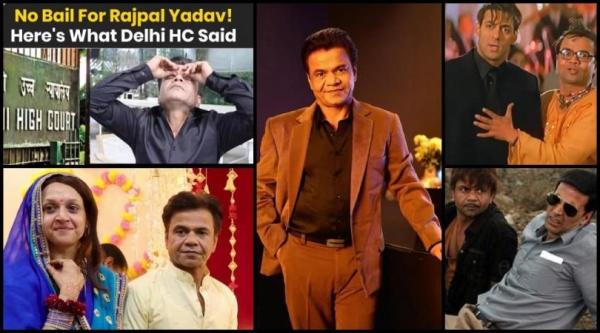
However, in its latest judgment, the High Court noted that despite repeated assurances and several opportunities, Yadav failed to honour his undertakings to repay the complainant. The court upheld the conviction but reduced the earlier six-month sentence imposed by the trial court to three months. It also clarified that the Rs 2 crore already paid by the actor would be adjusted against the dues and granted him two months to approach the appellate court against the decision.
A detailed copy of the judgment is awaited.
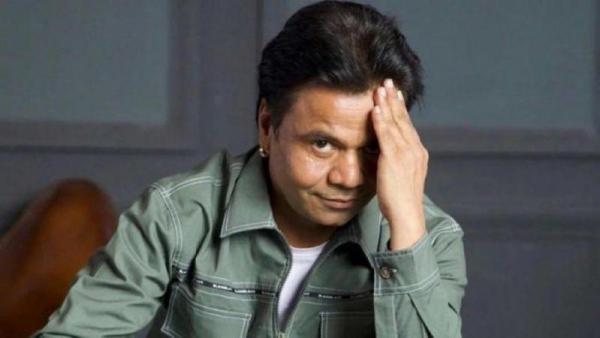
Here’s how Rajpal can avoid returning to Tihar jail
Supreme Court Appeal: He can immediately file a Special Leave Petition (SLP) in the Supreme Court of India to challenge the High Court’s conviction.
Application for Bail & Stay of Sentence: Alongside the appeal, his lawyers can seek an interim suspension of the sentence. If granted by the Supreme Court, his arrest and jail term will be put on hold while the apex court reviews the merits of the case.
Out-of-Court Compounding (Settlement): Under Section 138 of the Negotiable Instruments Act, cheque bouncing is a “compoundable offence”. Even at this late stage, if Yadav manages to arrange the funds and the complainant agrees to a mutual monetary settlement, the Supreme Court has the power to quash the criminal proceedings and the jail term.
-
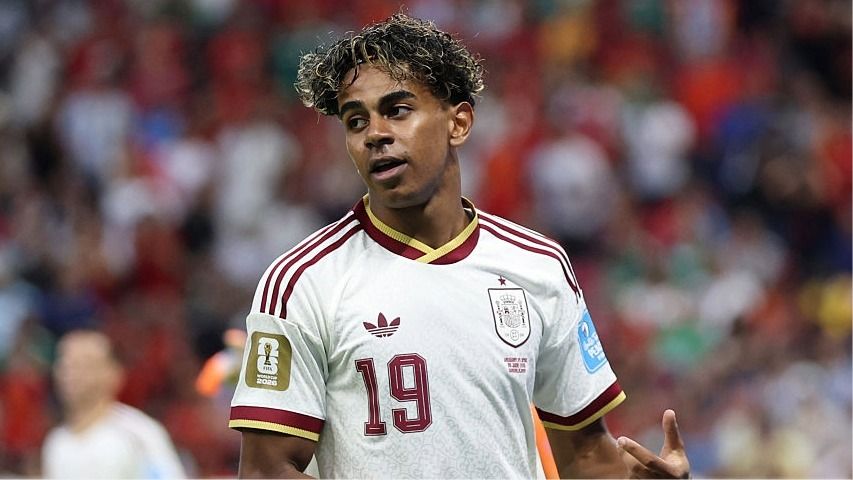
Spain vs Belgium preview: Will Lamine Yamal finally shine on the grand World Cup stage?
-
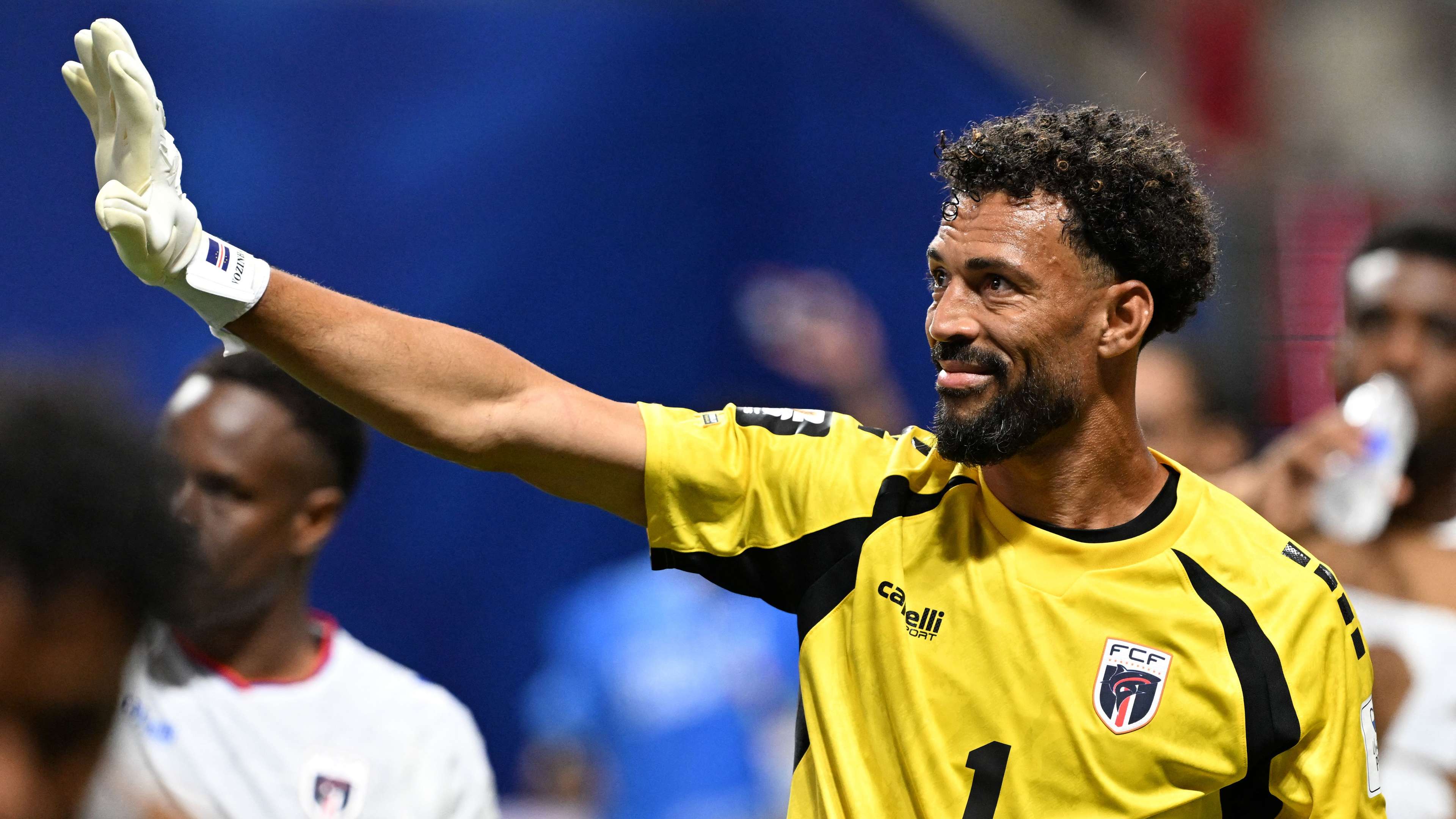
New Marine Species Named in Honour of Cape Verde’s World Cup Star Vozinha
-
Skin Care Tips: Want a Natural Glow? Forget creams worth thousands of rupees! Follow these simple tips

-
Monsoon Health Tips: Do you fall ill again and again during monsoon? Are there any shortage of these 5 things in your plate?

-
Attention Google users! Change in rules of 15GB free storage, what is the company’s new policy? Read in detail