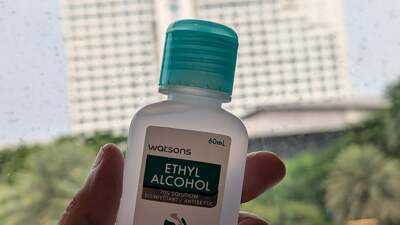
The Centre has withdrawn a long-standing licensing exemption for medicinal formulations containing more than 12 per cent ethyl alcohol, bringing them under tighter regulatory control in a move aimed at curbing misuse and preventing their diversion for intoxication.
Under the revised rules, medicinal products containing more than 12 per cent volume-by-volume ethyl alcohol and sold in quantities exceeding 30 ml will no longer be eligible for exemption under Schedule K of the Drugs Rules, 1945. Instead, they will require licences under the Drugs and Cosmetics Act, 1940, and will be shifted to Schedule H1, making them prescription-only products subject to stricter record-keeping and sale conditions.
Officials said the decision was taken after concerns were raised about the misuse of certain medicinal preparations that remain exempt from licensing despite containing very high concentrations of alcohol. These include some aromatic and spice-based formulations, such as tinctures containing cardamom, ginger and similar ingredients, where the alcohol content can be as high as 80 to 90 per cent by volume.
The health ministry said references had also been received from some state governments flagging the issue. It added that the amendment was intended to ensure such products were supplied only through the regulated pharmaceutical chain and not diverted for non-medical consumption.
Centre tightens controls on Pregabalin amid rising misuse concerns“The amendment is expected to strengthen regulatory oversight over those medicinal products containing alcohol, ensuring their supply only through the regulated pharmaceutical supply chain,” the ministry said. It added that the move would reduce the risk of diversion and misuse while allowing genuine therapeutic use to continue.
Sources said the changes target a specific provision under Schedule K that had been misused in some parts of the country. That exemption allowed certain preparations containing ingredients such as cardamom, ginger and other spices to remain outside the prescribed limits on alcohol content, even when sold as medicinal products.
According to officials, the result was that some formulations with alcohol content of up to 80 per cent continued to be marketed under the cover of medicinal use without facing the licensing and oversight requirements applicable to other alcohol-based products.
The amendment is also aimed at bringing greater consistency to the regulation of medicines containing ethyl alcohol. Existing rules already prescribe limits for several traditional systems of medicine. Under Rule 161, Ayurvedic, Siddha and Unani syrups may contain up to 16 per cent alcohol, while Rule 106B caps alcohol content in homoeopathic medicines at 12 per cent.
Officials said the latest changes make it clear that medicinal preparations containing more than 12 per cent ethyl alcohol can no longer claim exemption under Schedule K merely because they contain ingredients such as cardamom, ginger or other spices.
The ministry said the move was part of the government’s broader effort to tighten drug regulation, promote the rational use of medicinal products and safeguard public health. A gazette notification detailing the amendments has been issued.
With PTI inputs
-
Bajrang Dal burns Aamir Khan’s effigy over Gauri Spratt marriage
-
Hyderabad: 4-year-old student injured after being hit by teacher

-
Assam: Any man practising polygamy to lose govt jobs, benefits
-
Phone calls from 1600 number series cannot be blocked: Trai

-
Watch: Nagarjuna’s son breaks down, falls at father’s feet