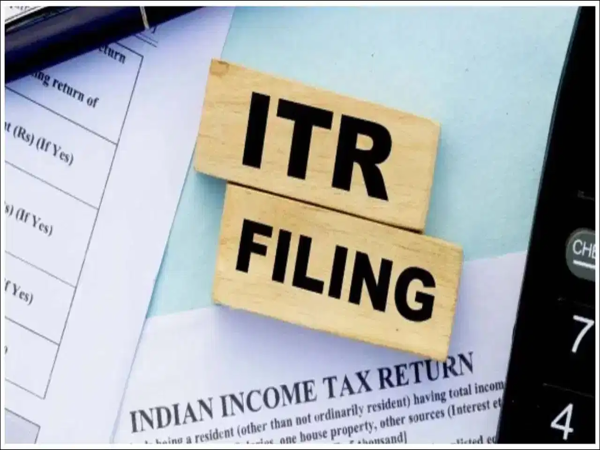
Tax filing season is here, and taxpayers are exploring every possible option to save their hard-earned money. If you or your parents are over 60 years of age and do not have any form of health insurance (mediclaim), there is no need to worry. The Income Tax Department offers a direct tax deduction of up to ₹50,000 for medical expenses incurred. Senior citizens receive this benefit under Section 80D of the Income Tax Act. However, to avail of this excellent deduction, it is crucial that you file your ITR under the 'Old Tax Regime.' Taxpayers opting for the 'New Tax Regime' will not be eligible for this benefit.
**Which expenses qualify for this tax deduction?**
Section 80D primarily offers tax-saving opportunities on three types of expenses: health insurance premiums, medical expenses for uninsured elderly individuals, and preventive health check-ups. Senior citizens without health insurance can claim a deduction of up to ₹50,000 for treatment, medicines, and hospital bills. Additionally, there is a provision for a separate deduction of up to ₹5,000 for preventive health check-ups.
Let’s understand this with an example. Suppose a 65-year-old individual does not have an insurance policy and spends ₹45,000 on medical treatment during the year; they would be eligible for a tax deduction on the entire ₹45,000. However, even if their medical expenses amount to ₹90,000, the deduction remains capped at ₹50,000 as per income tax rules.
**Children also get an opportunity to save tax**
This rule is not limited to the elderly alone. If a taxpayer's parents are aged 60 or older, do not have a medical insurance policy, and their medical expenses are being borne by their children, then those children can claim this tax deduction under Section 80D in their ITR. The key point to note is that the tax exemption applies only to medical bills paid during the relevant financial year.
**Paying in cash could lead to a significant loss**
People often pay hospital or pharmacy bills in cash, but this mistake can prove costly when trying to save on taxes. According to the rules, if you pay for medical treatment in cash, you will not receive any tax exemption under Section 80D. Payments must be made via bank account, cheque, UPI, or other digital modes. However, the Income Tax Department has provided some relief for preventive health check-ups; expenses up to ₹5,000 for these check-ups can be paid in cash.
**Remember these ITR dates to avoid penalties**
You can avail of the tax exemption benefit only if you file your return on time. The Income Tax Department has set specific deadlines for different categories of taxpayers. Missing the deadline can result in hefty penalties and interest:
**ITR Form Category** | **Filing Deadline**
ITR-1 and ITR-2 (Salaried individuals and general taxpayers) | 31 July 2026
ITR-3 and ITR-4 (Businesses not requiring audit) | 31 August 2026
ITR-3 and ITR-4 (Cases requiring audit) | 31 October 2026
Businesses involving transfer pricing | 30 November 2026
Belated (late) return | 31 December 2026
Revised return | 31 March 2027
Updated return (ITR-U) | Between 1 April 2026 and 31 March 2030
Disclaimer: This content has been sourced and edited from TV9. While we have made modifications for clarity and presentation, the original content belongs to its respective authors and website. We do not claim ownership of the content.
-
Rudi Garcia: Belgium Won’t Focus on Stopping Lamine Yamal but Will ‘Fight Tooth and Nail’ to End Spain’s Flawless World Cup Run

-
West Ham United secure signing of ex-Aston Villa striker Ebony Salmon

-
Ram temple funds row: Congress seeks SC-monitored probe
-
Rs 3.5 cr hero launch promise lands Telugu director in trouble
-
Tom Holland: No one brings energy like Indian audience