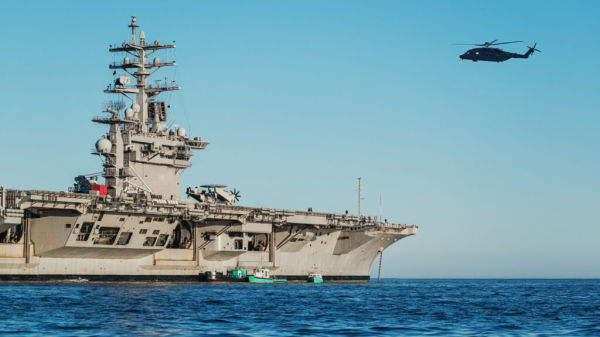
The United States Navy’s main mission is to protect the country at sea, including deterring opponents from attacking the United States, intelligence gathering with units like the Secret Service, and maritime security. As conflict continues around the world and other naval powers deploy additional warships, the U.S. Navy has announced an aggressive shipbuilding plan to expand its fleet in hopes of maintaining its enormous naval forces. In fact, the U.S. has such a large naval presence that there are restrictions on how close another ship can get to a Navy vessel at sea.
Certain areas of the country are designated as Naval Vessel Protection Zones, and they have strict regulations in place to prevent incoming attacks and security threats. In these zones, boats cannot get within 100 yards of a U.S. Navy ship. Additionally, boats must operate at a minimum speed if they pass within even 500 yards from a U.S. Navy ship. This means boats must proceed with their “bare steerageway,” which is the minimum speed at which a boat can still turn properly. In either case, a boat must contact naval authorities in order to proceed.
What happens if you get too close to a U.S. Navy ship?
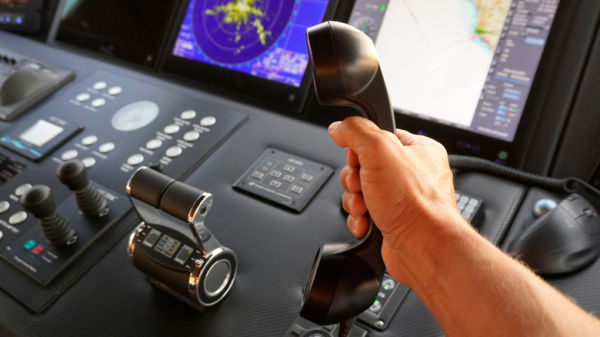
It’s not always possible to keep a safe distance from a U.S. Navy ship within a Naval Vessel Protection Zone. If a boat does pass within 500 yards, it can only proceed once it has contacted the commanding officer or official patrol, and they have given the green light.
If you must go within 100 yards of the ship, you have to contact the ship or the Coast Guard’s escort vessel service, specifically on Channel 16 on a VHF (very high frequency) radio. While this is the designated international hailing and distress channel, military vessels may not be actively monitoring. On your end, hail them a single time, let them know you need to pass through, and await their response.
Violating these regulations in the Naval Vessel Protection Zone is considered a felony offense and is punishable by up to six years in prison and/or up to $250,000 in fines. It’s worth noting, as well, that the U.S. Navy is authorized to protect its vessels in certain situations if a threat is identified.