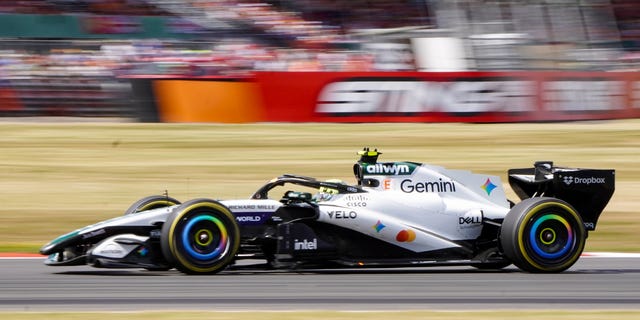
Formula 1 has always been as much about the aerodynamic development battle between teams as it is about the on-track duels between drivers, and that’s never been clearer than in the current season. Mercedes has generally managed to stay one step ahead of its competitors, constantly finding extra performance whenever rivals threatened to close the gap. Recently, though, Ferrari has taken the lead in the pursuit—strong enough to claim two victories when Mercedes faltered—while Red Bull and McLaren have found themselves slightly behind.
The FIA’s list of aerodynamic upgrades released every race weekend shows just how aggressively teams are developing their cars. Everyone is bringing new components to the circuit as frequently as possible, at a pace unprecedented in the sport. (The exception is Aston Martin, with Adrian Newey and his teammates focusing all their efforts on one major upgrade package for Hungary.) This level of innovation is remarkable, given the restrictions on aerodynamic testing that limit wind tunnel time, and the need to design, produce, and deliver new parts swiftly—all while staying within the cost cap. Such conditions highlight the importance of efficient resource management, something the top teams excel at, explaining why they continue to dominate.
Interestingly, performance gains this year are coming almost entirely from new components rather than car setup tweaks. This marks a contrast from the previous ground effect era, when optimizing ride heights and achieving the right aerodynamic balance on a given weekend could yield significant benefits. McLaren Team Principal Andrea Stella offered a clear explanation at Silverstone about how things are evolving for 2026 and why his team has fallen slightly behind its main rivals in the development race.
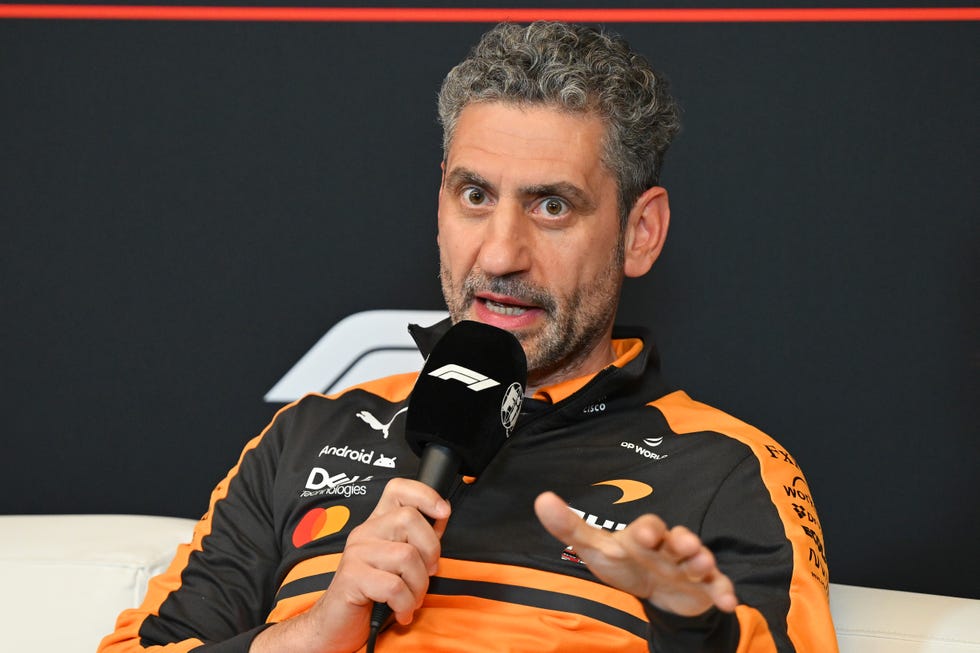
“Unlike the previous regulations, the pattern of competitiveness now is quite consistent,” explained the Italian. “It’s stable and largely independent of track layout. Right now, you have Ferrari and Mercedes leading, followed by Red Bull and McLaren. There isn’t much variation based on track design, corner type, or setup, which is an important factor. Last year, if you could run the car close to the ground without porpoising or manage the stiffness well, you could gain downforce and improve your car’s category. This year, it’s much tougher to find performance through setup changes because the cars aren’t as sensitive to ride heights.”
Heading into 2026, the emphasis is on introducing as many new parts as possible and increasing downforce. In recent seasons, McLaren has often excelled at implementing updates and unlocking performance, but this year has been more of a challenge. “The first key battleground is the upgrades themselves,” said Stella. “Looking at the top four teams, each major update has generally delivered about two to three-tenths of a second per lap. The second major battleground is conceptual, as some aerodynamic ideas are still in their early stages.”
At the beginning of the season, teams pursued different philosophies and priorities. Over time, they’ve had the chance to evaluate what works and what doesn’t—both on their own cars and on those of their competitors—and feed those insights back into their research and development processes. Stella openly acknowledged that McLaren didn’t get everything right with the MCL40 and is now shifting towards alternative design concepts.
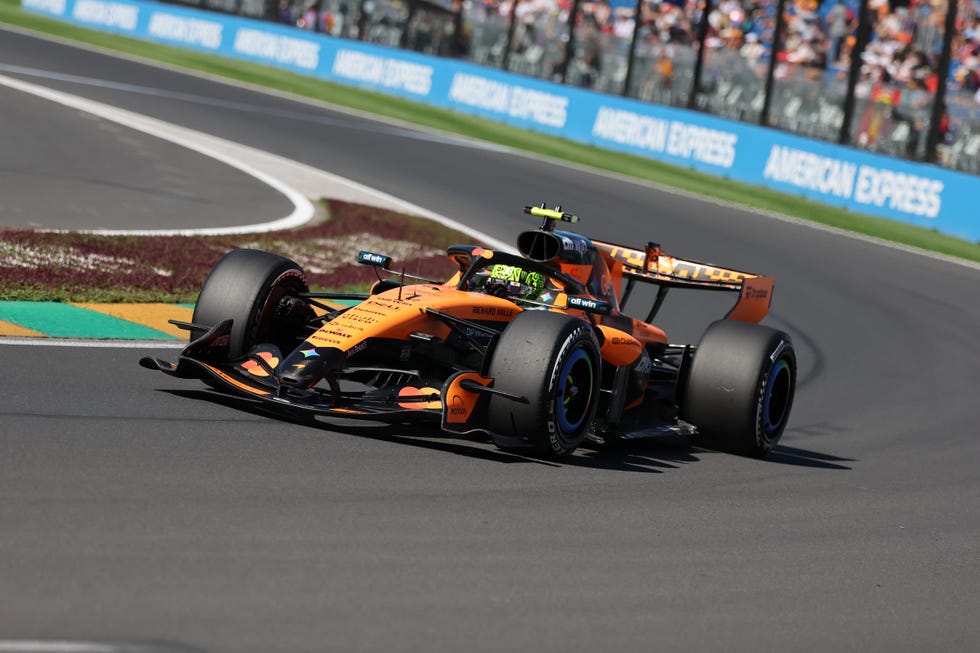
So why did the team misstep initially? One factor was the aerodynamic testing restrictions. As constructors’ world champions during the 2025 research phase—and for the first half of 2026—McLaren faced the strictest limits under the FIA’s system, meaning less wind tunnel time compared to their rivals. Additionally, the team was engaged in a fierce title battle with Max Verstappen and Red Bull until the final race of last year, while Mercedes and Ferrari, not being in the thick of the fight, had more time to focus on developing their new cars.
“Even if we didn’t bring major upgrades, we still had to pay close technical attention to the MCL39,” Stella explained. “We needed to maximise performance at every race because Verstappen’s challenge was becoming increasingly serious. During the [MCL40] development, we followed certain conceptual directions that, as we’ve learned more about the 2026 regulations, we’ve now decided to adjust.”
Essentially, McLaren admits it took the wrong design path, while other teams adopted more effective ideas. Having reassessed the data, McLaren is now pivoting toward a new approach expected to deliver better results. “Our technical reasoning for not being as competitive as we hoped is that some of the design directions we initially chose require revision,” continued Stella. “After studying rival cars and re-evaluating our concepts, we’ve identified areas that need rethinking and begun iterating accordingly.”
The results of this re-evaluation are currently moving through McLaren’s design and production pipeline in Woking. The process takes several months and, as always, must balance performance targets with cost constraints. The first upgrades reflecting this new philosophy are expected to debut at the Hungaroring, the final race before the summer break. “We now have a clear direction for development,” said Stella. “But it’s taken a couple of months to bring some of these changes to life. We should see the first results of this new approach in Hungary, followed by more updates later in the season.”
Only time will reveal whether these updates can push the Papaya-coloured McLarens back toward the front of the grid. One thing is certain—Mercedes and the rest of the field won’t be slowing their progress either.
-
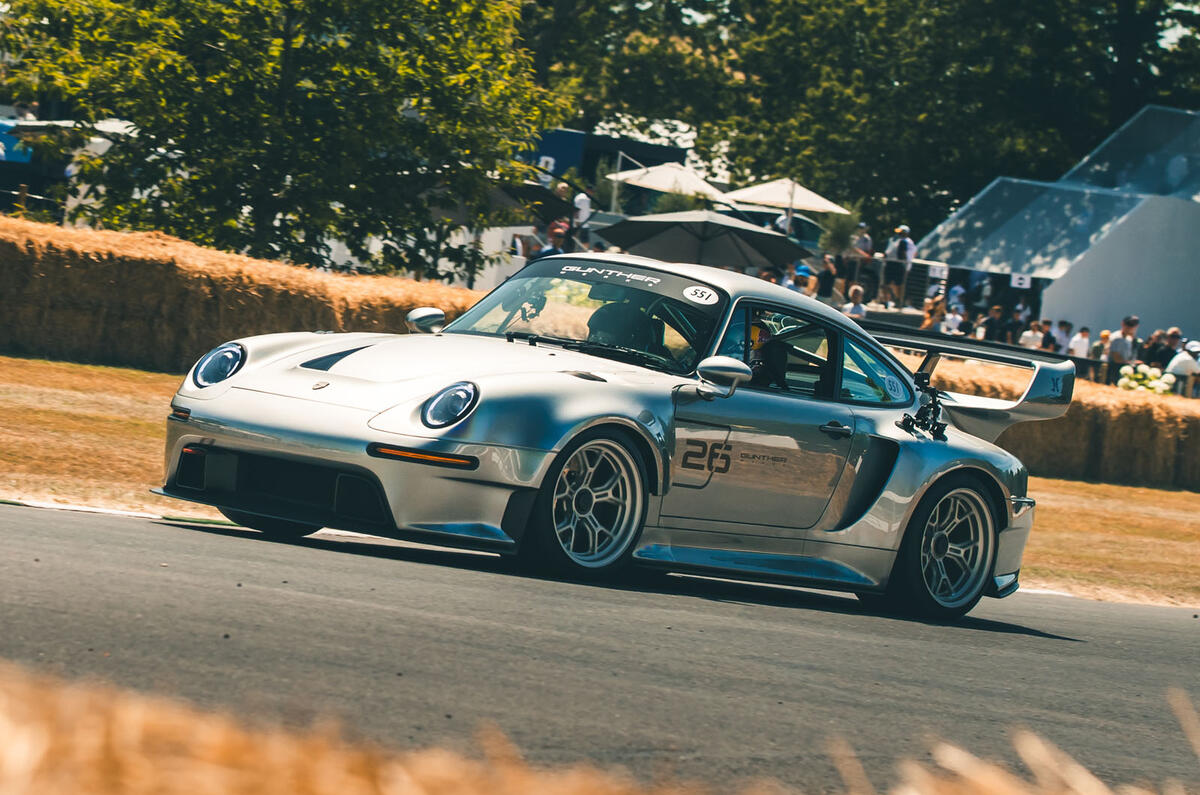
Gunther Werks F-26: 1067bhp Porsche 911 Slantnose Revival Targets Goodwood Record
-
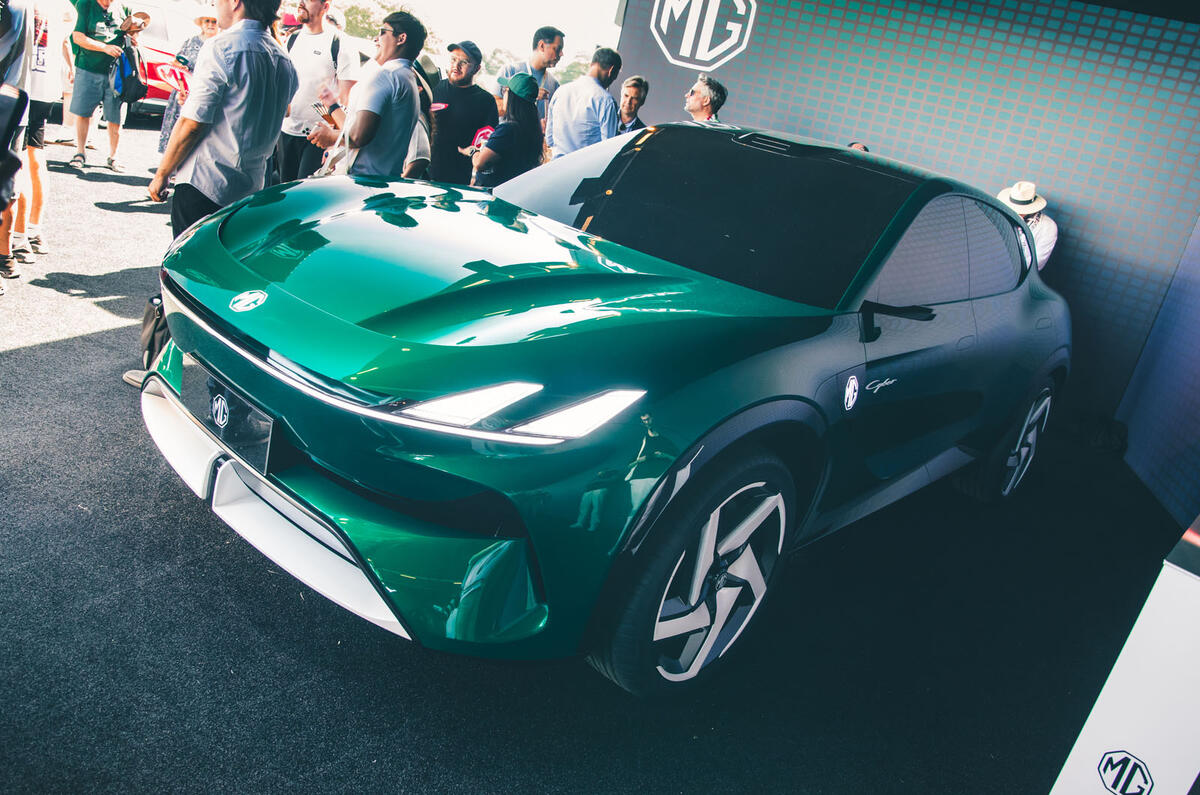
MG Cyber Concept Unveiled: A Luxury Electric SUV Hinting at the Brand’s Future Design Language
-
11 July Rashifal: Whose old dispute will be resolved, the distance will end in the relationship of this zodiac sign, who will get the money, read the horoscope

-
Are you troubled by having to go to the toilet again and again while travelling? Do these 5 things before travelling, the journey will be comfortable

-
From spinach to coriander, green leafy vegetables can fall ill if not washed during monsoon! Know the right way