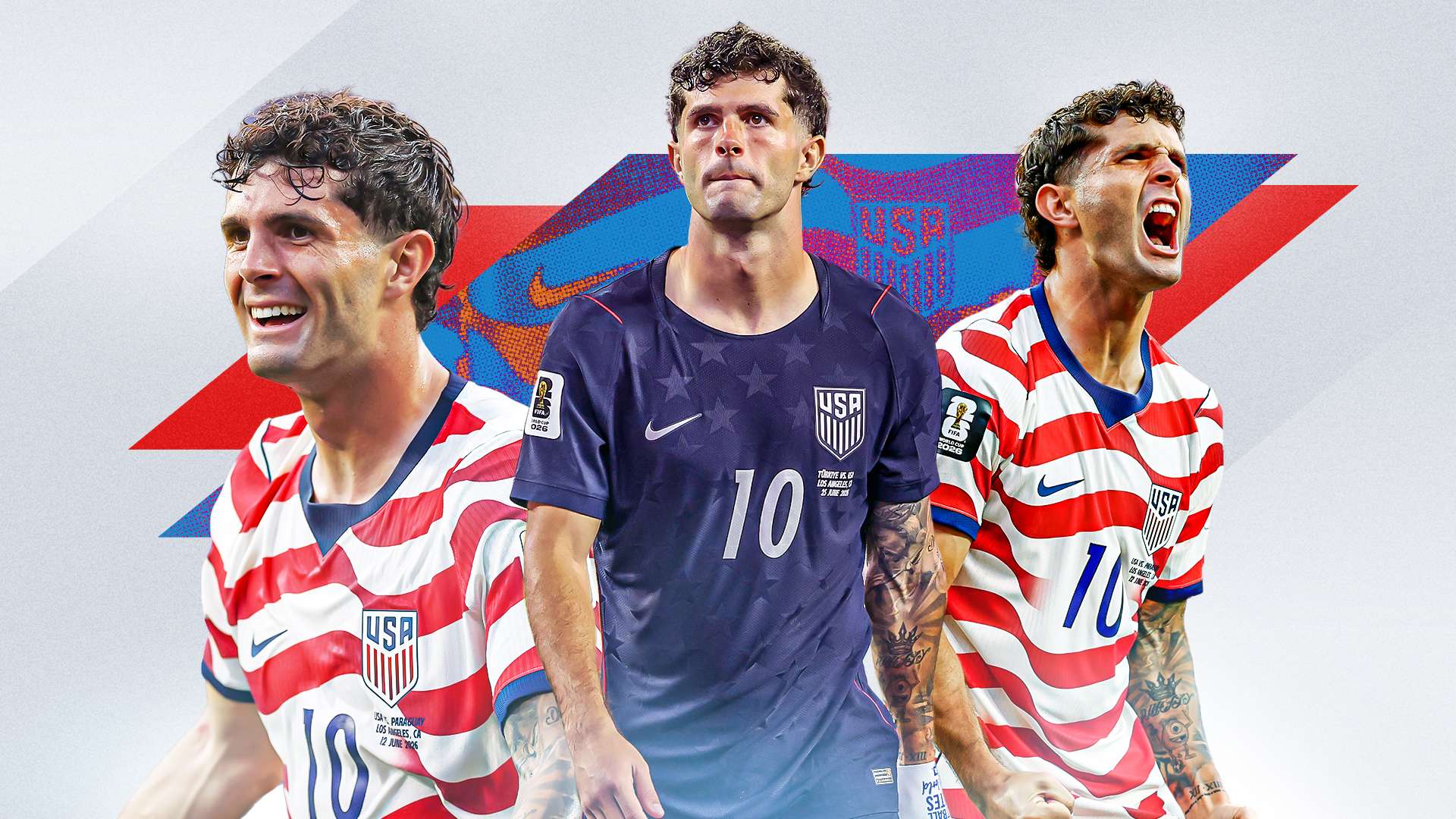
Christian Pulisic’s time as the U.S. Men’s National Team’s golden boy appears to have come to an end. What lies ahead is a defining period – a test of resilience, character, and leadership that will determine how his legacy is remembered.
When Pulisic limped off the pitch against Belgium, a sense of inevitability hung in the air. The U.S. trailed 3-1, and their World Cup hopes were effectively extinguished. But that moment symbolised more than just an exit from the tournament. As Pulisic sat on the bench, head bowed in visible pain and frustration, his status within American football shifted. The optimism and promise that had long framed his career gave way to doubt and scrutiny.
In the aftermath of the loss, criticism came thick and fast. Commentators questioned his toughness, both physically and mentally. Others voiced disappointment about his performances and attitude. Even those who had rarely spoken about him before suddenly felt entitled to judge his entire career based on one difficult night.
Whether those criticisms were fair is almost beside the point; perception shapes reality. Pulisic, once viewed as the symbol of American football’s bright future, now faces a harsher spotlight. He is no longer untouchable. To many, rightly or wrongly, he has become a source of frustration rather than hope.
The next phase of his journey will hinge on how he responds to that shift. Pulisic has always been a complex figure to define – immensely talented yet understated, driven yet reserved. Discussions about his place in the sport now mirror that complexity, demanding nuance and patience at a time when emotions are running high following the USMNT’s World Cup exit.
A World Cup to forget
Pulisic himself admitted that his World Cup campaign did not meet expectations. “It’s disappointing,” he said after the match. “I didn’t quite have the moments I was hoping for to help us push past a really good team, so I’m disappointed in myself but trying to stay positive.” He added, “We want to compete with the best in the world, and we’re close, but there’s still another step to take.”
The summer had begun promisingly. After a goal drought stretching back to early 2026, Pulisic found the net against Senegal in a pre-tournament friendly, seemingly regaining momentum. He impressed in the opener against Paraguay, assisting once and contributing heavily to another goal in an exciting first half.
Then came the setback. After taking a knock to an already sore calf, he was forced off at halftime. He missed the win over Australia, returned briefly against Turkey, and played the full 90 minutes against Bosnia and Herzegovina despite the U.S. being reduced to 10 men. Entering the clash with Belgium, he had yet to score in the tournament and had just one assist to his name. His performance that night was among his poorest – he lost possession 11 times, the most of any player on the pitch. Despite his effort, nothing came off, and his eventual withdrawal through injury only deepened the disappointment.
Injury and the criticism storm
Pulisic’s decision to leave the field sparked fierce debate. Critics were quick to point out that he has now been forced off in three of the seven World Cup matches he’s played, missing another through injury. Former USMNT legend Landon Donovan questioned his mentality on the Unfiltered Soccer podcast, saying, “There’s reporting that he asked to get subbed out. I can’t confirm that, but he came out of a World Cup knockout game with his leg still intact. I would’ve had to be dragged off the field.”
Donovan continued, “I couldn’t believe he didn’t stay in the game. If we wake up tomorrow and he’s broken his leg, fine, but otherwise…”
As it turned out, the injury was significant. U.S. Soccer confirmed Pulisic had suffered a microfracture and bone bruise to the tibia and fibula. He was seen on crutches and would have missed the remainder of the World Cup had the team advanced.
‘Time to rest’ controversy
Even after the diagnosis, criticism didn’t subside. The focus turned to his post-match comment about having “time to rest,” which drew backlash. Former USWNT star Carli Lloyd fired back, saying, “You rest when your playing career is over. Period.”
While Pulisic’s words were reasonable in context, they were poorly timed. Fans were still processing the disappointment of the World Cup exit, and hearing their star speak of rest hit a raw nerve. In truth, his statement was more reflective of exhaustion and frustration than indifference. “It sucked,” he told reporters. “Having one injury earlier and now another… it was tough to deal with.”
However, his history didn’t help his case. After skipping the Gold Cup the previous summer to prepare for the World Cup, his performances failed to justify the rest. Injuries plagued him again, with four of the team’s five matches affected by fitness issues. Almost everything that could go wrong did.
The personality question
Pulisic’s quiet, introverted nature has always contrasted sharply with his star status. On the field, he’s expressive and commanding; off it, he’s reserved and shy. He doesn’t seek the spotlight and often seems uncomfortable with fame. But in the world of elite sports, that can be misinterpreted. Silence is mistaken for arrogance, composure for apathy. Fans and pundits expect visible emotion after setbacks – something Pulisic rarely displays.
This isn’t a flaw but a personality trait, though it has made him an easy target. Lionel Messi faced similar accusations early in his career from Argentine fans who mistook his calmness for detachment. While Pulisic is no Messi, the parallel in demeanor is clear. It’s also why he faces sharper criticism from older USMNT figures like Donovan, who were vocal leaders on and off the pitch.
“This is an opportunity to change your life forever,” Donovan said. “People are tired of how things are handled around him – his agents, his family, his circle. They treat people poorly, say ‘no’ to interviews, and keep him distant. It’s not necessarily him, but the people around him. He needs to step up and fix that.”
The road ahead
Pulisic has been the face of American football for nearly a decade. After this World Cup, that status is in jeopardy. The criticism is no longer limited to his play – it extends to his leadership, professionalism, and attitude. Whether fair or not, that’s now his reality. Once hailed as the nation’s greatest football hope, he’s now seen by some as a disappointment.
At 27, however, his story isn’t finished. This might be the lowest point, but it doesn’t have to be the defining one. He’ll return to Milan, regroup, and prepare for the next challenge. The USMNT will reconvene in September, and football will move on – as it always does.
Pulisic’s trajectory isn’t set in stone. The path ahead is difficult, and public opinion may take time to shift. This World Cup will leave a mark, but redemption remains possible. “I want to be in this position,” he told GOAL before the tournament. “It’s a privilege. I’m trying to live in the moment and do my best. Hopefully, people see that.”
-
Welsh Singer Bonnie Tyler, Voice Behind 'Total Eclipse Of The Heart', Dies At 75

-
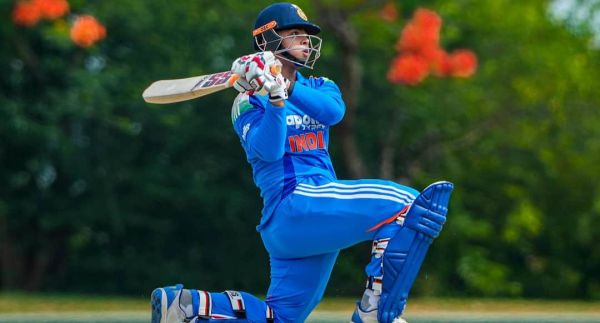
Vaibhav Sooryavanshi Unleashes Carnage In England, Smashes Runs At 168 Strike Rate
-
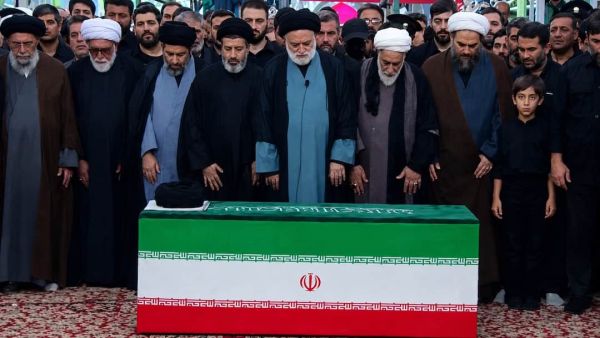
Ayatollah Ali Khamenei Laid To Rest In Mashhad Amid Renewed US-Iran Hostilities
-
Are frozen blueberries unsafe? FDA recalls blueberries sold in 8 states

-
Why King Charles can't avoid this snack, reveals former royal butler; detailed recipe inside