Bangladesh's Supreme Court upheld a High Court verdict, reinstating the caretaker government system by scrapping part of the 15th Amendment. The ruling reverses a 2011 decision and will apply to the 14th parliamentary elections and onwards.
The Appellate Division of the Bangladesh Supreme Court upheld a High Court verdict that scrapped part of the 15th Amendment to the Constitution, which had abolished the caretaker government system, and restored provisions for holding referendums on constitutional amendments.

Apex Court Reverses 2011 Decision
On Wednesday, a four-member bench of the Appellate Division, headed by Chief Justice Zubayer Rahman Chowdhury, dismissed the appeals challenging the High Court judgment and seeking the cancellation of the entire 15th Amendment. Attorney General Md Ruhul Quddus Kazal told reporters following the verdict that the amendment had also introduced several significant changes to the Constitution. The historic ruling officially reverses a contentious 2011 decision by the Sheikh Hasina government that dismantled the caretaker framework.
Background of the Constitutional Amendments
Parliament passed the 15th Constitutional Amendment on June 30, 2011, scrapping the 13th Amendment, which had introduced the caretaker government system in 1996. The bill received presidential assent on July 3 that year. Apart from abolishing the caretaker government system, it gave constitutional recognition to Sheikh Mujibur Rahman as the Father of the Nation, increased the number of reserved parliamentary seats for women from 45 to 50, restored secularism and freedom of religion, and reaffirmed nationalism, socialism, democracy, and secularism as the state's fundamental principles.
Implementation and Future Elections
Decades later, on December 17, 2024, the High Court scrapped part of the 15th Amendment that had abolished the caretaker government system and restored provisions for holding referendums on constitutional amendments, a decision now validated by the apex court. Although the Supreme Court has reinstated this system to guarantee impartial supervision during democratic transitions, it clarified that the caretaker arrangement will not govern the present transitional interim administration. Instead, the mechanism is set to be implemented for the 14th parliamentary elections and all future electoral cycles. (ANI)
(Except for the headline, this story has not been edited by Asianetnews Editorial staff and is published from a syndicated feed.)-
Is There Match Fixing In Franchise Leagues Like IPL, PSL, SA20? ICC To Take Strict Action – Report

-
IND Vs ENG Live: Vaibhav-Abhishek will add steam; India’s decision to bat first

-
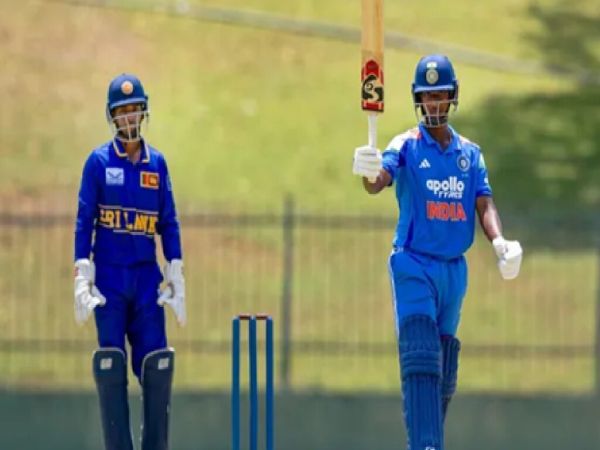
Last-Ball Thriller! Sri Lanka Edges Past India by 1 Wicket to Clinch Unofficial ODI Series 2-1:
-
FIFA World Cup 2026: 750 songs will be played in the football Mahakumbh, know how the ‘stadium playlist’ of every country is prepared.

-
On one hand men’s players are staying away from test cricket, on the other hand Harmanpreet said – get as many tests done as possible…