Recovering around £250 million by selling players who no longer wish to stay and replacing them with ambitious, young talents full of potential — while still having funds left to reinvest — could give Newcastle United reasons to be optimistic.
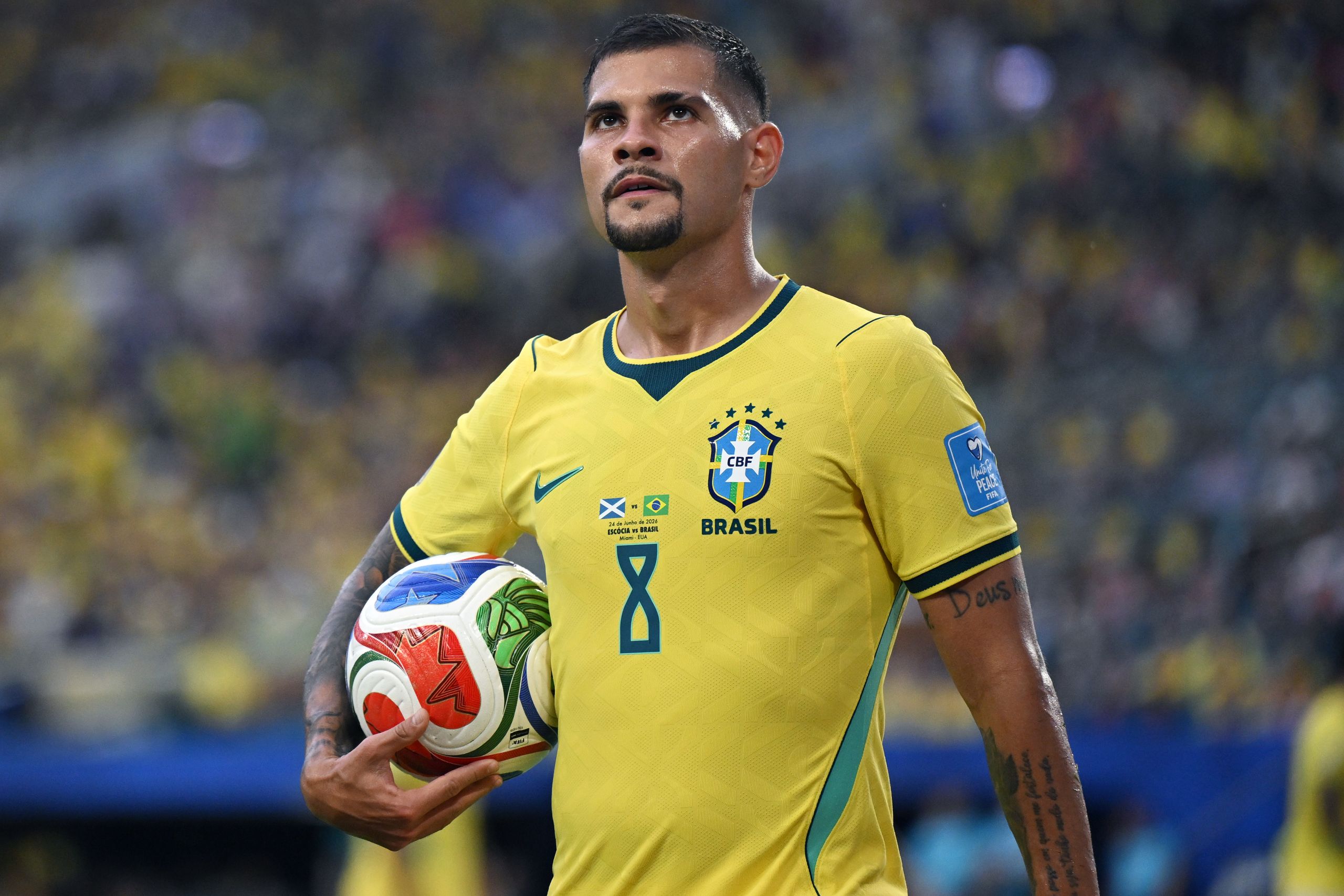
However, the excitement among Newcastle United supporters for the upcoming season is fading with every major departure. As a lifelong Newcastle fan myself, I understand the frustration, but if Bruno Guimarães follows Anthony Gordon, Sandro Tonali, and Kieran Trippier out of St. James’ Park this summer, I believe those exits could ultimately prove beneficial, even if some were decisions forced upon the club.
Kieran Trippier’s exit was inevitable — arguably overdue by six to twelve months — while both Anthony Gordon and Sandro Tonali had made their intentions to leave quite clear through their body language in recent months.
In Gordon’s case, apathy had crept in — both from him and from fans frustrated by his inconsistency and lack of league goal contributions. Tonali, on the other hand, never seemed entirely settled at the club, despite the affection showered on him by supporters — something he might not experience in the same way at Tottenham.
Bruno Guimarães’ situation, though, is different. The club captain has just completed his best season in a Newcastle shirt, despite the team’s underwhelming league campaign and demanding schedule. He netted nine Premier League goals — two more than any previous season — even while playing 800 fewer minutes than in either of the last two years. Had he featured in more than 29 league matches, Newcastle likely would have finished higher than their disappointing 12th place.
At 28, with two years remaining on his contract, and after performing admirably for Brazil at the World Cup (penalty miss aside), Guimarães’ market value has peaked — estimated between £70 million and £100 million.
The club’s attempt to offer him a new deal in January was derailed by their slim chances of securing Champions League qualification, and realistically, it was always going to be difficult. Newcastle simply can’t match the wages or competitive prospects that a club like Arsenal can offer, nor can they promise European football or a title challenge.
Increasing Guimarães’ salary further — he already ranks among the club’s top earners — would risk unbalancing the wage structure and creating dressing-room tension at a time when unity is crucial.
Forcing him to stay could lead to resentment and dull the qualities that make him special — his leadership, enthusiasm, and ability to inspire teammates. Keeping an unhappy captain could flatten the team’s spirit.
Yes, losing both Tonali and Guimarães in the same transfer window is far from ideal, but retaining discontented players on high wages is a worse option. It’s risky to have your most influential midfielder disengaged while his value declines and his pay packet causes friction in the squad.
Newcastle’s hierarchy will know that they once had what might have been the perfect Premier League midfield trio: Elliot Anderson, Sandro Tonali, and Bruno Guimarães. That loss stings.
The news that Guimarães has informed the club of his desire to leave broke yesterday, but it wouldn’t be surprising if he had signalled this as early as the start of the year, with two years left on his deal. That foresight likely allowed Newcastle to plan ahead — a far cry from the frantic handling of last summer’s Alexander Isak situation.
This is a summer of reset and rebuilding. Without European football, the club can focus on laying a stronger foundation. Revenue from player sales offers a major opportunity to rebuild smartly and sustainably.
They have already made proactive moves in the market, spending over £60 million on 20-year-olds Ewen Jaouen, a goalkeeper, and forward Bazoumana Toure. In midfield, negotiations are ongoing for Johan Manzambi (20) and Sean Steur (18), while Monaco’s Lamine Camara and Auxerre’s Kevin Danois (both 22) are being closely monitored. They may not be household names, but the depth of that shortlist suggests they are being targeted as replacements, not mere additions.
For Newcastle to handle Guimarães’ departure successfully, three things are essential: they must secure full market value (no less than £70 million upfront, ideally closer to the £100 million paid for Tonali), sign one or more replacements before Guimarães leaves, and ensure those incoming players possess the talent, temperament, and potential to surpass what both Tonali and Guimarães brought to the club when they first arrived as relatively unknowns.
This transfer will be emotionally charged for both fans and the player. Guimarães is adored by Newcastle supporters — and the affection is mutual. From his perspective, at 28 and after shining on the global stage, it’s understandable that he would want to take the next step. He had no prior connection to Newcastle before joining, and while he’s developed a genuine love for the club and city over the past four and a half years, expecting him to dedicate his entire career here is unrealistic.
He has given immense service, doubling his transfer value from the £35 million Newcastle paid for him. He helped deliver the club’s first domestic trophy in 70 years, started a family in Newcastle, embraced the local culture, learned English (and even some Geordie), and raised the team’s standards immensely.
He now has the chance to double both his salary and his medal prospects by joining a club like Arsenal — an opportunity that might not come again after this summer.
Sadly, his ambition and ability have outgrown Newcastle United, and the club must accept that reality.
This shouldn’t sit comfortably with the hierarchy, though. The potential sales of Gordon, Tonali, and Guimarães highlight CEO David Hopkinson’s previous claims that Newcastle will be “in the debate” as one of the world’s top clubs by 2030.
Supporters may find those words inspiring, but they also set high expectations. Hopkinson might have been trying to will that success into existence, though such statements draw scrutiny if not backed by progress.
He may be realising that bold public declarations by CEOs in England are not taken lightly, unlike in North America. It would not be surprising if he takes a lower profile this season. The talking phase is over — now the club must act, starting with how they manage the Guimarães situation.
There’s no doubt Guimarães himself will be emotional about leaving, but he knows it’s the right decision. Newcastle United supporters owe it to him to recognise that and send him off with gratitude and respect.
-
PM Modi’s cricket diplomacy bats for closer India-Australia ties
-
DDA issues public notice against encroachment, warns of demolition

-
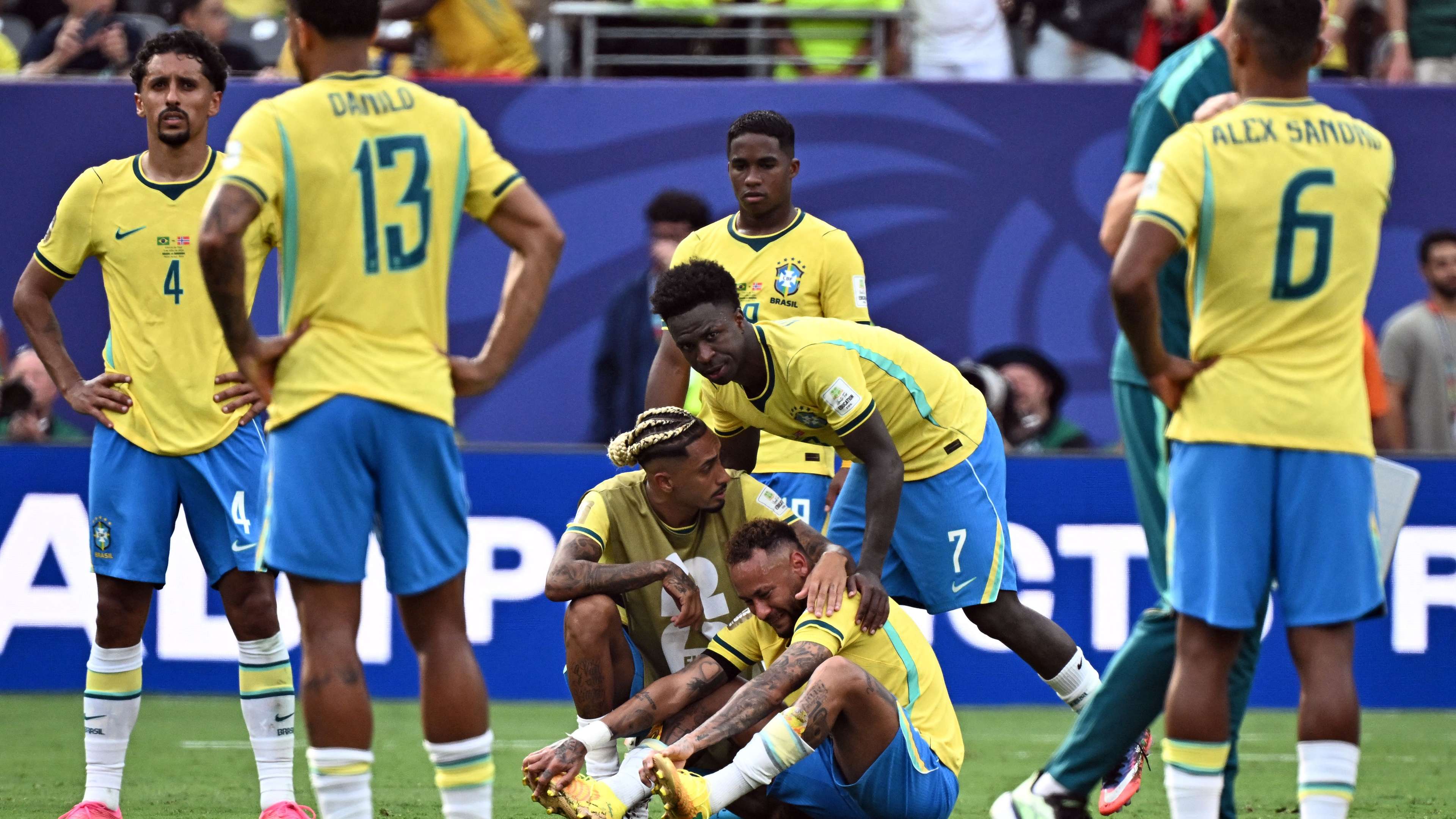
'Forget the excuses, he must score!' – Brazil legend Romario blasts Vinicius Jr and Endrick after Norway loss, calls for Carlo Ancelotti’s contract to be terminated following World Cup exit
-
15 Football Clubs Whose Record Signings Still Haven’t Crossed the £50m Mark

-
England Woes Explained: Why Jarell Quansah Has Been Suspended For 2 FIFA World Cup 2026 Matches Ahead Of Norway Quarter-Final Clash