
Prime Minister Narendra Modi and Australian PM Anthony Albanese finalised administrative arrangements to operationalise commercial-scale uranium exports from Australia to India. The move implements the 2014 civil nuclear cooperation agreement creating a regulated supply pipeline of nuclear fuel for India
A major diplomatic and energy bottleneck got cleared on Thursday after Prime Minister Narendra Modi and Australian counterpart Anthony Albanese announced the finalisation of administrative arrangements to fully operationalise commercial-scale uranium exports from Australia to India.
This development, during Prime Minister Modi's historic State visit to Australia, breathes life into a bilateral civil nuclear agreement originally signed in 2014 establishing a secure supply pipeline of nuclear fuel from the nation holding the world’s largest uranium reserves to the world's most populous country hungry for clean electricity.
What Is the agreement and what was just decided?
The core of this breakthrough is the finalisation of the specific administrative procedures required to implement the 2014 India-Australia Civil Nuclear Cooperation Agreement. While the overarching political framework has been technically active for a decade, it lacked the granular bureaucratic plumbing needed to start routine, large-scale commercial shipping. Meeting at Government House in Melbourne for the third India-Australia Annual Summit, the two leaders officially signed the Administrative Arrangement to clear these regulatory hurdles.
-
Drenched On Your Way To Work? 5 Monsoon Habits Every Office-Goer Should Follow

-
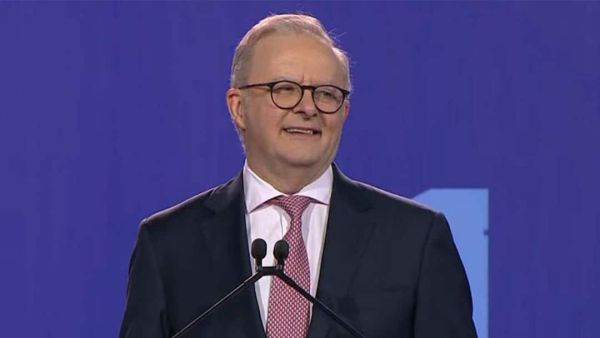
Australian PM Calls Indian Diaspora The ‘Living Bridge’ Between India And Australia
-
Amid Satluj Controversy, Ranvir Shorey Questions Growing Hindu-Sikh Divide In Punjab: 'Rift Is A Source Of Personal Anguish'

-
Adarsh Baal Vidyalaya OTT Release Locked: Kay Kay Menon Comedy Drama To Premier From This Date

-
Enzo Maresca’s Manchester City Hit Early Obstacle in Pursuit of Chelsea’s Malo Gusto