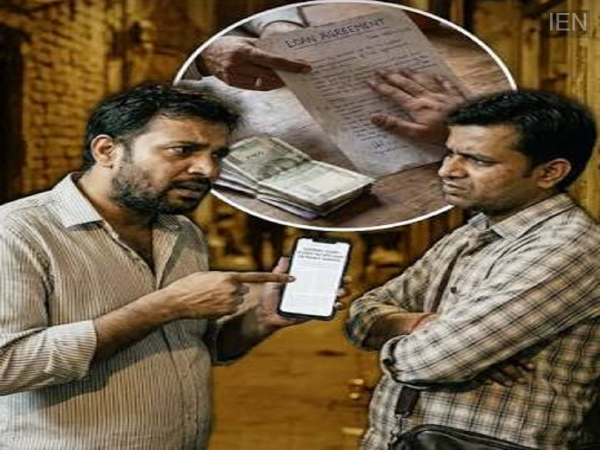
Loans: We often help friends or relatives during difficult times by lending them money—money that sometimes never gets returned. If this has happened to you, be sure to read this report.
Loan News: You might have seen signs in shops reading "Cash today, credit tomorrow"; these are aimed at customers who buy goods on credit but hesitate to pay. Similarly, in our own lives, we have friends and relatives whom we assist during adverse situations. We lend them cash; while they promise to return it within a few days at the time of borrowing, they often forget when the time comes to pay it back.
Such individuals need to be careful now, as the law has become strict regarding this issue. Those who borrow money and fail to repay it could now face imprisonment. Here is how.
Keep Records Safe
If you have lent money to anyone, you must retain proof of the transaction. For instance, if you made an online transfer, keep the UPI or bank transaction records. Additionally, preserve any related chats or messages. If the loan was discussed over the phone, save the call recording. A written agreement is even better, as the more evidence you have, the stronger your case will be.
Send a Legal Notice
If a person fails to repay the loan despite repeated requests, you can send them a legal notice through a lawyer demanding repayment. In many cases, the money is returned as soon as the notice is received. However, if the money is still not returned, you can take further legal action.
Recovery Through the Court
If the money is not recovered even after sending a legal notice, recovery can be pursued through the court. If there is no response to the notice, you can file a civil recovery suit. The court can then order the recovery of your money along with interest.
Provisions for Punishment
If the borrower fails to repay the money, you can file a complaint against them. If it is established that they committed fraud or had no intention of repaying the amount, they could face punishment. A criminal case can be registered if the money was obtained through deception, falsehood, or cheating. Consequently, the individual may be fined. Furthermore, criminal charges could be pressed, potentially leading to a prison sentence of up to seven years.
-
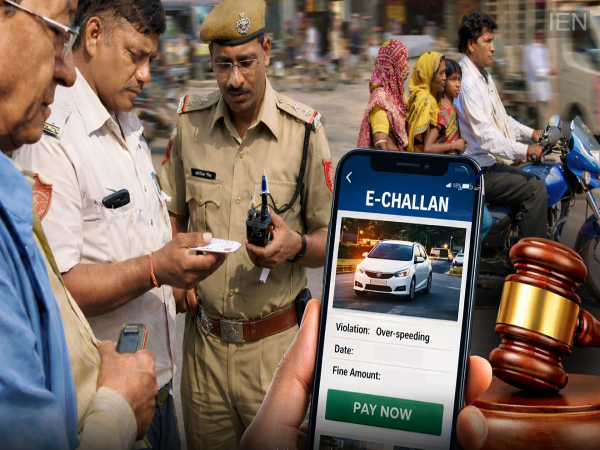
e-Challan Rules: Received an incorrect e-challan? Don't panic; here is the complete online process to get it cancelled.
-
Delhi Police Final Answer Key 2026: Delhi Police Constable (Executive) final answer key released; download window open until July 21..
-
Bihar Police Admit Card Date 2026: Bihar Police Havildar Instructor exam admit card to be released on this date..

-
UP DElEd 2026: Today is the last date to deposit registration fees for UP D.El.Ed admission..

-
UPTET Answer Key: UPTET provisional answer key released; opportunity to raise objections until July 14..