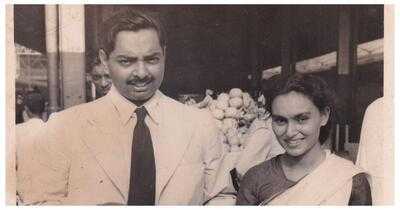
When I watched Main Vaapas Aaunga with school friends recently, it felt almost as if my ancestors were asking me to come back home to Lahore.
A young couple sitting next to me were asking one another whether the story was based on fact or fiction. My answer to them: regardless of the details, the movie did capture the texture of some lives affected by Partition, such as those of my father and mother.
In many ways my parents’ story is quite different from that of Keenu and Afsan in the film. Unlike Keenu and Afsan, they were able to find a life together after Partition. They were both Hindu. And neither of them expressed a wish to return to the Lahore they had grown up in.
For my mother it was fear; for my father it would be like visiting a ghost.
But there were other resonances. Like Keenu, my mother developed severe dementia late in life, and in that phase, she became lost in Lahore. One day she looked really busy. I asked her what she was doing. She said, “I have a lot of work to do. Everything is all over the place. Taji’s clothes have to be put back in the cupboard”. (The family always referred...
Read more
-
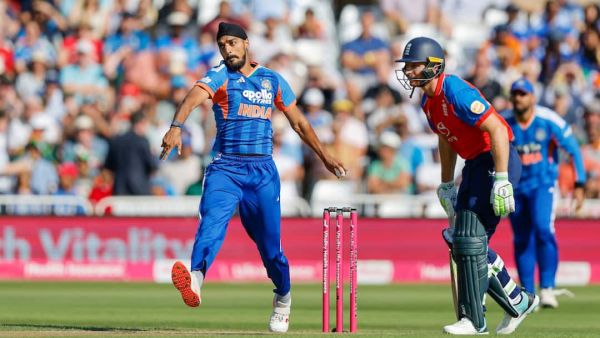
India's Lucky Ground? Historic Bristol Record Offers Big Boost Ahead Of Must-Win 4th T20I
-
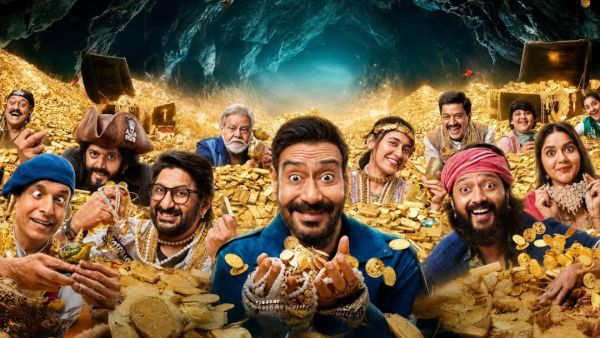
Dhamaal 5 On The Cards? Ajay Devgn’s Dhamaal 4 Ending Teases Next Instalment
-
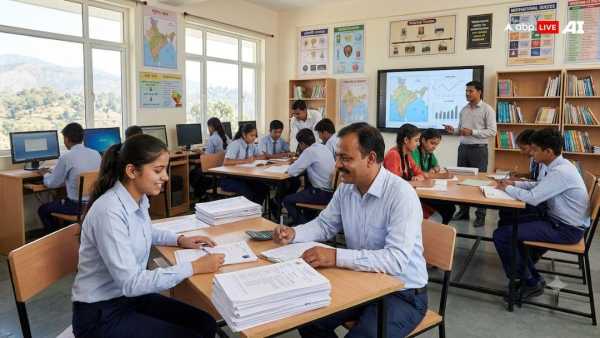
Himachal Pradesh Begins Recruitment Of 3,468 Teachers For CBSE-Affiliated Government Schools
-
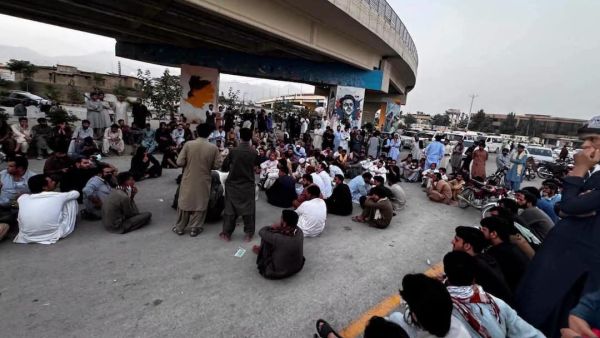
Pakistan Army Faces Fury In Quetta As Families Of Cops Slain In TTP Attack Raise Anti-Military Slogans
-
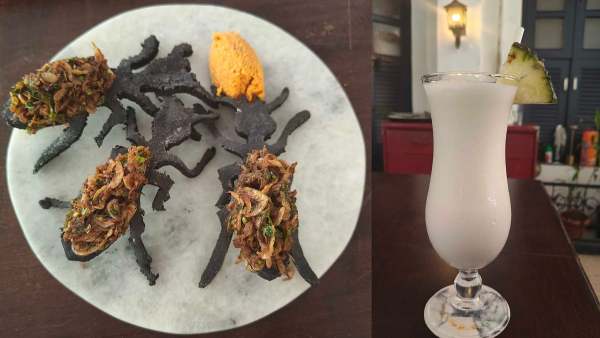
Food Review: Andheri Cafe Puts Global Spin on Desi, Regional Classics with Sukat, Mushroom Toast & Appa's Yetti Roti