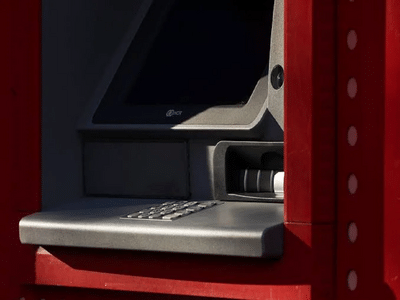
A video circulating on social media has sparked concern by claiming that hackers can steal cash from Automated Teller Machines (ATMs) using nothing more than a mobile app. The viral claim has left many people wondering whether ATM transactions remain secure and if their bank accounts are at risk.
Cybersecurity experts, however, say that there is no verified evidence in India showing that an ATM can be remotely hacked using a regular smartphone application alone. While attacks on ATMs have occurred in several countries, they usually involve a sophisticated technique known as ATM Jackpotting, which requires physical access to the machine rather than a simple mobile app.
Here's what ATM Jackpotting is, how it works, and what customers should know.
What Is ATM Jackpotting?ATM Jackpotting is a type of cyberattack in which criminals install malicious software (malware) inside an ATM to gain unauthorized control over its cash dispensing system.
Instead of obtaining approval from the bank's central server, the malware instructs the ATM to release cash directly. In many documented cases worldwide, attackers are able to withdraw money without using a debit card or accessing a customer's bank account.
The attack targets the ATM itself—not individual account holders.
How Does an ATM Jackpotting Attack Work?Unlike online banking fraud, ATM Jackpotting generally requires direct physical access to the machine.
A typical attack may involve the following steps:
- Criminals gain physical access to the ATM.
- Malware is installed on the ATM's operating system.
- The malicious software infects the program controlling the cash dispenser.
- The ATM begins accepting commands from the attackers instead of the bank's secure system.
- The machine dispenses cash without requiring a card, PIN, or customer authentication.
Because these attacks target the ATM's internal software, they are significantly more complex than common digital scams.
How Is Malware Installed on an ATM?Cybersecurity researchers have documented different techniques used in ATM Jackpotting attacks.
1. Hard Drive MethodIn this method:
- The attacker opens the ATM cabinet.
- The internal hard drive is removed.
- The drive is connected to another computer.
- Malware is installed.
- The modified drive is reinstalled inside the ATM.
Some attackers replace the ATM's original storage device with another drive that already contains malicious software.
Once the ATM restarts, the malware may gain control over the machine's cash dispensing functions.
Both methods require direct access to the ATM hardware and specialized technical expertise.
Does ATM Jackpotting Affect Customer Bank Accounts?In most reported Jackpotting attacks, the objective is to compromise the ATM—not individual customer accounts.
Typically:
- Customer bank accounts are not directly hacked.
- Debit card details are not stolen through the Jackpotting attack itself.
- The criminals target the ATM's cash dispenser rather than customer credentials.
However, customers should remain alert to other types of banking fraud, such as card skimming, phishing, fake banking apps, and OTP scams, which specifically target account holders.
Can a Mobile App Alone Hack an ATM?At present, there is no publicly verified evidence showing that an ordinary mobile application can remotely hack an ATM and force it to dispense cash.
Most known ATM Jackpotting incidents reported internationally have required:
- Physical access to the ATM.
- Specialized malware.
- Advanced technical knowledge.
- Tampering with the ATM's internal hardware or software.
Therefore, claims suggesting that anyone can empty an ATM remotely using only a smartphone app should be treated with caution unless supported by credible evidence.
How Can Customers Stay Safe?Although ATM Jackpotting primarily targets financial institutions, customers should continue following safe banking practices:
- Use ATMs located in well-monitored areas.
- Report damaged or suspicious-looking ATMs to the bank immediately.
- Shield your PIN while entering it.
- Never share your PIN, OTP, or banking credentials.
- Regularly monitor your bank account for unauthorized transactions.
- Avoid believing or sharing unverified social media claims about banking hacks.
ATM Jackpotting is a sophisticated cyberattack that has been reported in several countries and typically requires physical access, specialized malware, and technical expertise to compromise an ATM. There is currently no verified evidence that a standard mobile app alone can remotely hack an ATM and dispense cash.
While the viral claims circulating on social media have generated concern, experts advise relying only on verified information from banks, law enforcement agencies, and cybersecurity authorities. Staying informed and following safe banking practices remains the best way to protect yourself from financial fraud.
-
Indian Techie Kills Wife In US, Sends Photo Of Dead Body To Girlfriend

-
HPCL Recruitment 2026: Apply for 116 posts at HPCL; check the last date...

-
UP TET Answer Key 2026: UP TET provisional answer key released; find out here until when objections can be raised..
-
AI Boom Could Push Up Electricity Bills, Experts Warn as Data Centers Consume More Power

-
IOB Apprentice: Apprentice Recruitment in Indian Overseas Bank, Opportunity for Graduates..