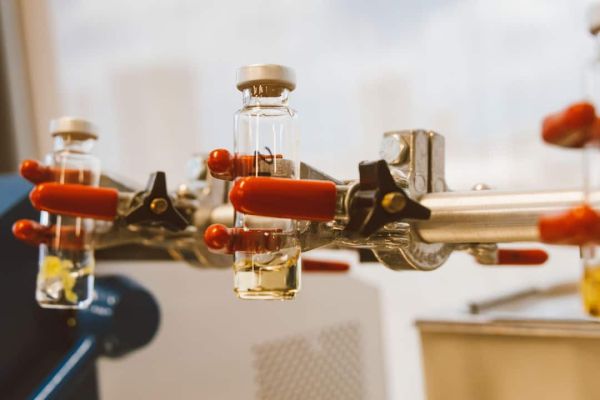
The safety of oxytocin has come under renewed scrutiny after 2,700 vials reportedly failed quality tests. Since the drug plays a critical role in childbirth, concerns over substandard batches have sparked questions about patient safety. Oxytocin is widely used to induce or strengthen labour and to prevent excessive bleeding after delivery, also known as postpartum haemorrhage. While doctors consider it an essential medicine, experts stress that its effectiveness depends entirely on its quality, proper storage, and correct administration.
Why Oxytocin Is An Essential Medicine
Oxytocin is a naturally occurring hormone that is also manufactured as a medication for use in hospitals. According to health information website MedicineNet, it helps stimulate uterine contractions during labour and is one of the most effective medicines for controlling heavy bleeding after childbirth. Dr. V. Uday Kiran, a pharmacologist, explains that oxytocin has saved countless lives over the years. However, he emphasises that the medicine must meet strict quality standards and be administered in the correct dosage under medical supervision. Any compromise in quality can reduce its effectiveness and may increase health risks for mothers during delivery.
Why Oxytocin Came Under The Spotlight
Concerns surrounding oxytocin gained national attention following the deaths of five women after Caesarean deliveries in Kota, Rajasthan. During the investigation, one tested batch was reportedly found to be missing its active ingredient, prompting regulatory action against the manufacturer and distributor. The incident also drew the attention of the World Health Organization, which sought details from the Indian government. However, later investigations by an eight-member Rajasthan government expert committee and a six-member team from AIIMS, New Delhi, concluded that defective oxytocin could not be directly linked to the deaths. According to their findings, each patient had different medical complications, and there was insufficient evidence to attribute the fatalities to the medicine alone. The inquiry did, however, uncover several shortcomings in hospital care. Investigators found gaps in monitoring high-risk pregnancies, incomplete medical records, missing documentation of vital signs and laboratory tests, and, in some cases, the absence of post-mortem examinations. These deficiencies made it difficult to determine the exact cause of death.
What Are The Risks And Why Quality Matters
Like any prescription medicine, oxytocin can cause side effects and must only be administered by trained healthcare professionals. According to MedicineNet, possible adverse effects include nausea, vomiting, allergic reactions, changes in blood pressure, irregular heartbeat, and, in rare cases, uterine rupture. Experts caution that poor-quality medicines are always a serious concern, but they should not automatically be blamed for every adverse medical outcome. Safe maternal care depends on multiple factors, including high-quality medicines, accurate dosing, timely medical intervention, continuous patient monitoring, and strict adherence to hospital treatment protocols. The recent quality test failures serve as a reminder that maintaining rigorous manufacturing standards and ensuring proper clinical care are equally important in protecting the health of mothers and newborns.
Disclaimer: The information provided in the article is intended for general informational purposes only. It is not a substitute for professional medical advice, diagnosis, or treatment. Always seek the advice of your physician or other qualified healthcare provider with any questions you may have regarding a medical condition
-
Moeen Ali Drops Shocking Verdict On IPL, India After Collapse: 'Lost The Art Of Batting'

-
‘Picks himself for every match over the next five tournaments’ – Speculation grows about Cristiano Ronaldo’s potential new role following his World Cup ‘final dance’

-
Shubhangi Atre Breaks Silence On Shilpa Shinde’s Fake Harassment Case Confession, Says ‘We Should Not Misuse The Law’ | FPJ Exclusive

-
King Becomes Shah Rukh Khan's Most Expensive Film As Budget Crosses ₹450 Crore? Siddharth Anand Reacts

-
Can Nottingham Forest Keep Murillo for a Decade? Reds Icon Des Walker Shares Why the Calm Brazilian Defender Has No Reason to Leave the City Ground