This ‘Spice of the Angels’ Is Italy’s Best-Kept Culinary Secret
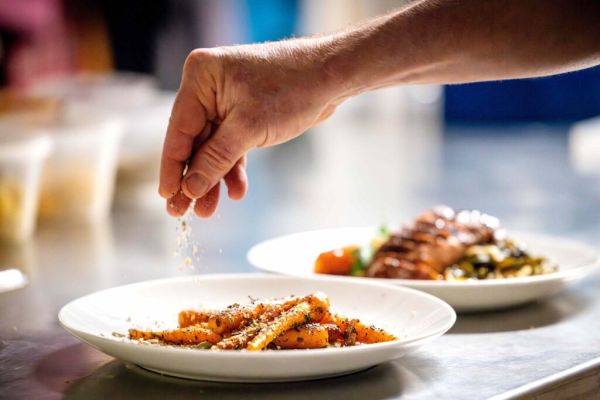
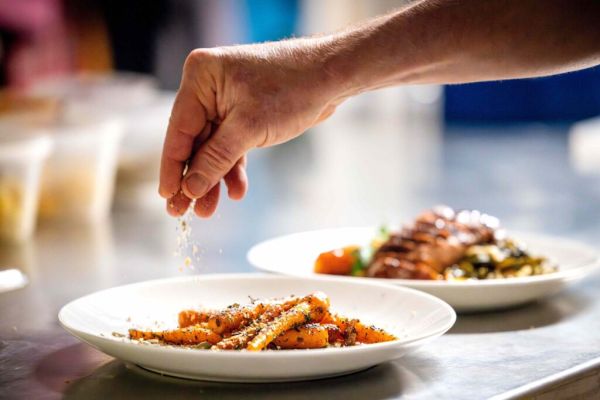
Italy is famous for its olive oil, basil, oregano, and Parmesan cheese, but one lesser-known ingredient has quietly earned a legendary reputation among chefs and food lovers. Often referred to as the “Spice of the Angels,” saffron is one of Italy’s most treasured culinary ingredients, prized for its vibrant color, delicate aroma, and unique flavor.
What Is the “Spice of the Angels”?
Saffron comes from the delicate purple flower Crocus sativus. The spice is made from the flower’s tiny red stigmas, which are carefully handpicked and dried. Because each flower produces only three stigmas and harvesting is entirely done by hand, saffron is considered one of the world’s most expensive spices.
Italy produces some of the finest saffron varieties, particularly in regions such as Abruzzo, Sardinia, Tuscany, and Umbria.
Why Is Italian Saffron So Special?
Italian saffron is valued for its:
- Rich golden color
- Floral aroma
- Mild earthy sweetness
- Slight honey-like notes
- Exceptional purity and quality
Unlike artificial coloring or lower-grade saffron, authentic Italian saffron delivers both flavor and fragrance with only a small amount.
Popular Italian Dishes Made with Saffron
Saffron plays a starring role in several traditional Italian recipes, including:
1. Risotto alla Milanese
Perhaps Italy’s most famous saffron dish, this creamy rice recipe gets its signature golden color and luxurious flavor from saffron threads.
2. Seafood Pasta
A pinch of saffron enhances shrimp, mussels, scallops, and crab dishes without overpowering their natural sweetness.
3. Saffron Bread
Certain Italian regions bake festive breads infused with saffron for holidays and celebrations.
4. Soups and Stews
Saffron adds warmth, color, and complexity to seafood soups and slow-cooked broths.
5. Desserts
Some Italian pastries, custards, and gelato recipes incorporate saffron for a delicate floral finish.
Health Benefits of Saffron
Research suggests saffron contains powerful antioxidants that may help:
- Support mood and emotional well-being
- Reduce inflammation
- Protect cells from oxidative stress
- Support eye health
- Improve memory and cognitive function
However, saffron should be consumed in moderation and should not replace medical treatment.
How to Use Saffron Properly
For the best flavor:
- Soak saffron threads in warm water, milk, or broth for 10–15 minutes.
- Add the infused liquid toward the end of cooking.
- Use only a small pinch, as saffron is highly concentrated.
Why It’s Called the “Spice of the Angels”
The nickname comes from saffron’s extraordinary aroma, brilliant golden hue, and centuries-old association with luxury, royalty, and religious ceremonies. Throughout history, it has symbolized purity, prosperity, and fine dining across Europe and the Mediterranean.
Final Thoughts
Though often overshadowed by Italy’s famous herbs and cheeses, saffron remains one of the country’s most treasured culinary ingredients. Its distinctive flavor, rich history, and remarkable versatility have earned it the poetic title of the “Spice of the Angels.” Whether stirred into a creamy risotto or infused into desserts, this precious spice continues to add elegance to Italian cuisine.
-
Daily Horoscopes For Each Zodiac Sign On Thursday, July 16, 2026

-
Indonesia cuts visa-free entry permits by 88% amid immigration crackdown

-
Ford Teases Its $30K EV Truck With An Interactive ‘Unicorn’ Wrap

-
Why Tech Companies Keep Laying Off Employees: Understanding the New Reality of the Tech Industry

-
Microsoft patches record number of security vulnerabilities, citing its use of AI