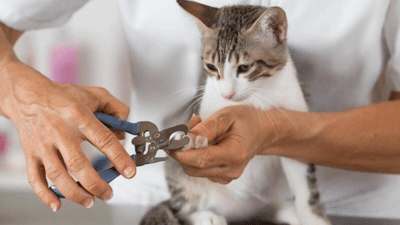
New Delhi: Cats have a reputation for being meticulous groomers. They spend hours licking their coats, cleaning their paws and keeping themselves spotless. But there’s one part of grooming that even the cleanest cat cannot manage on its own—keeping its nails at a healthy length. While many pet parents assume scratching posts are enough, veterinarians say regular nail trimming is an essential part of feline healthcare, especially for indoor cats.
Overgrown claws don’t just leave scratches on furniture. They can curl into a cat’s paw pads, cause pain while walking, increase the risk of broken nails and make accidental scratches more severe. The good news? Nail trimming is simple, quick and stress-free when done correctly. Whether you’re a first-time cat owner or have been living with felines for years, here’s a complete guide on why, when and how to trim your cat’s nails.
Why do cats need nail trimming?Unlike humans, cats continuously grow new nail layers. As the outer sheath wears away through scratching, a fresh claw emerges underneath. While scratching posts help remove dead nail sheaths and keep claws healthy, they don’t always shorten the nails enough.
Veterinary experts recommend trimming because it helps:
- Prevent nails from becoming painfully overgrown.
- Reduce the risk of claws curling into the paw pads.
- Lower the chances of nails snagging on carpets, blankets or furniture.
- Protect owners and other pets from accidental scratches.
- Minimise damage to sofas, curtains and wooden furniture.
- Improve comfort, especially in senior cats or those with arthritis that scratch less frequently.
There’s no one-size-fits-all schedule, but most veterinarians recommend:
- Indoor cats: Every 2-4 weeks.
- Very active outdoor cats: Only as needed after checking nail length.
- Kittens: Around every 2 weeks while they are learning to tolerate grooming.
- Older cats: Often every 2-3 weeks because nails may grow faster and wear down less.
A simple test: if you hear your cat’s nails clicking on the floor or notice claws catching on blankets or carpets, it’s probably time for a trim.
What you’ll need before you beginKeep the process simple with:
- Cat-specific nail clippers or scissor-style trimmers
- A towel (if your cat tends to wriggle)
- Treats for positive reinforcement
- Styptic powder or cornstarch in case you accidentally nick the nail’s blood supply
Avoid using large dog nail clippers, as they may crush or split delicate feline nails.
Step-by-step: How to trim your cat’s nails safelyStep 1: Choose the right moment
Try trimming after your cat has eaten, played or woken from a nap. A relaxed cat is far easier to handle than one full of energy.
Step 2: Gently expose the claw
Hold your cat’s paw and softly press the pad. The claw will extend naturally.
Step 3: Identify the “quick”
Inside each nail is a pink area called the quick, which contains nerves and blood vessels. Only trim the sharp transparent tip and stay well away from the pink section.
Step 4: Clip only the tip
Remove just the curved hook at the end of the claw. There’s no need to make the nail extremely short.
Step 5: Reward immediately
Offer treats, praise or playtime after each successful trim. This helps your cat build positive associations with nail care.
What if you accidentally cut the quickEven experienced groomers occasionally nick the quick.
If it happens:
- Stay calm.
- Apply styptic powder or cornstarch to stop the bleeding.
- Comfort your cat and pause the session if needed.
- Contact your veterinarian if bleeding doesn’t stop after several minutes or the injury appears severe.
Many nail-trimming mishaps happen because owners rush the process.
Avoid these common errors:
- Cutting too much nail.
- Trying to trim all four paws in one sitting if your cat is stressed.
- Using blunt or oversized clippers.
- Restraining the cat too forcefully.
- Punishing your cat for resisting.
If your cat becomes anxious, trim one or two nails at a time over several days instead.
Tips to make nail trimming easierSmall changes can make a big difference.
- Start when your cat is young.
- Handle your cat’s paws daily so touching them becomes normal.
- Use treats before and after trimming.
- Keep sessions under five minutes.
- Ask another person to distract your cat with a lickable treat.
- Stay calm, cats often pick up on human anxiety.
Consistency matters more than speed.
Can scratching posts replace nail trimming?No.
Scratching posts are important because they help cats stretch, exercise muscles and remove dead nail sheaths. However, they don’t reliably keep nails short enough.
Experts recommend using scratching posts alongside, not instead of, regular nail trims.
For most cats, nail trimming isn’t a cosmetic routine—it’s preventive healthcare. And the earlier it becomes part of their routine, the easier it is for both pets and owners.
-
Air India, AI Express planes come face-to-face on same runway at Mumbai airport

-
HP: Cloudburst hits Kullu’s Garsa Shilanala; wet spell to continue till Jul 13

-
Gurugram submerged: Road cave-ins, unending traffic jams add to woes; corporates advised WFH

-
Bengaluru police defend whistleblower's arrest in daycare abuse case

-
How ageing affects our eyes