
The journey home after a match is often when many athletes recall the game, where they replay every mistake made in their minds. For many parents, this might feel like an ideal time to discuss the missed chances, tactical errors, or what could have gone better in the game; however, psychology suggests that resisting the urge to critique their performance immediately after a competition might work as a way to strengthen a child’s motivation rather than weaken their competitive spirit. A comprehensive systematic review found that supportive, autonomy-focused parenting consistently promotes healthier motivation in young minds, while excessive criticism might undermine young athletes' self-confidence, enjoyment, and long-term participation in the sport.
Positive support matters more than immediate criticism
The review published in Frontiers in Psychology analysed 29 empirical studies to examine how parents influence the motivation of young athletes. It is worth noting that across multiple motivational theories, researchers found that children benefit the most when parents encourage, emotionally support them and create a learning-focused environment instead of pressurising them for positive outcomes. The researchers concluded that parenting styles promoting autonomy, understanding, and positive parent-child relationships were consistently linked to stronger motivation, improved persistence, and enjoyment of the sport. Meanwhile, controlling behaviours centred on pressure, criticism, and constant evaluation showed poorer motivational outcomes among the young athletes.
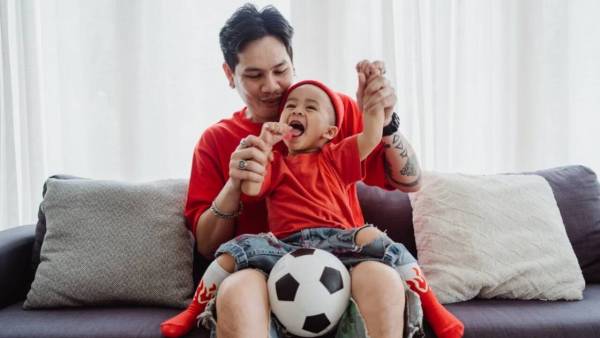
Although the review published in Frontiers in Psychology does not specifically focus on the conversations in the car ride home after a match, sports psychologists increasingly identify the immediate post-match period as one of the most emotionally sensitive moments for young athletes. analysing conversations between parents and children in British tennis, researchers found that children often disengage when parents initiate immediate critical reviews after a match. Researchers observed that conversations become more constructive and fruitful when children choose to initiate discussions about their own performance or when parents highlight positive aspects of their performance before offering critical feedback .
Pressure may induce compliance but not lasting motivation
The systematic review found that children are more likely to remain committed to sports when they genuinely feel enjoyment while playing, rather than to take part in it to satisfy parental expectations. Drawing attention to Self-Determination Theory, researchers explain that young athletes thrive when psychological needs like autonomy (the feeling of having control of their choices), competence (believing they can improve), and relatedness (feeling emotionally supported by their parents). Therefore, excessive criticism immediately after the game might frustrate these needs and can gradually reduce their motivation over time.
The review also found that moderate parental involvement, such as offering small praises, attending their children’s competitions, and showing them understanding, is consistently associated with positive psychological outcomes. Thus, children whose parents focus on learning, making effort, and enjoyment rather than solely focusing on winning are more likely to develop better self-confidence, resilience, and long-term motivation for the sport. Therefore, a criticism-free journey home should not be viewed as lowering expectations but rather as allowing children time to process their emotions before discussing performance to preserve their motivation that will continue to help them improve.
-
Air India, AI Express planes come face-to-face on same runway at Mumbai airport

-
HP: Cloudburst hits Kullu’s Garsa Shilanala; wet spell to continue till Jul 13

-
Gurugram submerged: Road cave-ins, unending traffic jams add to woes; corporates advised WFH

-
Bengaluru police defend whistleblower's arrest in daycare abuse case

-
How ageing affects our eyes