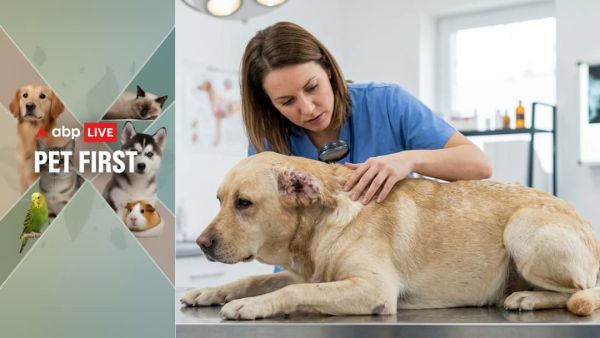
A pet's skin and coat are among the clearest indicators of its overall health. Just as in humans, the skin is often the first organ to show signs that something is wrong inside the body. Nutritional deficiencies, hormonal imbalances, allergies, parasites, and even systemic diseases can all leave visible changes on the skin. Since pets cannot communicate their discomfort, keeping a close eye on their skin and coat is essential for detecting health issues early.
Skin Disorders Are More Common Than You Think
According to Dhanu Roy, Founder of Right4Paws, veterinary data suggests that 20–25% of clinical visits for dogs and cats are related to dermatological problems, making skin disorders one of the most common reasons pet parents visit a veterinarian. In India, the number is often even higher due to factors such as the tropical climate, parasite infestations, inconsistent diets, and environmental exposure. Veterinary hospitals across the country frequently diagnose skin infections, infestations, and allergy-related dermatitis in companion animals.
Hidden Diseases Can Show Up On The Skin
Many skin conditions are symptoms of deeper health concerns rather than isolated problems. Chronic itching, recurring skin infections, or persistent dermatitis in cats may point to allergies or systemic illnesses. In dogs, hormonal disorders such as Cushing's disease can cause thinning skin, excessive hair loss, and repeated infections. Liver and kidney diseases may also affect skin and coat quality, resulting in dryness, dullness, dermatitis, or poor hair growth. These visible changes can provide valuable clues about a pet's internal health.
How To Protect Your Pet's Skin Health
Persistent itching, flaky skin, excessive shedding, or a dull coat should never be dismissed as minor issues. These signs may indicate an underlying medical condition that requires attention. A balanced diet, regular grooming, parasite control, and routine veterinary check-ups all play an important role in maintaining healthy skin. Instead of treating only the visible symptoms, identifying and addressing the root cause can help prevent more serious health complications and keep your pet healthy in the long run.
Disclaimer: The information provided in this article is intended for general informational purposes only. It is not a substitute for professional veterinary advice, diagnosis, or treatment. Always consult a qualified veterinarian regarding your pet’s health, diet, or any medical concerns
-
New Tax Regime: Keep these 8 salary-related points in mind before opting for the new tax regime..

-
No health insurance? No worries: Here is how senior citizens can get a relief of up to ₹50,000 on medical expenses..

-
Big update for those claiming HRA! Refund could get stuck if 'second address' is not provided in the ITR form; know the new rule..

-
EPF Interest Credit: PF account holders are in luck! 8.25% interest is now credited to their accounts..

-
CBSE Class 10 Result 2026 (Second Board): Delay in second board exam results; find out the latest update on the results..