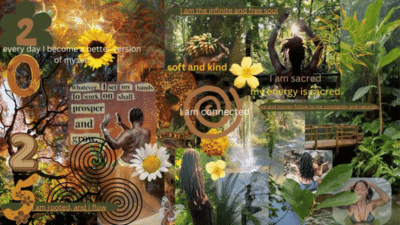
New Delhi: You wake up to sunlight filtering through linen curtains. A ceramic mug of matcha sits neatly beside a stack of books with colour-coordinated spines. Your breakfast is served on handcrafted crockery, your desk is lined with dried flowers and candles, and every corner of your room looks like it belongs on a Pinterest board. This isn’t the set of a lifestyle photoshoot. It’s the life millions of Gen Z are trying to create.
From bedrooms and wardrobes to coffee orders, travel itineraries and even grocery lists, young people are increasingly designing their lives around aesthetics once confined to Pinterest mood boards. The phenomenon—popularly dubbed the ‘Pinterestification of life’ – is fast becoming one of Gen Z’s defining cultural shifts, blurring the line between inspiration and reality.
Once seen as a digital scrapbook for DIY enthusiasts and wedding planners, Pinterest has evolved into something much bigger: a platform shaping how an entire generation dresses, decorates, studies, travels and imagines the ideal version of themselves.
Not just scrolling, but scripting a lifestyleIf Instagram encouraged people to showcase their lives and TikTok taught them to perform for the algorithm, Pinterest is where Gen Z goes to plan the life they want to live.
Unlike other social media platforms that revolve around likes, comments and followers, Pinterest functions as a visual search engine. Users create boards filled with ideas, from capsule wardrobes and cosy reading nooks to dream vacations, skincare routines and productivity hacks, without the pressure of social validation.
The platform’s appeal has surged among younger audiences. Pinterest says Gen Z now makes up nearly half of its global monthly users, with many turning to the app not simply for inspiration, but to explore identities, aspirations and personal style.
“It’s less about posting and more about becoming,” is how many digital culture observers describe Gen Z’s relationship with the platform.
A quiet shift away from algorithm fatigue
The rise of Pinterestification has also fuelled an explosion of internet aesthetics.
There’s the ‘Clean Girl’, with slick buns, gold hoops and minimalist beauty. The ‘Cottagecore’ enthusiast romanticises countryside living through floral dresses and homemade bread. ‘Dark Academia’ celebrates tweed blazers, libraries and rainy afternoons, while ‘Coastal Grandmother’, ‘Tomato Girl Summer’, ‘Vanilla Girl’ and dozens of other aesthetics continue to dominate online conversations.
For Gen Z, these aren’t just fashion trends—they’re identities.
Brands, meanwhile, have quickly caught on.
Fashion labels no longer market clothes—they market entire lifestyles. Home décor companies sell “Pinterest-worthy” interiors. Cafés design spaces with neutral colour palettes, oversized mirrors and dried flowers, knowing customers are just as likely to photograph the space as they are to enjoy their meal.
Even travel has become increasingly aesthetic-led, with destinations often chosen because they resemble a Pinterest board.
The pressure behind the perfect pictureBut while Pinterestification celebrates creativity, experts warn it also has a less glamorous side.
The desire to make every corner of life aesthetically pleasing can quietly turn ordinary experiences into performance.
A messy room becomes a source of guilt. Productivity feels incomplete without colour-coded planners. Cooking becomes less about nourishment and more about presentation. Leisure, too, risks becoming another item on a perfectly curated checklist.
Psychologists have long argued that constant exposure to idealised lifestyles can encourage comparison, fuel unnecessary consumption and leave people feeling that their everyday lives fall short of an impossible visual standard.
Yet dismissing Pinterestification as mere vanity would miss the bigger picture.
For many Gen Z users navigating economic uncertainty, burnout and digital exhaustion, creating a cosy bedroom, maintaining a journal or building a carefully curated morning routine offers something increasingly rare—a sense of control.
The appeal lies not just in looking good online, but in making everyday life feel more intentional, comforting and meaningful.
Perhaps that explains why Pinterestification continues to resonate.
-
Ram Temple Donation Row: SIT Finds 70 Suspicious CCTV Incidents, Recovers Rs 81 Lakh

-
Senegal's power struggle: Referendum to decide on constitutional reform

-
NoBroker's Future Is Beyond Home Listings, But Will Profits Follow?

-
Zero-sugar diet could come with risks, says study of mice

-
Microsoft Announces Major Job Cuts: What This Means for Xbox and the Gaming Industry