
The Trump administration has consistently expressed its intention to reshape the U.S. automotive sector, emphasising the need to increase domestic manufacturing. On Wednesday, it announced that the United States–Mexico–Canada Agreement (USMCA) will not continue in its current form beyond 2036, paving the way for renewed trade discussions with neighbouring countries. While all three nations aim to create fairer trade terms, Ford’s Chief Executive Officer Jim Farley has already shared his perspective on what the next arrangement should look like. In particular, he is advocating for measures that ensure a fair competitive environment for automakers that produce vehicles within the United States.
As reported by CNBC, Farley firmly believes that carmakers manufacturing their vehicles in the U.S. deserve recognition and benefits for their contribution to domestic industry. He also argued that automakers not meeting such standards should face certain penalties to maintain competitiveness, especially among American brands.
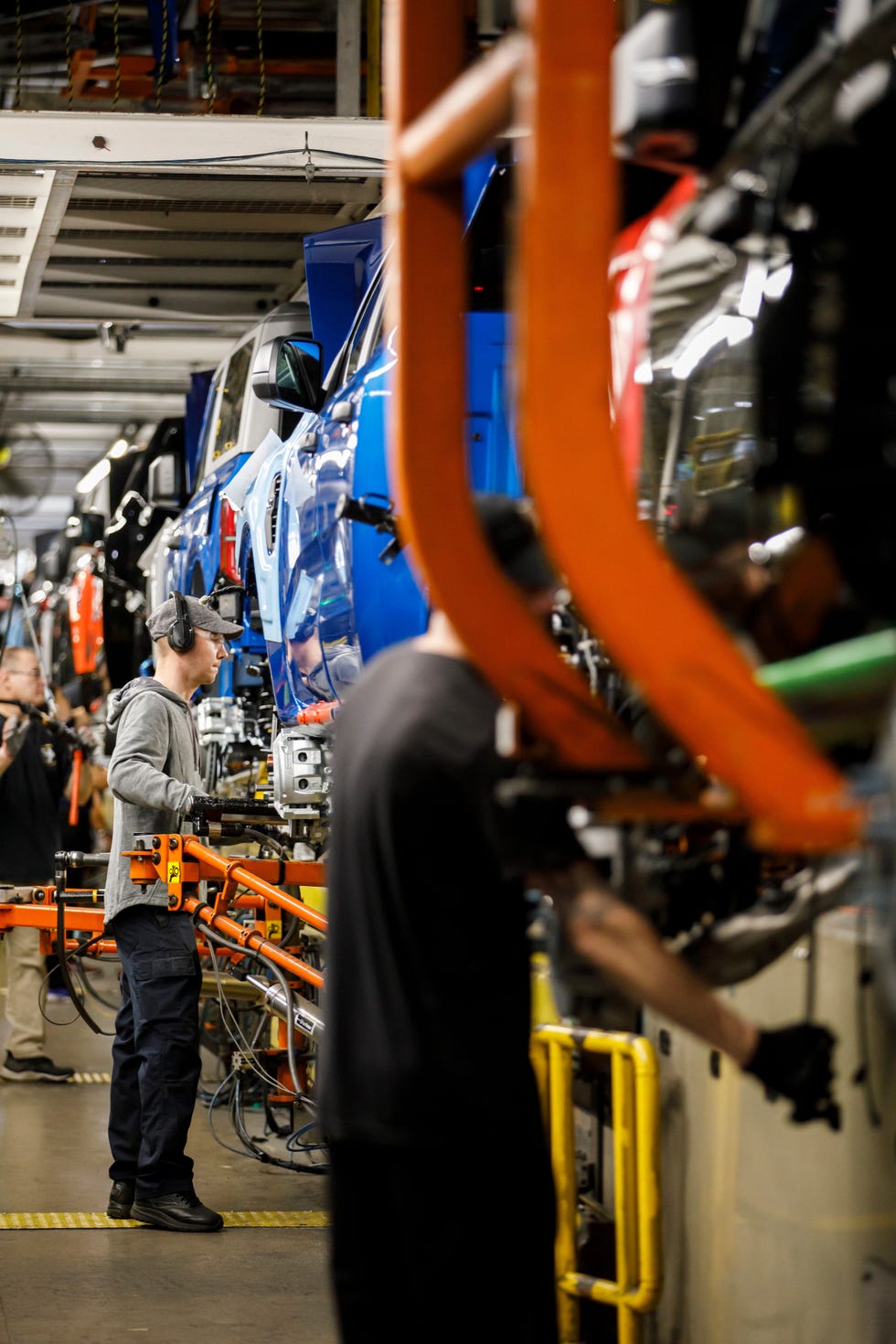
“It’s essential that any new trade pact makes it easier, not harder, for U.S. manufacturers to compete against firms importing vehicles from Japan, South Korea, and other global markets,” Farley told CNBC. “That’s what matters most to us.”
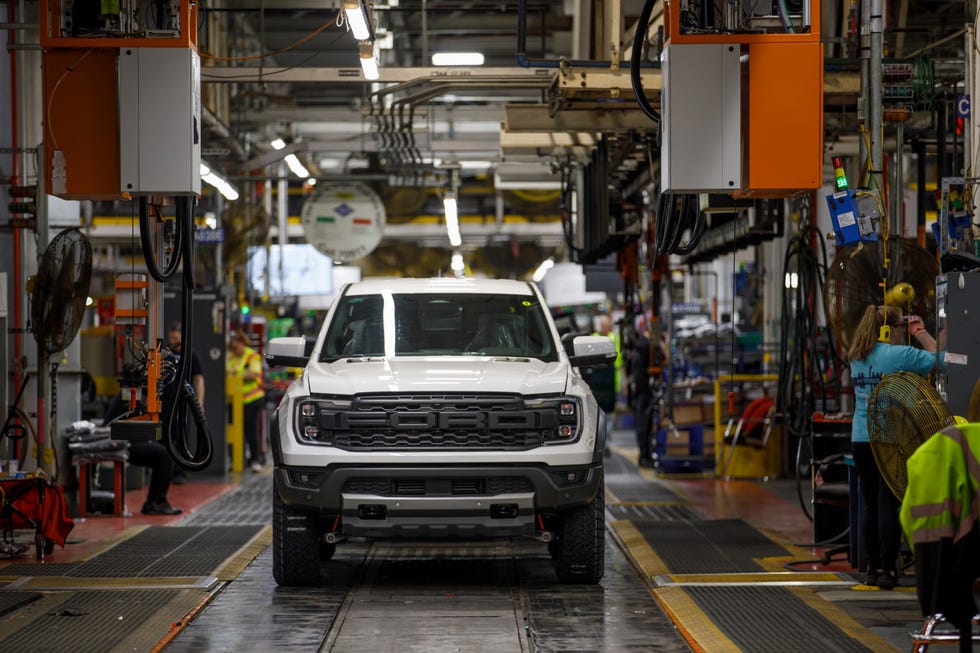
In 2025, Ford produced over 2 million vehicles in the United States, accounting for roughly 80 percent of its total domestic sales — the highest percentage among all automakers. Nevertheless, Ford still imported around 378,000 vehicles during the same period. Models such as the Bronco Sport, Maverick, and Mustang Mach-E are manufactured in Ford’s Mexican plants and shipped to the U.S., resulting in an approximate 6:1 ratio of U.S.-built to imported vehicles.
“Ford leads U.S. automobile production with the highest number of domestically built vehicles. More importantly, we import very few, export the most, and employ the greatest number of UAW [union] workers here,” said Farley. “We take great pride, especially in the balance between what we manufacture here and what we bring in.”
Farley’s remarks may be interpreted as a subtle critique directed toward a key domestic competitor. General Motors, which led U.S. sales last year, is also the country’s second-largest importer of vehicles after Toyota. In 2025, GM imported about 1.17 million vehicles, including popular models such as the Chevrolet Trax, Chevrolet Trailblazer, Buick Envista, Buick Encore GX, Chevrolet Silverado, GMC Sierra, Chevrolet Equinox, Chevrolet Blazer, and GMC Terrain. The smaller SUVs are produced in South Korea, while the larger trucks and SUVs come from Mexico. These imported models represented 41 percent of GM’s total U.S. sales in 2025. Farley believes that importing large volumes of vehicles made in markets with significantly lower labour costs should face stricter limitations to promote fairer competition.
With the USMCA set to expire after 2036, the U.S., Mexico, and Canada will need to engage in complex negotiations. Many within the automotive industry are urging for a continued trilateral trade framework, though the terms of this future agreement will play a decisive role in shaping the direction of North America’s car industry in the years ahead.
-
Dubai Workshop Transforms BMW M240i into a Dakar-Inspired Off-Road Sports Car
-
Rünge Cars Develops a Flat-8 Engine: A Legacy Spanning Generations

-
Christian Lundgaard Claims Pole at Mid-Ohio as Alex Palou’s Five-Race Streak Ends; McLaren Locks Out Front Row

-
Australian Prime Minister apologizes over podcast comment

-
A Japanese saved ₹ 4 crores by living a monk-like life, but now he is regretting, said – “What is the meaning of such a life…”