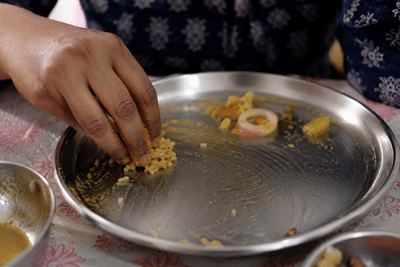
We've all known someone who refuses to leave even a single grain of rice behind. Whether it's the last spoonful of dal, the final bite of dessert or the vegetables they weren't particularly excited about, their plate is always spotless by the end of the meal. For some, it's about manners. For others, it's a habit so deeply ingrained they barely think about it. But could this everyday behaviour say something about the way a person thinks? Psychologists say the answer is both yes and no. Finishing everything on your plate doesn't reveal a fixed personality type, but it can offer clues about your upbringing, beliefs and relationship with food. More often than not, it's the result of years of learned behaviour shaped by family traditions, cultural values and early childhood experiences rather than an inborn trait. Here's what psychology suggests.
They were probably taught that wasting food is unacceptable
For many people, the habit begins long before adulthood. Childhood messages like "finish your food" or "there are children who don't have enough to eat" become deeply embedded over time. Eventually, cleaning the plate stops being a conscious decision and becomes automatic. have long shown that repeated family rules often become lifelong habits, particularly when they're reinforced during childhood. People who always finish their meals may therefore be carrying forward values of gratitude and respect rather than simply eating because they're hungry.
They tend to feel responsible for completing what they start

People who dislike leaving food unfinished often extend that mindset beyond the dinner table. While psychology doesn't say they're automatically more conscientious, studies do show that many individuals develop a strong internal sense of responsibility through repeated routines. To them, leaving food behind can feel oddly similar to leaving a task incomplete. Finishing what's in front of them simply feels right.
They often follow habits instead of hunger
One of the most fascinating findings in eating psychology is that our stomach isn't always what decides when we stop eating. Research from behavioural nutrition shows people frequently rely on external cues such as portion size, social expectations or simply what's left on the plate. If food is there, many people instinctively finish it, even when they're already full.

This doesn't necessarily indicate poor self-control. It simply highlights how powerful learned routines can become.
They may care deeply about avoiding waste
Not everyone empties their plate because they're still hungry. Sometimes it's because throwing food away feels emotionally uncomfortable. Researchers studying food waste have found that many adults consciously finish meals because they value the time, effort and resources that went into preparing them. In households where food was never taken for granted, wasting even a small portion often carries emotional weight. This is especially common among people who grew up hearing stories about scarcity or watching parents carefully manage household expenses.
They appreciate structure and routine
Cleaning the plate every single meal often reflects consistency. People who enjoy routines usually find comfort in completing familiar patterns, whether that's making the bed every morning, organising their workspace or finishing every bite before leaving the table. Psychologists caution against treating this as a personality rule, but everyday habits often mirror the structure people naturally prefer in other parts of life.
They may see food as a gift rather than a commodity
Across many Indian households and cultures around the world, food is more than nutrition. It represents care, effort and gratitude. Someone who always finishes their meal may simply be showing appreciation for the person who cooked it. For them, leaving food behind can feel disrespectful rather than practical. That emotional connection with meals often has little to do with appetite and everything to do with values passed down through generations.
The spotless plate isn't really about personality. It's about stories, habits and lessons carried from childhood into adulthood. Psychology doesn't suggest that people who finish every meal belong to one personality type. Instead, the behaviour usually reflects a blend of upbringing, cultural beliefs, family expectations and personal values. At the same time, nutrition experts encourage balancing those values with mindful eating . Appreciating food doesn't have to mean ignoring your body's signals. Perhaps the healthiest habit isn't always finishing everything on your plate. It's knowing when you're eating out of gratitude and when you're simply eating because you've always believed you should.
-
Open Kannepalli pump, demands KTR; Uttam says not before 2027
-
High Command to decide Cabinet expansion, says CM DK Shivakumar

-
Farewell Joymala, sleep well: Kaziranga’s iconic elephant dies

-
Released on Friday, gone by Sunday: Diljit Dosanjh’s Satluj

-
'Those Looting Hindus Are In Power': Thackeray Targets BJP Over Ram Temple Donation Row